
Andalusia Must-see Attractions
In this Andalusia Must-See Attractions, we will show you some of the central Andalusian pearls and why you should visit

This Charming guide to Barcelona will reveal the essence of this magnificent city, its significant attractions, valuable tips, and some good-to-know secrets. So, if you are interested, feel free to find out more.
Barcelona is Spain’s second-largest city. It is a lively cultural and commercial center known for its unique architecture. Barcelona has essential art museums, such as the Picasso Museum. It hosts many festivals, providing something new to discover on every visit. The city has nine UNESCO World Heritage Sites, many designed by the celebrated architect Antoni Gaudí.
As a trendy destination, Barcelona offers various shopping options. You can find luxury boutiques on Paseo de Gracia and unique shops in the Born district. Walking through the city, you can enjoy famous sights like the Sagrada Familia and Parc Güell and relax at the beach or in cafés.
You can also explore diverse dining options, including high-end restaurants and traditional Catalan dishes.
Let’s dig a bit deeper now, shall we?

Our website includes affiliate links. So, remember that we may receive commissions when you click our links and make purchases. Please read our legal disclaimer document for more information about our Affiliate disclaimer and other disclaimers like the Fair-Use disclaimer.
Barcelona is the most visited city in Spain. It is famous for its lively culture, unique buildings, and great food. Here are some highlights:
First, you should see the Sagrada Família, Antoni Gaudí’s famous work and a key landmark. Secondly, the Gothic Quarter (Barri Gòtic) has charming streets, historic buildings, and lively squares like Plaça Reial and Plaça Sant Jaume.
Barcelona has a 5km coastline with nine beaches, including the upscale Sant Sebastià and the lively Somorrostro. Montjuïc, located south of the city, has the Olympic Park and beautiful gardens.
Don’t miss trying tapas before dinner. You can enjoy local dishes with wine or cava. The nightlife is exciting, especially in Esquerra de L’Eixample, the center of the city’s LGBTIQ+ scene—many bars and clubs, such as Punto BCN and Candy Darling.
For a quieter experience, visit the Pedralbes Monastery. This 14th-century site offers a peaceful atmosphere and an impressive art collection.
Please read our related article for more information about what to see and do in Barcelona.

©GetYourGuide
Barcelona offers many activities and great day trips. Highlights include Montserrat, Girona, and the Dalí Museum in Figueres.
Montserrat, located about 56 kilometers from Barcelona, is famous for its stunning natural beauty and the Montserrat Monastery. Visitors can take a cable car to enjoy fantastic views of the countryside. Figueres is 138 kilometers away and is home to the Dalí Museum, showcasing a unique collection of Salvador Dalí’s artwork. You can also explore medieval villages like Besalú (131 km), Rupit (106 km), and Vic (71 km). These historic towns are rich in charm and culture. Tarragona, just 97 kilometers from Barcelona, is known for its Roman history and ancient amphitheater.
You can also visit Tossa de Mar, which offers beautiful beaches and a medieval town. It is perfect for a relaxing day.
Lastly, visit Sitges, which is only 39 kilometers from Barcelona and features lovely beaches, cozy cafes, and boutiques, making it an excellent spot for a tranquil escape.
The best time to visit Barcelona is from May to June, when the average daily temperature is around 20 degrees Celsius, and there are many festivals. While spring may seem like a brilliant idea for avoiding crowds, April sees regular showers, which may hinder your sightseeing programs (most of Barcelona’s top attractions are outside). Ultimately, remember that there will be tourist crowds no matter what time of the year you visit. Barcelona is the most visited city in Spain.
Barcelona is one of Europe’s top ten leisure destinations and has a long-standing tradition in business tourism. For this reason, it has exceptional connections with the rest of Spain and the world.
Depending on where you are, you can choose between a plane, train, car, boat, and many other means of transport. So, you can either start searching for the best flight deals by clicking on the following link or try to discover more about the best ways to get to the city in our related articles about How to get to Barcelona.
With over 47 million passengers, Barcelona Airport is the second busiest airport in Spain after Madrid Barajas Airport. Consequently, it has excellent connections with the city. So, if you want to learn more, please read our article.
Mobility in Barcelona and its metropolitan area is easy due to an ever-more sustainable public transport network – metro, trams, and buses. Furthermore, the city also has a public bike hire scheme and more than 200 km of bike lanes. A fleet of taxis includes hybrid and electric vehicles and cabs running on natural gas. It also provides environmentally friendly electric cars for hire. You’re sure to find the means of transport that best suits your needs.
Barcelona is not as expensive as some other major European cities. However, it is always a good idea to plan your travel and not spend more than is strictly necessary.
The capital of Catalonia offers travelers a wide range of hotel accommodations, from luxury hotels to hostels and one-star hotels.
Choosing the right neighborhood, or barri, in Barcelona is the key to unlocking the perfect city break. Each district has a distinct personality, from the labyrinthine alleys of the ancient city to the elegant avenues of the modernist areas. Whether you’re a first-time visitor, a couple seeking romantic charm, or a family looking for a relaxed vibe, this guide will help you find your perfect home base.
Firstly, the Gothic Quarter is the historic center of Barcelona. It has narrow cobblestone streets, hidden squares, and impressive 14th-century cathedrals. This lively area is full of life, with guided tours and shoppers during the day and busy tapas bars at night.
Furthermore, you are close to Las Ramblas, the beautiful Plaça Reial, the Picasso Museum, and the busy Boqueria Market. You can find a variety of places to stay, including boutique hotels in old buildings and affordable hostels.
Its charm and central location draw many visitors, so that the streets can be crowded and noisy. Be sure to keep an eye on your belongings.
Click here to find the best deals.
Eixample is great for architecture lovers, for those who want to shop for luxury items, are traveling with family, or are couples looking for a nice place to stay. Moreover, this neighborhood, built in the 19th century, has wide streets and beautiful Modernista buildings, including famous works by Gaudí like La Sagrada Familia and Casa Batlló.
The area feels upscale and organized, making it perfect for relaxing shopping trips along Passeig de Gràcia, which is similar to the Champs-Élysées in Paris. That’s why you can find a range of places to stay, from luxury hotels with rooftop pools to spacious apartments ideal for families.
Eixample is large, with “Left” Eixample (Esquerra) known for its lively LGBTQ+ scene and “Right” Eixample (Dreta) being more residential and upscale. More importantly for travelers, the metro system makes it easy to get around this significant area.
El Born is a lively neighborhood great for couples, culture lovers, food enthusiasts, and fashion fans. It has narrow streets and historic charm, similar to the Gothic Quarter, but feels trendier and more artistic. Here, you can explore independent shops, artisan workshops, and popular restaurants.
During the day, it attracts museum visitors and shoppers. At night, it becomes a lively nightlife spot with creative cocktail bars and tapas restaurants that stay open late. Essential places to visit include the Picasso Museum, the Basílica de Santa Maria del Mar, and the El Born Centre de Cultura i Memòria, along with the beautiful Parc de la Ciutadella.
Ultimately, the area has stylish boutique hotels and modern apartments that mix rustic stone with contemporary design. Be aware that it can get noisy and crowded, especially on weekends. You’ll enjoy wandering the streets, but be prepared to walk a lot.
Gràcia is an excellent choice for travelers wanting a local village feel, families, and those looking for a relaxed, bohemian atmosphere. This area, once an independent town, has a strong regional identity. It features charming, sunlit squares and a network of small streets. The vibe is community-centered, with families gathering in the squares while kids play and friends meet for vermut (vermouth). You’ll find organic food shops, quirky indie theaters, and local designer workshops.
Gràcia is also close to Park Güell and Casa Vicens, two famous works by Gaudí. Accommodation options include cozy guesthouses and locally run rental apartments, but there are few large hotels. Gràcia is less central than other neighborhoods, so it takes 15-20 minutes by metro to reach the Gothic Quarter or the beach. Many enjoy this distance from the tourist crowds, which is a key advantage of staying here.
This part of Barcelona is excellent for beach lovers and seafood fans. It has a relaxed, vacation vibe. Once a fishing village, its narrow streets and salty air feel different from the busy city center, but it’s only a short walk away. People enjoy jogging on the boardwalk and having long seafood lunches.
The neighborhood is bright and lively, blending old charm with a modern beach scene. The beach is right in front of you, and you can easily reach Port Vell, the aquarium, and the cable car to Montjuïc. Furthermore, most places to stay are holiday apartments, with a few luxury hotels like the W. Expect large crowds and noise in peak season. Watch out for tourist traps on the main street and look for authentic seafood paella and tapas in the side streets instead.
El Raval is the most eclectic barrio in Barcelona, located just across from the Gothic Quarter. Once a working-class area, it is now a vibrant, multicultural hub known for artists’ studios, skate shops, and cultural institutions like the MACBA and CCCB. The vibe is edgy and energetic, with vintage stores alongside kebab shops and trendy bars following old bodegas.
More importantly, this area is popular with budget travelers and offers cool hostels and affordable hotels. While it has improved significantly, some streets may feel sketchy at night, making it less ideal for nervous solo travelers or families. Nevertheless, it provides a fascinating glimpse into a different side of the city.
When choosing an ideal accommodation, we advise you to consider your personal preferences. What do you like and prefer, and what kind of traveler are you? For instance, accommodation prices can be cheaper on the outskirts of a city; however, you will spend more time and money on transport. That’s why our guide recommends choosing your room wisely and carefully. The next thing we want to stress is safety. We constantly check which areas are safe to live in and which aren’t. After all, we are all traveling to have fun and not to be afraid to leave our rooms.
When talking about the type of travelers, we usually mean the following: Are you a solo traveler, LGBT+ traveler, a traveler with a family, etc.? For instance, if you are a solo traveler, consider hostels or other accommodations with organized social activity. But if you are an LGBT+ traveler, you will most likely want to stay in gay-friendly areas.
Lastly, when choosing your accommodation, always read the comments, owners’ reviews, etc. This will make your vacations much more pleasing and effortless.
In the city, you will find many fascinating squares and side alleys lined with buzzing restaurants and some of the best tapas bars on the planet.
So once you’ve worked up an appetite wandering the Park Guell, lost yourself in the tangle of the Gothic Quarter, or admiring Sagrada Familia, settle down to try these Barcelona foods and drinks: Paella, Crema Catalana, Cava (wine), or Sangria, to name a few.
If you want to find out more about the best local food in Barcelona, please read our article.
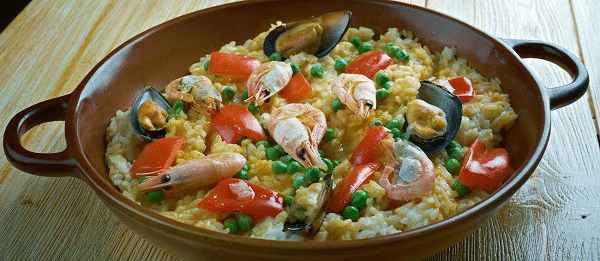
©Paella Catalana
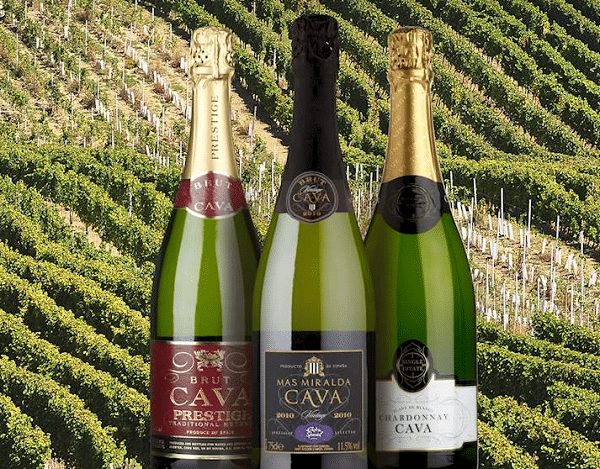
©Cava
We will present some of the most popular food and wine tours here. So, if you are a first-timer or are still not ready to organize a time alone, please check out the following excursions, which will serve you good company and excellent food.
Note: We can learn more about local cuisine and Barcelona’s restaurants in our related article.
Yes, Barcelona is a safe place to visit by international standards. Public transport, metro, and taxis are also generally violent-crime-free and reliable for residents and tourists.
However, Barcelona is a big city. And it’s a well-known tourist destination, which means visitors should take certain precautions. Locals recommend:
So, what do you think? Barcelona is a truly fantastic city. It offers everything under the sun: delicious cuisine, warm people, magnificent architecture, and lovely beaches. But now, we’d like to hear from you. Please share this and much more in the comments below.
Note: If you are part of the LGBTQ community, we suggest checking out our gay guide to Barcelona.
In this Andalusia Must-See Attractions, we will show you some of the central Andalusian pearls and why you should visit
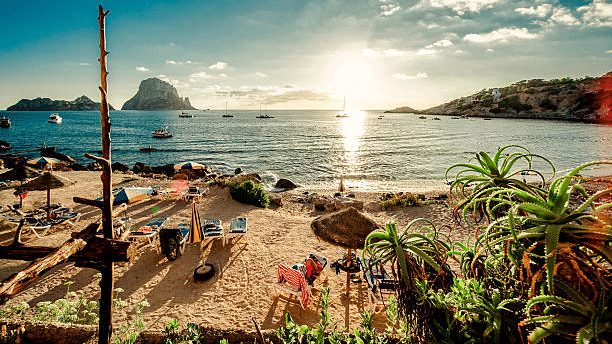
Ibiza has been constantly among the most popular Mediterranean destinations for the past few decades. But many know it only

This is your Definitive Madrid Guide, the lively capital of Spain. Madrid is a great European destination. It is famous