
France is a dream destination for wine lovers, with diverse regions offering a rich tapestry of flavors, history, and culture. Here is our French Wine Tasting Guide to help you plan your perfect French wine tasting adventure.

©Winalist.com
Our website includes affiliate links. So, remember that we may receive commissions when you click our links and make purchases. Please read our legal disclaimer document for more information about our Affiliate disclaimer and other disclaimers like the Fair-Use disclaimer.
Introduction of the French Wine Tasting Guide
France, a name synonymous with art, culture, and gastronomy, holds a special place in the hearts of wine lovers. From the sun-drenched vineyards of Provence to the misty cellars of Champagne, the country offers an unparalleled journey into the world of winemaking. This guide is your passport to navigating the diverse and often complex landscape of French wine. It’s a journey not just about what’s in the bottle, but about the rich history, unique landscapes, and passionate people behind every vintage. Whether you are a seasoned oenophile or taking your first steps into the world of wine, this guide will help you uncork the secrets of France’s most celebrated regions, empowering you to sip, savor, and appreciate the art of French winetasting like a true local.
Note: You could also be interested in our Italian Wine Tasting Guide.
The Best Wine Sorts and Where to Drink Them
France is a treasure trove for wine lovers, with a vast array of excellent grape varieties and regions, each offering a unique experience. When it comes to the “best” sorts, it often depends on personal taste. Still, particular grapes are iconic and represent the pinnacle of French winemaking.
©Getty
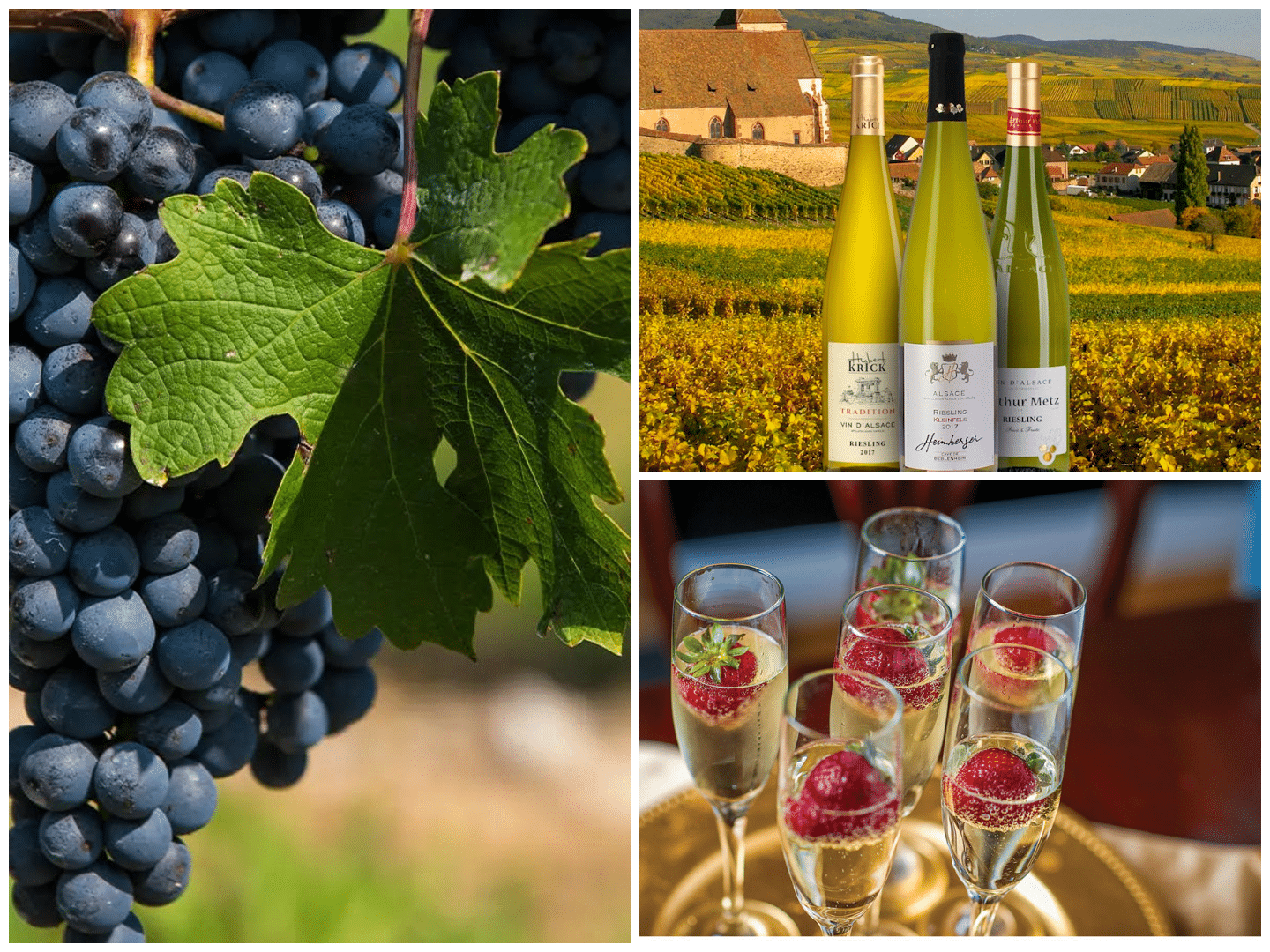
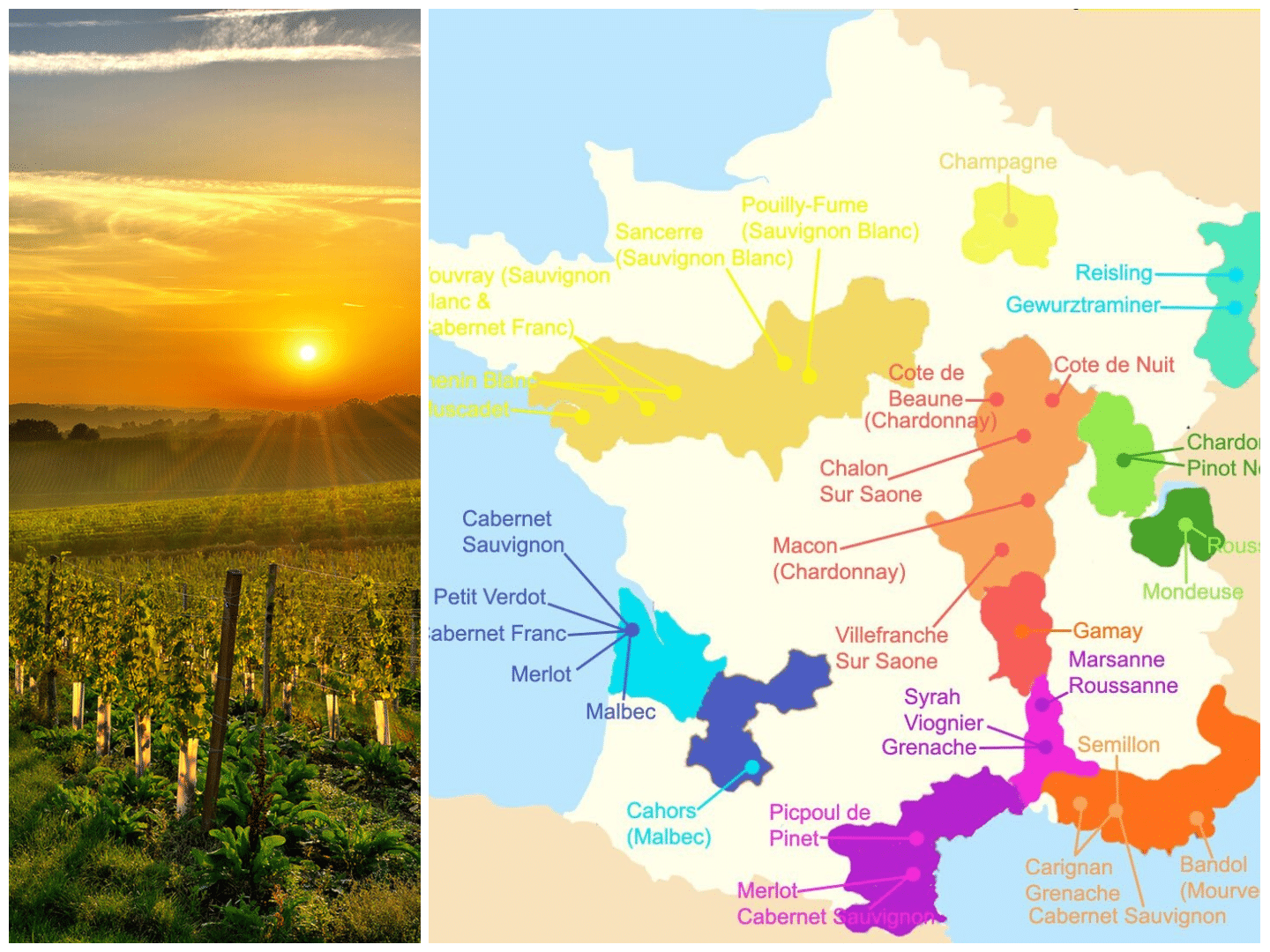
- Cabernet Sauvignon: This powerful red grape is the king of Bordeaux’s Left Bank. Here, it creates full-bodied, structured wines with notes of blackcurrant, cedar, and tobacco, built for aging. Visit the appellations of Médoc (including Pauillac, Margaux, and Saint-Julien) to taste some of the world’s most prestigious wines.
- Merlot: While often blended with Cabernet in Bordeaux, Merlot is the star of the region’s Right Bank, particularly in Saint-Émilion and Pomerol. It produces softer, more approachable reds with flavors of plum, cherry, and chocolate.
- Pinot Noir: This is the noble red grape of Burgundy. In this region, Pinot Noir is all about expressing the terroir, or sense of place. From the powerful and complex wines of the Côte de Nuits (think Gevrey-Chambertin and Vosne-Romanée) to the more elegant expressions of the Côte de Beaune, it’s a journey of discovery.
- Chardonnay: The world’s most popular white grape finds its purest expression in Burgundy. The mineral-driven, crisp Chardonnays of Chablis are a stark contrast to the rich, oak-aged versions from the Côte de Beaune (Puligny-Montrachet, Meursault).
- Sauvignon Blanc: This aromatic white grape is a hallmark of the Loire Valley. Visit the towns of Sancerre and Pouilly-Fumé to taste their signature wines, known for their flinty, citrus, and gooseberry notes.
- Riesling: For a taste of crisp, dry, and mineral-laden white wines, head to Alsace. Alsatian Riesling is distinct from its German counterpart, offering powerful acidity and aromas of citrus and petrol. It is a fantastic food-pairing wine.
- Syrah: The star red grape of the Northern Rhône Valley. Here, it produces deeply colored, peppery wines with flavors of dark fruit and savory notes of smoked meat. Look for wines from appellations like Côte-Rôtie and Hermitage.
- Grenache: Dominant in the Southern Rhône Valley, Grenache is the backbone of famous blends like Châteauneuf-du-Pape. It brings a juicy, ripe red fruit character and a high alcohol content, often blended with Syrah and Mourvèdre.
- And of course – Champagne: Champagne is a world-famous sparkling wine from the Champagne region of France. Its history is a fascinating story of accidental discovery, deliberate perfection, and marketing genius that transformed a “faulty” still wine into a global symbol of luxury and celebration.
The Best Regions for French Wine Tasting
1. Bordeaux
The heart of French winemaking, Bordeaux is a global powerhouse known for its bold, red blends. The region is divided by the Gironde estuary into the “Left Bank” and “Right Bank,” each with its own style.
- What to Drink: Left Bank wines (Médoc, Graves) are Cabernet Sauvignon-dominant, known for their structure and aging potential. Right Bank wines (Saint-Émilion, Pomerol) are Merlot-dominant, offering softer, fruitier profiles. Also, try the sweet white wines of Sauternes.
- What to Eat: Bordeaux cuisine is a carnivore’s delight. Pair your reds with Bœuf de Bazas (a local breed of beef), Entrecôte à la Bordelaise (steak with a red wine sauce), or duck confit. For a taste of the sea, indulge in fresh oysters from Arcachon Bay and the local delicacy, lamprey. Don’t miss the city’s signature pastry, the Canelé, with its crispy, caramelized shell and soft, rum-and-vanilla-flavored center.
- Where to Sleep: The city of Bordeaux offers a central base with a wide range of hotels. For a more immersive experience, consider staying in a charming village like Saint-Émilion or a château in the countryside.
- How to Get There and Around: Bordeaux has an international airport (BOD) and is well-connected to Paris via high-speed train (TGV). Renting a car is the best way to explore the vineyards, as many châteaux are not accessible by public transport.
2. Burgundy (Bourgogne)
Synonymous with elegance and terroir-driven wines, Burgundy is a region of quiet prestige. It’s famous for its single-varietal wines, where the focus is on the specific plot of land (climat) the grapes come from.
- What to Drink: Pinot Noir for the reds and Chardonnay for the whites are the stars of the show. The Côte de Nuits is famous for its powerful Pinot Noirs, while the Côte de Beaune produces exceptional Chardonnays. Don’t forget to try the lean, unoaked Chardonnay from Chablis.
- What to Eat: The local cuisine perfectly complements the wines. Enjoy rich dishes like Boeuf Bourguignon (beef stew cooked in red wine), Coq au Vin, or Escargots de Bourgogne (snails in garlic butter). You can also enjoy local cheeses like Époisses.
- Where to Sleep: The picturesque town of Beaune is considered the heart of the region and is an ideal base. Dijon, known for its mustard, also serves as a gateway to the vineyards.
- How to Get There and Around: Dijon and Beaune are easily reached from Paris by TGV. For a flexible tour of the villages and vineyards, a car is recommended. You can also rent a bike and cycle along the scenic Route des Grands Crus.
3. Champagne
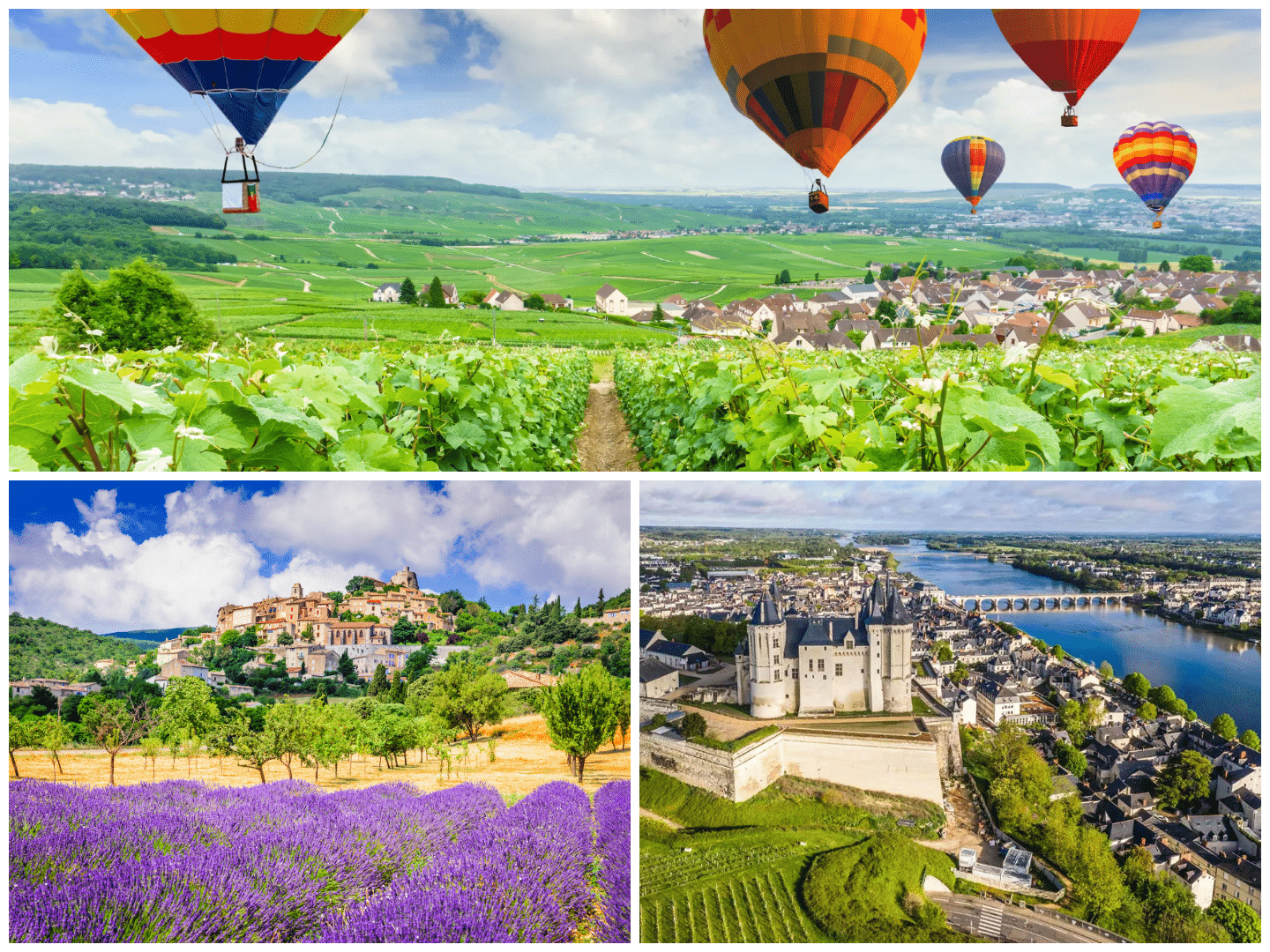
The land of sparkling elegance, Champagne is a must-visit for anyone who loves bubbly. The vineyards here are a UNESCO World Heritage site, and the region offers a blend of grand Champagne houses and small, family-run producers.
- What to Drink: While it’s all about Champagne, you can explore different styles, including Blanc de Blancs (100% Chardonnay), Blanc de Noirs (100% Pinot Noir and/or Meunier), and Rosé Champagne.
- What to Eat: The regional cuisine is often rich and savory. Look for Jambon de Reims (Reims ham), Chaource cheese, and various pâtés and terrines.
- Where to Sleep: The two primary hubs are Reims and Épernay. Reims offers grand city living with magnificent Champagne houses. At the same time, Épernay, located on the “Avenue de Champagne,” is a quieter base with a more concentrated feel.
- How to Get There and Around: Reims is a quick and easy TGV ride from Paris. Once there, you can explore the leading Champagne houses in the cities on foot or with a guided tour. A car helps visit smaller producers and villages in the countryside.
4. Loire Valley
Known as the “Garden of France,” the Loire Valley is famous for its stunning châteaux and a diverse range of wines, from crisp whites to elegant reds and sparkling wines.
- What to Drink: The variety is endless. Try crisp Sauvignon Blanc from Sancerre and Pouilly-Fumé, elegant Chenin Blanc from Vouvray and Saumur, and Cabernet Franc from Chinon and Bourgueil. Don’t miss the sparkling Crémant de Loire and the sweet wines of Vouvray and Côteaux du Layon.
- What to Eat: Enjoy fresh goat cheeses like Crottin de Chavignol, freshwater fish from the Loire River, and classic pastries like Tarte Tatin.
- Where to Sleep: Stay in charming towns like Amboise, Tours, or Saumur to be close to the major châteaux and vineyards.
- How to Get There and Around: The Loire Valley is easily accessible from Paris by train to cities like Tours or Angers. Renting a car is highly recommended to explore the sprawling region and its many châteaux and wineries.
©Adobe
5. Alsace
Nestled in the northeastern corner of France, Alsace offers a unique blend of French and German cultures. It is celebrated for its aromatic and dry white wines.
- What to Drink: The noble grapes of the region are Riesling, Gewürztraminer, Pinot Gris, and Pinot Blanc. Look for crisp, aromatic, and often dry expressions of these varietals.
- What to Eat: Pair the white wines with local dishes like Choucroute Garnie (sauerkraut with sausages and pork), Tarte Flambée (a thin pizza-like dish), and local cheeses like Munster.
- Where to Sleep: The fairytale towns of Strasbourg and Colmar are perfect bases. Strasbourg has a central train station, and Colmar is the starting point for the scenic Alsace Wine Route.
- How to Get There and Around: Strasbourg is a central hub with TGV connections to Paris. The region is compact, and you can get around by a mix of trains, buses, and bikes. A car is also a great option to explore the small, half-timbered villages at your own pace.
6. Provence
Rosé wine has found its true home in Provence. While other regions produce rosé, Provence is the only region in France that dedicates almost all of its production to it. Provençal rosés are not just a summer drink; they are a centuries-old tradition.
- Characteristics: Provençal rosés are celebrated for their pale, salmon-pink color and their dry, crisp, and fresh character. They are often a blend of several grapes, with Grenache, Cinsault, and Syrah being the most common. The flavors are delicate, with notes of strawberry, melon, citrus zest, and a hint of white flowers or rose petals, often with a subtle minerality.
- Terroir and Climate: The region’s Mediterranean climate—with hot, dry summers and the cooling Mistral wind—is crucial. The wind keeps the vines dry and healthy, which is essential for preserving the grapes’ delicate aromas and acidity. The diverse soils, a mix of limestone, clay, and schist, also contribute to the wines’ complexity and elegance.
- Tasting in Provence: A wine tour in Provence is a delightful experience. You can visit the many vineyards, from large estates to small, family-run operations. Many wineries offer tastings and tours that explain the specific process of making rosé, which is a key part of the experience. The leading appellations to explore are Côtes de Provence, Coteaux d’Aix-en-Provence, and Coteaux Varois en Provence. The tasting rooms often have beautiful views of the sun-drenched vineyards and olive groves. The best way to enjoy the wine is, of course, with some local cuisine, such as goat cheese, seafood, and salads.
Note: You can also read our related article about the French Wine tasting in Provence.
Recommended French Wine Routes
Wine routes in France are well-signposted tourist trails that guide you through picturesque vineyards and charming villages, making for a perfect road trip.
The Alsace Wine Route (Route des Vins d’Alsace): Arguably the most famous and picturesque wine road in France, this route stretches over 170 km from Marlenheim in the north to Thann in the south. It winds through a collection of idyllic, half-timbered villages with geranium-filled window boxes.
Recommendation: Drive this route at a leisurely pace, stopping in towns like Ribeauvillé, Riquewihr, and Eguisheim. These villages are exceptionally well-preserved and offer countless opportunities for tastings at small, family-owned wineries. The scenery, with the Vosges mountains as a backdrop, is simply stunning.
The Route des Grands Crus (Burgundy): Often called the “Champs-Élysées of Burgundy,” this 60 km route runs from Dijon to Santenay. It’s an essential journey for any serious wine enthusiast. The route passes through the most famous and expensive vineyards in the world.
Recommendation: This route is best explored by car or even by bicycle. Stop in villages with legendary names like Gevrey-Chambertin, Vougeot, and Meursault. While the grand cru vineyards themselves are often not open to the public, the small towns offer numerous caves (cellars) where you can taste and buy wines. The Bordeaux Wine Route (Médoc and Saint-Émilion): Bordeaux doesn’t have a single, official “wine road” like Alsace or Burgundy, but its central wine regions function as routes. The “Route des Châteaux” in the Médoc takes you past legendary estates like Château Margaux and Château Latour. In Saint-Émilion, a drive through the medieval town and its surrounding vineyards is a must.
Recommendation: To get the most out of Bordeaux, book appointments at châteaux in advance. Many of the most famous properties are not open for walk-in tastings. Still, guided tours and tasting experiences are widely available. A full-day tour that combines the Médoc and Saint-Émilion regions is an excellent way to see the contrast between the Left and Right Banks.
Which winery to choose?
France offers a spectrum of wine experiences, from ancient estates to cutting-edge producers. Here is a guide to some of the most notable wineries in various categories.
The Oldest Wineries
It can be challenging to pinpoint the absolute oldest, as many monasteries and family estates have been producing wine for centuries, but commercial operations are a different matter.
Château de Goulaine (Loire Valley)
This estate is widely considered one of the oldest family-owned businesses in Europe, still in operation, with winemaking history dating back to the year 1000. Located in the Loire Valley, the château is one of the few remaining that produce wine within the region.
Dopff Au Moulin (Alsace)
Established in 1574, this family-owned winery has been a driving force in Alsatian winemaking for over eleven generations. They are particularly famous for their sparkling Crémant d’Alsace and were pioneers in bottling Alsatian wines.
The Best & Most Expensive Wineries
These categories often overlap, as the most celebrated and highly-rated wineries command the highest prices.
Domaine de la Romanée-Conti (DRC) (Burgundy)
Often considered the pinnacle of fine wine, DRC produces some of the most expensive and sought-after Pinot Noir in the world. A visit is by invitation only, making it an exclusive and almost mythical experience.
Château Lafite Rothschild (Bordeaux)
A First Growth classified estate from 1855, Château Lafite is a legend in Bordeaux. Its wines are known for their elegance, complexity, and incredible aging potential. A visit to the estate is a pilgrimage for many wine lovers.
Château d’Yquem (Bordeaux)
This is the only Premier Cru Supérieur of the 1855 classification and is the reference for the world’s finest sweet white wines. Located in Sauternes, its wines are made from botrytized (noble rot) grapes, resulting in a rich, honeyed, and intensely complex wine that can age for a century or more.
The Most Educational Wineries
While almost any visit to a winery offers a learning experience, some are particularly well-suited for those looking to deepen their knowledge.
La Cité du Vin (Bordeaux)
Not a winery but a massive, state-of-the-art museum dedicated to wine culture and civilization. It offers an immersive and interactive journey through the history of wine across the globe. It’s an essential first stop for any wine lover visiting Bordeaux.
Champagne Houses (Champagne)
Large Champagne houses like Moët & Chandon or Veuve Clicquot in Épernay and Reims offer comprehensive and professional tours of their vast underground cellars, known as caves. These tours provide an excellent overview of the méthode champenoise and the history of the region.
Château de la Crée (Burgundy)
Located in the heart of Burgundy, this winery offers detailed tours that explain the concept of terroir and the region’s complex classification system. It’s a great place to understand the nuances of Pinot Noir and Chardonnay.
Wineries with the Most Unique Production Methods
French winemaking is steeped in tradition, but some producers are innovating or reviving ancient techniques.
Biodynamic and Organic Producers
Many winemakers are moving towards more natural methods. Château Pontet-Canet in Bordeaux, for instance, is a prominent example of a classified growth that practices biodynamic farming, using horses instead of tractors to work the land. In the Loire, Domaine Huet is famous for its biodynamic Chenin Blanc.
Aging in Unique Vessels
While oak barrels are traditional, some producers are experimenting with alternative aging vessels to create a different style of wine. Château de Pibarnon in Bandol, Provence, is known for using large, egg-shaped concrete vats. The concrete allows for micro-oxygenation without imparting the flavors of oak.
Submarine Aging
While a very niche practice, some producers have experimented with aging wine underwater. Amphoris in Bordeaux is one such company that has used this method to age a few of its wines in the Bay of Arcachon. The constant temperature and pressure create a unique environment that impacts the aging process.
When planning your trip, consider your interests and budget. While a bottle from a First Growth Bordeaux might be out of reach, many smaller, family-run estates offer fantastic wines and a warm, personal experience that can be just as memorable.
How to plan your wine tasting holidays?
Planning a wine tasting trip to France is about more than just picking a destination; it’s about timing your visit to the rhythms of the vineyards, understanding the cultural pairings, and securing your spot at the best venues. Here’s how to plan your perfect experience.
When to Go on a Wine Tasting Vacation or Tour
The “best” time to visit French wine regions depends entirely on what kind of experience you’re looking for.
- Spring (April to June): This is a beautiful time to visit. The vineyards are beginning to come alive with buds and flowers, and the weather is pleasant. There are fewer tourists than in the summer, which means you’ll have a more intimate experience with winemakers who are not as busy. This is also an excellent time for photography, as the landscapes are lush and vibrant.
- Summer (July to August): This is the high season. The weather is warm, the days are long, and the atmosphere is festive. Many wineries and châteaux host special events. However, this is also the most crowded time, so expect higher prices and a need to book everything well in advance—especially if you’re targeting prestigious estates. The heat can also be a factor, so a refreshing glass of rosé or a crisp white wine might be your best friend.
- Autumn (September to October): This is harvest season (vendanges), the most exciting and busiest time of the year. The vineyards are buzzing with activity, and you may get a chance to see the winemaking process in action. However, many winemakers are extremely busy and may have less time for visitors. Some smaller wineries may even be closed for a few days during the harvest. The autumn colors, however, are absolutely breathtaking and offer a spectacular visual experience.
- Winter (November to March): This is the quietest season. The vineyards are bare, but the winemakers have more time for visitors. You’ll get a very personal, in-depth look at the cellar and the winemaking process. This is the perfect time for a truly immersive and educational experience without the crowds. It can be cold, but a roaring fire and a glass of red wine in a cozy tasting room are a delightful antidote.
Where to Book the Finest Wine Tasting Tours
For a truly luxurious and hassle-free experience, it’s best to work with a specialized wine tour company that can arrange exclusive access to top-tier wineries and provide expert guidance.
Luxury & Bespoke Tours:
- Cellar Tours: Known for creating bespoke, private, chauffeured tours. They offer exclusive access to world-renowned estates, Michelin-starred dining, and luxury accommodations. They can craft a personalized itinerary in regions across France.
- The Bordeaux Concierge: This service specializes in high-end, custom-made tours of Bordeaux. They can arrange everything from private lunches at châteaux to transportation and hotel bookings, giving you a seamless, VIP experience.
- Wine Paths: This company offers a curated selection of luxury wine tours and experiences. You can choose from pre-designed itineraries or work with their local experts to create a custom trip that includes private tastings, fine dining, and cultural excursions.
Booking Direct and Group Tours:
- Local Tour Operators: For a more flexible approach, you can book day tours through local operators in each region. Websites like Viator and GetYourGuide list a wide range of options, from small-group tours to private guided experiences.
- Winalist: This is an excellent online platform that allows you to book directly with wineries across France. You can filter by region, type of experience (e.g., tasting, tour, lunch), and price. It’s an excellent tool for a self-guided tour where you handle the logistics yourself.
- Directly with Châteaux/Wineries: For top-tier estates, you’ll often need to book directly on their websites or by contacting their visitor services department via email. This is particularly true for prestigious houses in Bordeaux and Champagne.
What Cheese to Eat While Winetasting
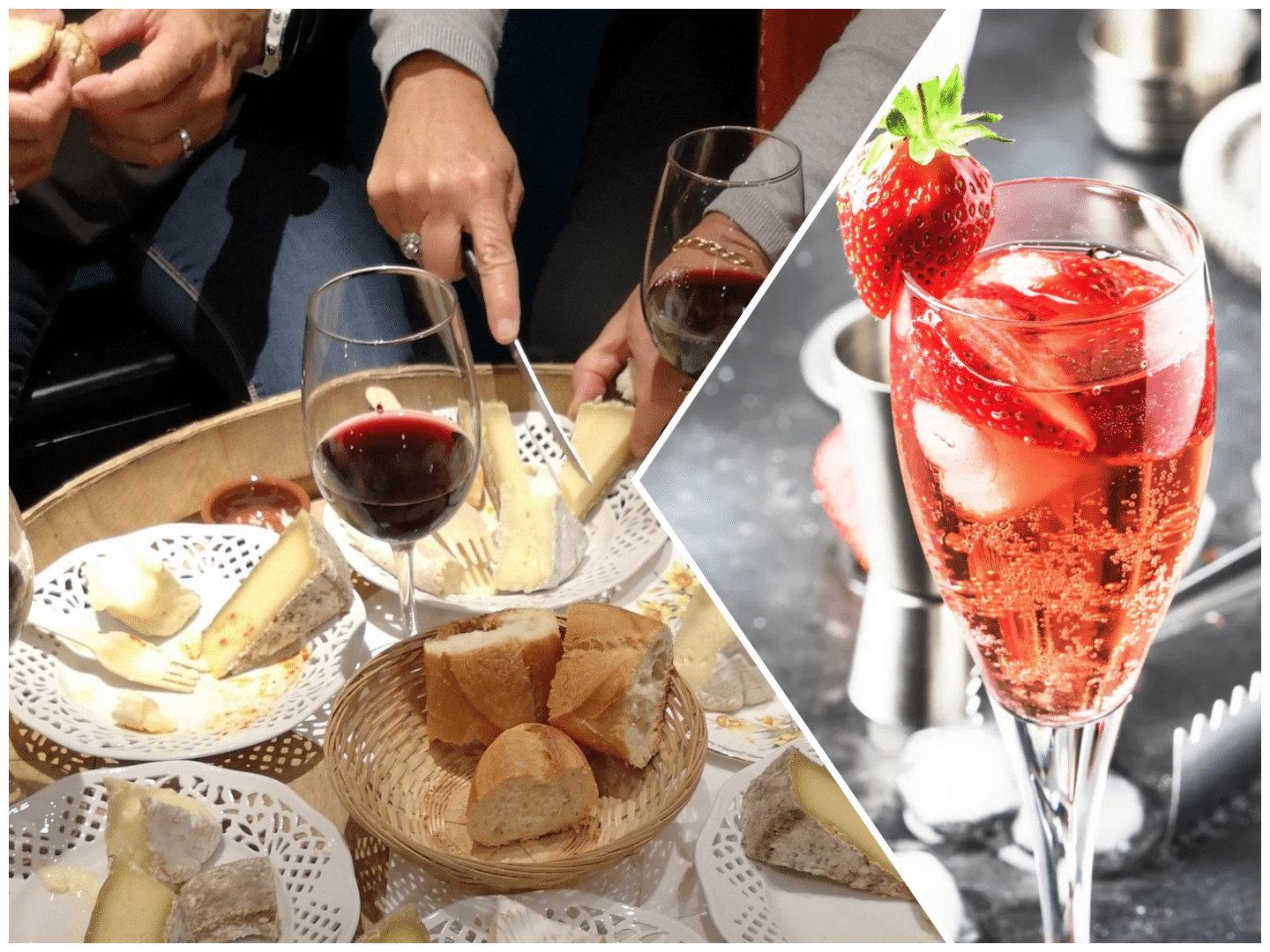
The classic French pairing of cheese and wine is not just a stereotype; it’s a delicious science. The general rule of thumb is to pair regional wine with regional cheese. This is because the flavors and textures have evolved together over centuries, creating a harmonious balance.
Why the Pairing Works:
- Balance: A wine and cheese pairing is all about finding balance. A strong, pungent cheese can easily overwhelm a delicate wine, and vice versa.
- Acidity and Fat: A high-acid white wine can cut through the richness and fat of a creamy cheese, cleansing the palate and making the next bite even more enjoyable.
- Sweet and Salty: The sweetness of a dessert wine, such as a Sauternes, is a fantastic counterpoint to the saltiness of a blue cheese like Roquefort.
©Adobestock
Recommended Pairings:
Loire Valley:
- Wine: Sauvignon Blanc from Sancerre or Pouilly-Fumé.
- Cheese: Goat cheese (chèvre), particularly Crottin de Chavignol. The zesty, grassy notes of the Sauvignon Blanc perfectly complement the tangy, earthy flavors of the cheese.
Bordeaux:
- Wine: A robust red Bordeaux blend (Cabernet Sauvignon/Merlot).
- Cheese: Aged, hard cheeses like Comté or Ossau-Iraty. Their nutty and robust flavors stand up well to the structured tannins in the red wine.
Burgundy:
- Wine: A fruity Pinot Noir.
- Cheese: The famous Époisses de Bourgogne, a pungent, washed-rind cheese. Its strong flavor can overpower many wines, but a young, fruity Pinot Noir can provide a delightful contrast without being overwhelmed.
Alsace:
- Wine: Aromatic Gewürztraminer.
- Cheese: Munster cheese. This pairing is a classic regional match. The rich, spicy, and fragrant notes of the wine beautifully complement the intense, creamy texture of the cheese.
Champagne:
- Wine: Champagne (Blanc de Blancs or Brut).
- Cheese: Brie de Meaux. The high acidity and bubbles of the Champagne cut through the creamy, buttery texture of the Brie, creating a perfect balance.
Helpful Local Tips
- Make Appointments: Many smaller wineries and châteaux in France, especially in regions like Burgundy and Bordeaux, require an appointment for tastings. Don’t assume you can show up.
- Learn a Few Words: A little effort goes a long way. Greet the vintner with a simple “Bonjour,” and a “Merci” or “Au revoir” will be appreciated. “Dégustation” means tasting.
- Pace Yourself: French wine culture is about savoring the experience. Don’t rush. Take your time to “See, Swirl, Sniff, Sip, and Savor” each wine.
- Avoid Driving and Tasting: The legal blood alcohol limit for driving in France is low (0.05%). Consider hiring a driver, taking a guided tour, or relying on taxis to safely enjoy your tastings.
- Don’t “Bake” Your Wine: If you buy wine during the day, don’t leave it in a hot car. The heat can ruin the wine’s flavor. Keep it cool and in the shade, or plan to pick up your purchases at the end of the day.
- Plan for Lunch: Many wineries and rural businesses close for lunch between noon and 2 PM, and this is non-negotiable. Plan your schedule accordingly.
Drinking Etiquette
Navigating wine culture in France can seem daunting, but it’s an art rooted in appreciation and respect. The key is to remember that wine is almost always an accompaniment to food and a shared experience, not just an alcoholic drink. Here’s a breakdown of the key etiquette to follow.
General Drinking Etiquette
- Wait to Drink: This is the most important rule. At a meal or gathering, please do not take your first sip of wine until everyone’s glass is filled and the host has either made a toast or taken their first drink.
- The Toast (Santé!): When toasting, it is customary to say “Santé!” or “À votre santé!” (To your health!). When you clink glasses, make direct eye contact with each person you are toasting with. It’s also considered bad form to cross arms with another person while clinking.
- Pace Yourself: In France, wine is meant to be savored slowly, not consumed quickly. A meal is an unhurried affair, and the wine is part of that. Being visibly intoxicated is not considered a mark of a good time.
- Serving Others: As a guest, it is polite to let the host or a man at the table serve the wine. If you’re the one serving, always fill others’ glasses before your own.
- Refills: If you don’t want more wine, leave a small amount in your glass. This signals to your host or waiter that you are finished. If you empty your glass, it’s an invitation for a refill.
- Wine with Food: Wine is almost always consumed with a meal. Drinking a glass of wine by itself at a cafe at 3 PM is a tell-tale sign of a tourist. The French typically reserve wine for lunch, dinner, or a pre-dinner apéritif.
At a Wine Tasting (Dégustation)
- Book an Appointment: For smaller, family-owned wineries (domaines), it’s highly recommended to call or email in advance to schedule a visit. Many are not open to walk-in visitors.
- The Spitoon: At a formal tasting, you’ll be given a spittoon. It’s perfectly acceptable, and even expected, to spit the wine out after tasting it. This allows you to try multiple wines without becoming inebriated. The point is to taste, not to get drunk.
- Serving Size: The host will pour a small amount of wine, typically one-third full. This allows you to swirl the wine and release its aromas.
The Process: Follow the classic tasting steps:
- See: Look at the wine’s color and clarity by holding the glass up to a light source.
- Swirl: Gently swirl the wine in the glass to aerate it and release its aromas.
- Sniff: Inhale the aromas. Don’t be shy about getting your nose deep into the glass.
- Sip: Take a small sip and let it coat your entire mouth. Consider its texture and flavors before swallowing or spitting.
- Buy a Bottle: Tastings are often free, especially at smaller estates. It is considered polite to buy at least one or two bottles if you enjoyed the wine. This is a sign of appreciation for the host’s time and effort.
- Compliments: A simple “J’aime bien” (I like it) or “C’est délicieux” (It’s delicious) is a perfect and appreciated comment. You are not expected to be a sommelier.
Bringing Wine as a Guest
- Don’t Bring a “Competitor’s” Wine: If your host is from a central wine region like Bordeaux, it can be seen as an insult to bring a wine from a rival region like Burgundy. A neutral gift like Champagne or a dessert is a safer bet.
- No Guarantees: Do not expect the bottle you bring to be opened and served. Your host may have already chosen wines to pair with the meal and will likely save your bottle for another occasion.
- Budget: Avoid bringing a cheap, low-quality bottle. While you don’t need to break the bank, spending a bit more shows respect for the host.
Conclusion
Embarking on a wine tour of France is more than a vacation—it’s an education for the senses and a celebration of life itself. As you travel from the structured Cabernet of Bordeaux to the elegant Pinot Noir of Burgundy, and from the crisp Rosé of Provence to the celebratory bubbles of Champagne, you are not just tasting wine; you are tasting history, terroir, and the soul of a nation. The journey has taught you to appreciate the subtle differences in soil, the unique climate of each valley, and the centuries of tradition poured into every glass. Armed with the knowledge of regional pairings, local etiquette, and insider tips, you are now ready to create your own unforgettable moments. So, raise a glass, make a toast, and continue to explore the endless wonders that French wine has to offer. Santé!
References and sources:
Photo credits:
Feature photo: ©Winalist.com