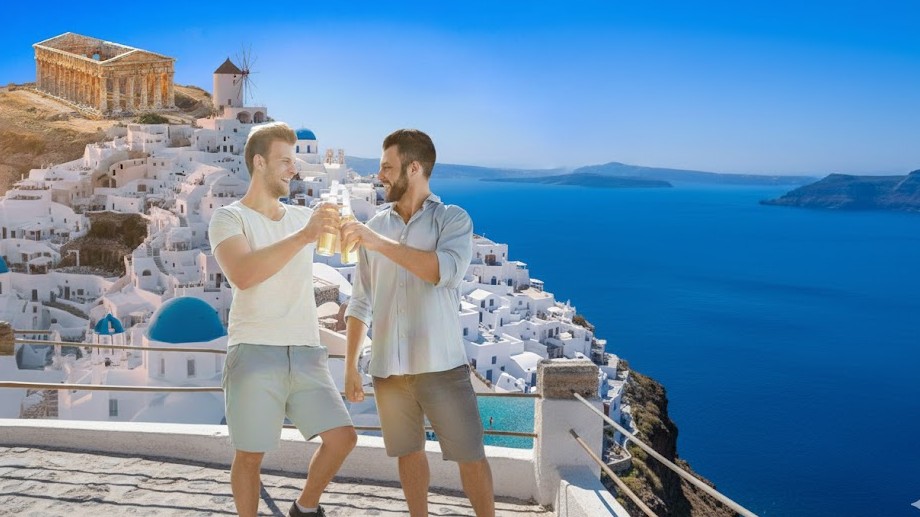
How to book the Top Sightseeing tours in Europe

Explore the best sightseeing tours in Europe with practical tips and advice for solo gay and lesbian travelers. Uncover gay friendly things to do, essential day-trip travel hacks, and LGBTQ recommendations for activities that make your journey safe, memorable, and affirming. Whether you’re searching for top sightseeing tips or queer-friendly advice, this excerpt will guide you toward unforgettable European adventures.
How to book a flight in Europe

Short Intro

Where should you start if you’re traveling alone and queer in Europe? If sightseeing tours in Europe are your goal, let’s dig into the best things to do, the must-see spots, and how to make every experience memorable, safe, and affirming. Curious about local culture, gay friendly things to do in Europe, or LGBTQ+ friendly gems? You’ll find answers and confidence here, along with queer-friendly advice for sightseeing and activities in Europe!

Smart Strategies for Sightseeing Tours in Europe and Daytrips

To see the best of Italy or Greece without burning out, we recommend the “Inside-Outside” strategy for better sightseeing tours in Europe. The “Inside-Outside” strategy means you spend the early part of your day inside museums or galleries—when it’s cooler and less crowded—and save your late afternoons and evenings for exploring outdoor spaces like historic neighborhoods or city parks. This way, you avoid the midday heat and crowds, making your sightseeing more enjoyable and relaxed.
 
Tip: Whenever we’re in Greece, we like to book our tours directly on the spot rather than online. In our experience, prices are usually at least 10% lower, and the agency or its representative is often open to negotiating. This little hack not only saves us money but often leads to a more personal and friendly experience.
 
In places like Madrid or Athens, many major sites offer free entry during the last two hours of operation—a great way to save money for a nice dinner later. For solo gay travel activities in Europe, this timing also helps you experience more local LGBTQ recommendations for activities.

How to Avoid Lines and Crowds

The secret to avoiding lines during sightseeing tours in Europe is simple: Book in advance. For the Uffizi in Florence or the Alhambra in Spain, waiting until you arrive is a recipe for disappointment. We also suggest “Counter-Programming”—visit the most popular sites during typical lunch hours (1:00 PM to 3:00 PM) when many tour groups are heading to restaurants. These sightseeing tips and day-trip travel hacks help queer and solo travelers make the most of their European adventures.

Hiring Your Own Local Guide: Your Trip’s Most Enriching Luxury

If your budget allows, a private guide is the ultimate luxury. In Slovenia, a local guide can take you to hidden caves or private vineyards that aren’t in the guidebooks. For our community seeking gay friendly things to do in Europe, we recommend looking for LGBTQ+ specific guides. Many cities now offer “Queer History” walking tours that reveal the hidden stories of our ancestors that traditional tours overlook. These solo gay travel activities in Europe are both educational and affirming.
 
Tip: We often try to connect with local people during our sightseeing tours in Europe. By reaching out and staying in touch—maybe over a cup of coffee—we make our travels far more authentic. Not only do we have fun hanging out, but we also get the best tips from people who truly know the area.

Making the Most of Bus Sightseeing Tours in Europe

If you find yourself on a “Big-Bus” tour, don’t let the itinerary dictate your happiness. Use the bus for the logistics, but don’t feel pressured to follow the group into every souvenir shop. In places like the Amalfi Coast, a bus is a great way to handle the winding roads, but once you hop off, head in the opposite direction of the crowd to find a quiet corner.

Biking in Europe

Slovenia and parts of Spain are a cyclist’s paradise. Ljubljana is one of the most bike-friendly capitals in the world. When renting a bike, always ask for a lock and a helmet, and be aware that in many European cities, pedestrians have the right of way, but cars may be less patient.

How to Handle Strikes in Europe

Strikes (or sciopero in Italy) are a part of European life. They are usually announced in advance. We recommend checking local news or transit apps 24 hours before any major train or ferry journey. If a strike happens, stay calm—most “essential” services still run during peak commuter hours.

Communicating Like a Local


Leaping over Language Barriers

While English is widely spoken in the tourist hubs of Greece and Spain, learning a few phrases in the local tongue goes a long way. A simple “Dober dan” (Good day) in Slovenia or “Efcharistó” (Thank you) in Greece opens doors and shows respect.
 

Creative Communication & Gestures

When words fail, use your phone! Apps like Google Translate are lifesavers, but don’t underestimate the power of a smile and a shrug. Be careful with gestures, though; in Greece, the “palm out” gesture (the moutza) is actually quite offensive. In Italy, watch the hands—Italians speak an entire secondary language through their fingers.

The Queer “Temporary Local”

To truly travel as a “temporary local,” you need to understand the local queer network. In the context of sightseeing tours in Europe, we explain this network as the visible and invisible connections between social norms, queer-owned businesses, and “safe” public spaces that shape how LGBTQ travelers move through a city. Queer-friendly advice for sightseeing and activities in Europe helps travelers explore confidently and connect with the community.
 
In a city like Barcelona, The Grid is wide and welcoming, meaning you can be your authentic self almost anywhere. In more traditional parts of rural Greece, The Grid might be tighter, requiring us to be more observant of local customs to blend in. By tapping into this network—visiting the local gay bookstore or a queer-run café—we don’t just see the sights; we experience the actual heartbeat of the local community. This is the difference between being a spectator and being a temporary resident.

Getting the best value for your tours is only one half of the equation; we also want to make sure you aren’t overpaying for everything else once you arrive. To help you navigate ‘The Grid’—the complex social and economic layout of a city that often funnels tourists toward the most expensive options—we’ve shared our best advice on Managing Your Travel Money: How to Spend Like a Local. It’s the best way to ensure your budget goes toward experiences, not unnecessary markups.

Related posts

Take a look at

Photo credits:

About Charming Vibes 4u

“Travel Smarter: Safe steps, smart spends, and a suitcase lighter than your worries—everything you need to make the ‘Old Continent’ your playground.”


Recommended guides for Your Trip-Planning

Scroll to Top