
Discover everything you need to know before traveling to Greece—from must-know safety and health tips to the best local advice. Here is our complete guide on how to plan your trip to Greece.

Everything Starts with an Idea
We always begin our journey right on our phones. It’s a wonderful tool for scouting those “unnatural” neon-blue waters that make the Greek coast so famous—the kind of blue that looks like a filter but is even more vibrant in person.
Before you book a single thing, decide on the length of your trip. We recommend at least 10–14 days. Greece is much larger than it looks on a map, and you’ll want time to truly soak in the siga-siga (slowly-slowly) lifestyle without feeling like you are constantly racing for a ferry. Ask yourself, do you crave lingering café mornings or checklist sightseeing? This can help personalize your timeframe to match your travel pace.
Sample Itineraries:
Sample Itinerary 1:
- Day 1-3: Athens – Explore the Acropolis, Plaka, and Monastiraki. Enjoy the nightlife in Gazi.
- Day 4-6: Santorini – Visit the famous sunset at Oia, the volcanic beaches, and small local wineries.
- Day 7-9: Mykonos – Relax at the beautiful beaches, and experience the vibrant nightlife in Mykonos Town.
- Day 10-12: Crete – Explore the historic sites in Heraklion, hike the Samaria Gorge, and unwind in Chania.
- Day 13-14: Nafplio – Visit ancient ruins in Mycenae and relax by the seaside.
Sample Itinerary 2:
- Day 1-3: Athens – Discover the rich history and vibrant culture.
- Day 4-5: Delphi – Visit the archaeological site and the charming town.
- Day 6-7: Meteora – Explore the picturesque monasteries and stunning landscapes.
- Day 8-10: Zakynthos – Relax at Navagio Beach and enjoy a boat tour to the Blue Caves.
- Day 11-14: Corfu – Wander through the Old Town, and soak in the sun on its beautiful beaches.
Research, Safety & Documentation: Staying Safe in Greece
Research is more than looking at pretty photos. It helps us know the rules before we arrive in Greece.
The 2026 Entry Rules
If we travel from outside the EU—like the US, UK, or Canada—we need to know two big changes for 2026.
- The ETIAS: You now need a digital travel authorization. It costs €20, is valid for 3 years, and must be done online before you fly.
- EES Biometrics: Be prepared for digital fingerprinting and facial scans at the border—this is the new standard across the EU.
- Passport: We must have a passport valid for at least 3 months after we leave Greece.
Gay Safety & Hubs in Greece
Greece is a safe and friendly country. Same-sex marriage is now legal, and gay travelers feel welcome. In lively spots like Gazi in Athens or Mykonos Town, we see public affection all the time. However, in smaller villages or near churches, we act with respect and keep things low-key. This helps everyone feel comfortable and keeps the local spirit alive.
Money, Mosquitoes, and Staying Safe Outdoors
- Cash is King: Greece loves cash. While cards work in many places, having cash helps us at local tavernas and for the Climate Resilience Fee. We carry about €50 in small bills. This covers daily meals and small cash-only surprises. It also makes paying quick and easy.
- The Mosquito Rule: Greek mosquitoes are tough. We always buy bug spray at a local pharmacy. Specifically, we ask for a Greek brand like ‘FrezyDerm.’ Local sprays work best.
Water Safety Tip: In big Greek cities, the tap water is usually safe to drink. However, on smaller islands, we use bottled water. This helps us avoid stomach issues and keeps us healthy during our trip.
When to Book?
We always book our transport first. If you’re coming from Europe, check for direct flights to islands like Crete, Rhodes, or Corfu to bypass the busy Athens airport.
The Booking Timeline
- 6–9 months in advance: For peak summer trips (July/August).
- 3–4 months in advance: For the shoulder season (May/June or September/October). This is our favorite time to go because the weather is perfect, but the crowds are thinner.
The “Stay + Breakfast” Rule
We only book stays with breakfast included. In Greece, the joy is found in exploring. Do not tie yourself to a hotel dinner plan; the best meals are found in the small village tavernas, where you can eat for half the price and twice the flavor.
Insurance Truths
We strongly recommend cancellation insurance. Things happen, and Greek ferries can be unpredictable. Before booking a ferry, research operators and their cancellation policies. Booking ferries online in advance is advised for popular routes, especially during peak seasons, but always check the refund policies in case of delays or cancellations. For dealing with delays, be flexible with your itinerary and consider overnight stays at your departure or arrival ports. If you’re already in Greece, purchasing tickets directly at local travel agencies or ports can sometimes offer better flexibility and deals. If you encounter a delay, calmly approach the ticket office and say: ‘Can you assist me with the options available due to the ferry delay?’ Empowering yourself with this simple line can help navigate such situations smoothly.
When it comes to car rentals, skip the insurance on third-party platforms. Instead, buy it directly at the agency desk in Greece. It resolves any claims instantly on the spot, saving you a massive headache later.
Learn the Language
Greeks are incredibly hospitable, and even though they speak great English, they love it when you try their language. There’s a certain magic in exchanging a ‘kalimera’ with a local shop owner, often rewarded with a warm smile or even a complimentary treat, like a piece of sweet baklava. Such gestures make language learning a delightful cultural exchange.
- Kalimera: Good morning (use until 2 PM).
- Efcharisto: Thank you.
- Yamas!: Cheers!
- Siga-Siga: Slowly-slowly
How to Get In and Move Around
Getting In
Fly into Athens International (ATH) for the mainland or direct to island airports for a faster start to your vacation. The second tip is valid only for EU visitors.
Moving Around
- Athens: The Metro is efficient and cheap, with tickets costing only €1.20. In comparison, a taxi ride across the city can cost around €15, making the Metro a great value option. Don’t bother with a car in the city. For added convenience, buses and taxis are also widely available, with taxis offering a comfortable ride and the bus network as a budget-friendly option for reaching more remote areas.
- The Islands: We suggest renting a scooter first. They are easier to park and handle on narrow streets.
- The Parking Nightmare: If you do rent a car, be warned: parking is almost impossible in island centers. Look for “Municipal Parking” lots outside the town and walk in.
- The Roundabout Rule: Greeks drive differently! Unless there is a specific sign, priority goes to the car entering the roundabout, not the one already inside. Always approach them with caution.
Go and Enjoy Your Trip!
Remember, for the best turquoise water, choose the Ionian Islands (Paxos, Kefalonia, Zante). For that iconic white-and-blue architecture, choose the Cyclades (Santorini, Mykonos). If you’re seeking quieter experiences, consider heading to islands like Folegandros or Naxos in the Cyclades for a more laid-back vibe. Alternatively, the island of Ithaca offers serene landscapes and a rich mythological history, perfect for travelers desiring a unique getaway.
Our Final Honest Tip: If you want a boat tour, consider going directly to the port the evening before rather than booking online, as some operators offer in-person bookings and private trip options, according to G&G Hydra Cruises. As you close this guide, let your curiosity lead the way with a question: Which hidden cove will you discover when spontaneity takes over instead of an online plan? Embrace the adventure and see where your next unforgettable moment in Greece awaits.
Related posts
Take a look at
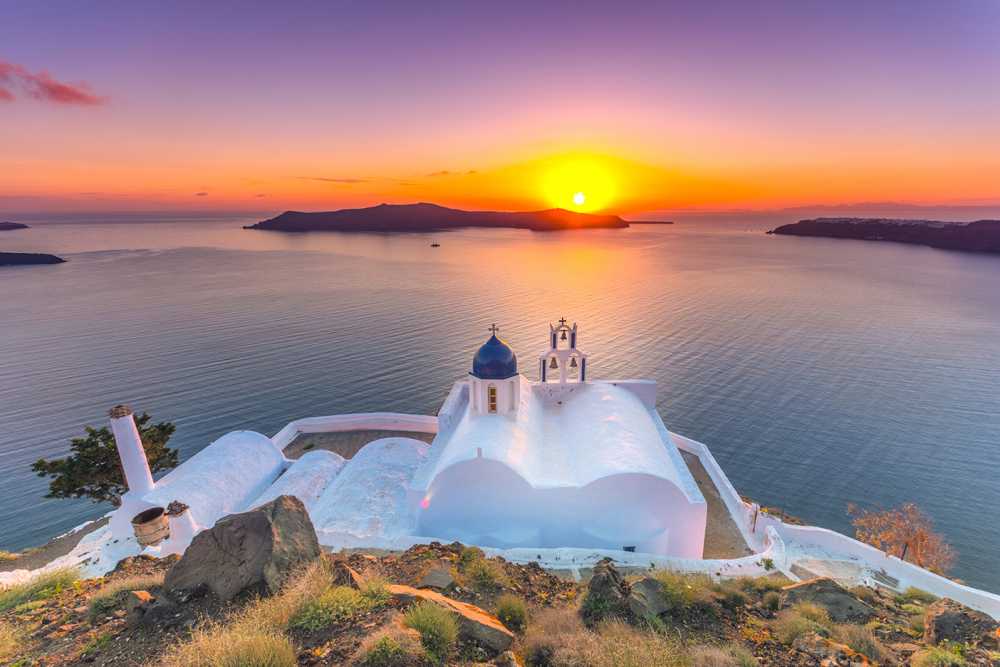
Magical Views from the Theoskepasti Chapel
Why visit Theospekati Chapel on Santorini? Let’s find out. Overview

Unique beauty of Ergemni beach
This guide will show you why you should visit this
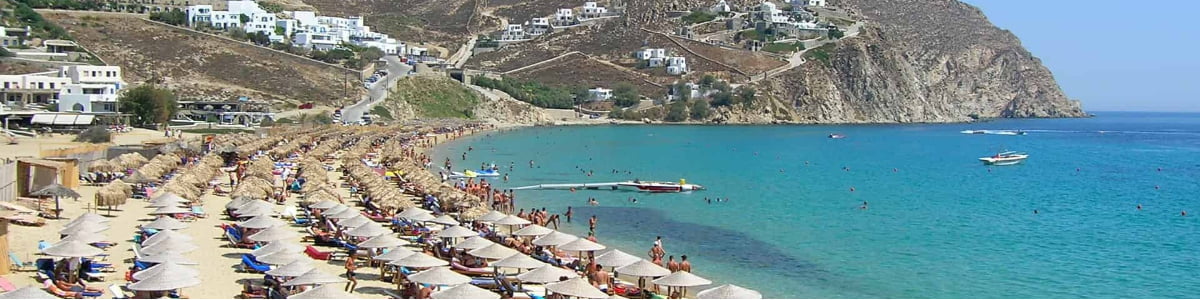
Best gay beaches in Mykonos
In this article, we will reveal some of the best