
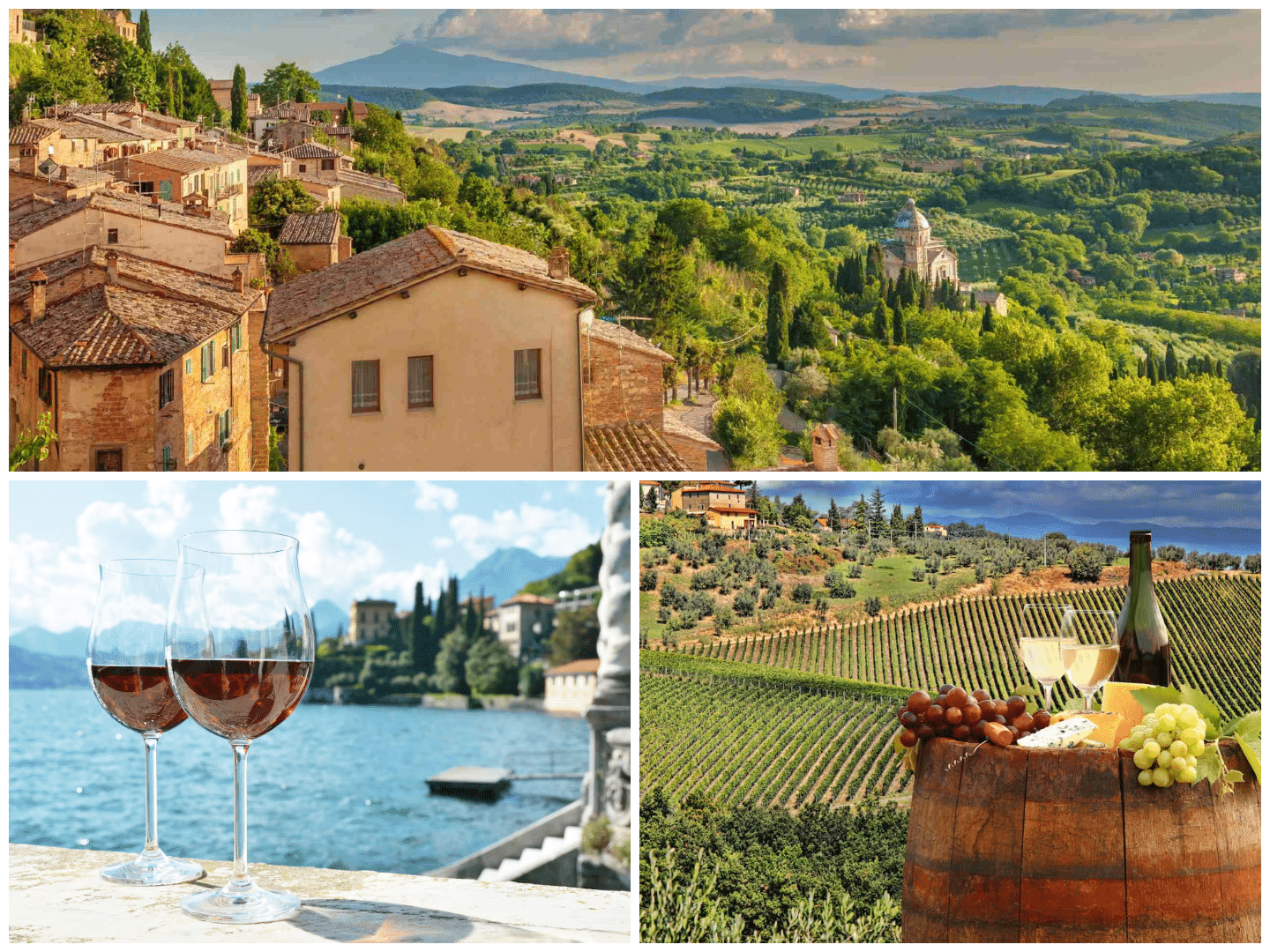
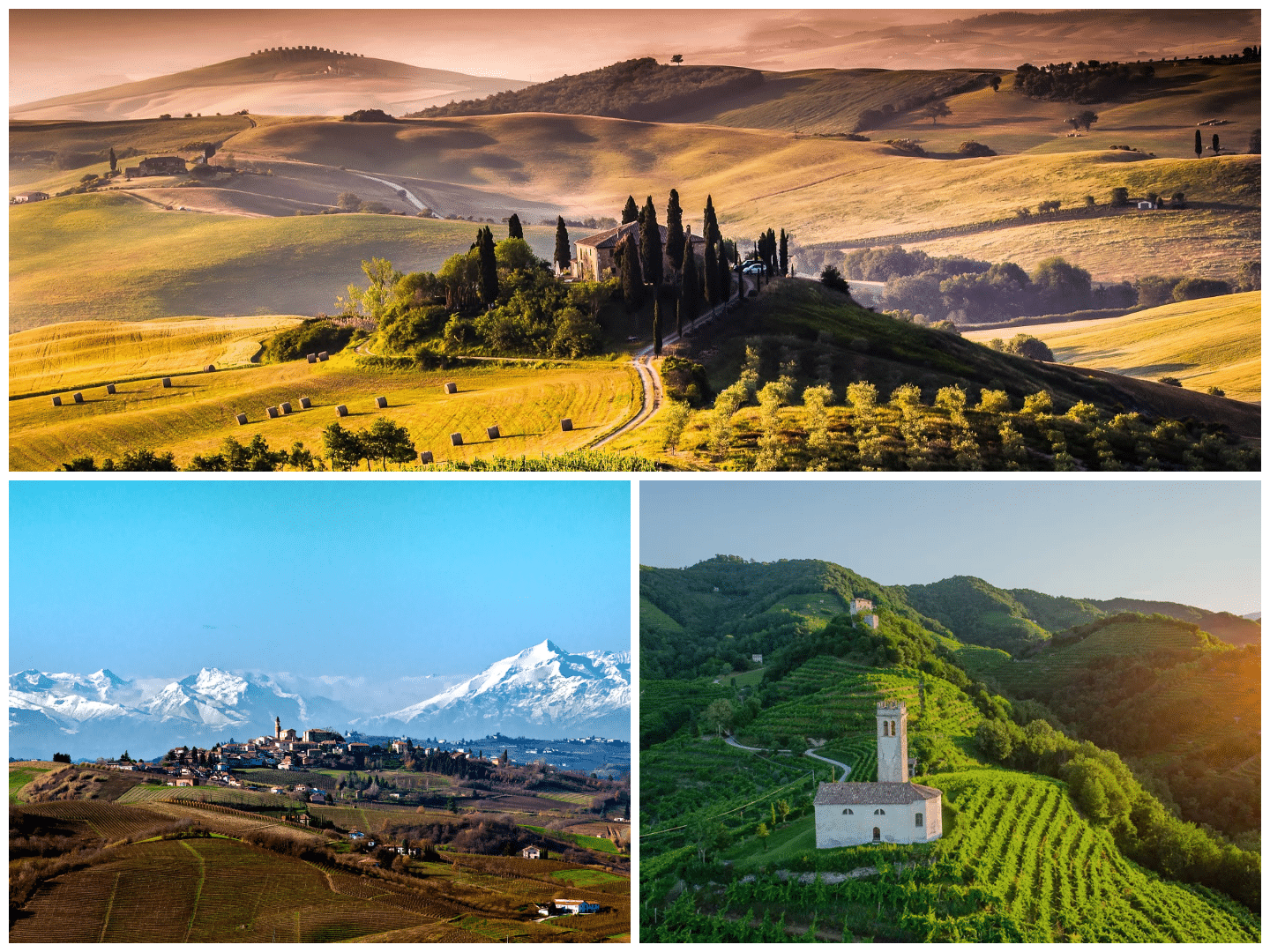
In this “Italian wine tasting guide”, you will find out all about this top wine-tasting European country. Furthermore, we will reveal how to go, what the best wine regions are, the best wines, plus many more helpful tips to make your traveling easier. So if you are interested, please stay with us.
©AdobeStock
Our website includes affiliate links. So, remember that we may receive commissions when you click our links and make purchases. Please read our legal disclaimer document for more information about our Affiliate disclaimer and other disclaimers like the Fair-Use disclaimer.
Introduction of the Italian Wine Tasting Guide
The Soul of Italy is in a Glass
Italy is a country rich in history, art, and food, with wine playing a significant role in its culture. Each region, from the hills of Piedmont to the vineyards of Sicily, tells a unique story through its local grapes and traditions. This guide will help you explore Italy’s wine landscape, whether you are an expert or just starting. Get ready to enjoy the experience, focusing on the connection to the land and its people.
In this guide, you will find the best wine regions, popular wines, and local foods that go well with them. We will also cover where to stay, how to get around, and the best wine roads to visit. You’ll learn how to plan your wine tasting trip, the best times to see, what foods to enjoy, and where to book a great tour. We’ll also include tips on wine drinking etiquette to help you make the most of your experience.
So, get ready to explore Italy’s wonderful world of wine!
Note: You could also be interested in our French Wine Tasting Guide.
When to Go on a Wine Tasting Vacation or Tour
Planning a wine tasting trip to Italy can be as enjoyable as the trip itself. With a bit of forethought, you can ensure a smooth, delicious, and authentic experience. The best time to visit Italy for a winetasting tour is during the spring or autumn.
Spring (March to May)
The weather is pleasant, and the vineyards are coming back to life, with new leaves unfurling and the landscape turning a vibrant green. There are fewer crowds than in the high summer season, allowing for more intimate and personal experiences with winemakers. You might also catch special events like “Cantine Aperte” (Open Cellars) in May, when many wineries open their doors to the public.
Autumn (September to October)
This is the most exciting time to visit—harvest season, or vendemmia. The vineyards are buzzing with activity as grapes are picked, and you can witness the winemaking process firsthand. The air is filled with the aromas of fresh must, and the weather is still beautiful, with the vineyards ablaze in stunning autumnal colors.
Where to Book the Finest Wine Tasting Tours
While you can sometimes book tastings directly with wineries, many small, family-run estates don’t accept walk-ins. It is often best to book your tours in advance through a reputable tour operator or online platform.
- Tour Operators: For a curated, stress-free experience, consider booking with a specialized tour operator. These companies often have exclusive access to boutique wineries and can arrange transportation, accommodation, and a full itinerary. Companies like Cellar Tours, Winalist, and The Grand Wine Tour offer a range of private and group tours across Italy’s major wine regions, including Tuscany, Piedmont, and Veneto.
- Online Platforms: Websites like Winedering and Divinea are excellent resources for finding and booking individual wine experiences directly with wineries. You can filter by region, type of tour (e.g., tasting only, vineyard walk, cooking class), and price. They provide reviews and details, making it easy to plan and customize your trip.
Best Italy Wine Tasting Regions
Italy’s wine culture is a journey through a diverse landscape, from the Alpine foothills to the sun-baked south. Here’s a breakdown of some of the best wine regions to visit, what to expect, and some insider tips for a perfect trip.
Tuscany (Toscana)
Tuscany is one of Italy’s most famous wine regions, known for its beautiful hills, cypress trees, and historic towns.
The most popular wines include Chianti Classico, a red wine made mainly from the Sangiovese grape. It has high acidity with flavors of cherry, plum, and herbs. Brunello di Montalcino is another intense, complex red wine made from Sangiovese, which improves with aging. Vino Nobile di Montepulciano is also a Sangiovese-based wine, and it is usually easier to drink than Brunello.
Super Tuscans are modern wines that mix Sangiovese with international grapes like Cabernet Sauvignon and Merlot. These wines are bold and well-rated.
Pair Chianti with hearty Tuscan dishes such as Florentine steak, wild boar ragu, or aged Pecorino cheese. The wine’s acidity balances rich foods well.
Stay in an agriturismo, which is a working farm that offers lodging, for an authentic experience. Many have their own vineyards and provide tastings and cooking classes on-site. For a more luxurious stay, consider a vineyard hotel. Towns like Siena, Montalcino, and Montepulciano are great bases for exploring the area.
To reach Tuscany’s wine regions, fly into Florence (FLR) or Pisa (PSA). Renting a car is highly recommended for flexibility, as public transport is limited in the countryside. You can also hire a private driver for a day or two, allowing you to enjoy the tastings without worrying about driving.
Piedmont (Piemonte)
Piedmont is Italy’s largest region in northwest Italy, located at the foot of the Alps. It has misty valleys and is known for its finest wines.
Italy’s popular wines include Barolo, called the “King of Wines.” This red wine is made from the Nebbiolo grape and has firm tannins, with flavors of tar and roses. It ages well over time. Another well-known wine is Barbaresco, also made from Nebbiolo. It is often seen as the “Queen” and is usually” easy”. It’s more refined than Barolo. Barbera and Dolcetto are everyday red wines that are fruitier and less tannic. Moscato d’Asti is a light, sweet, and fizzy white wine that pairs weld’Asti desserts.
Piedmont is also famous for its food. Enjoy Barolo and Barbaresco with rich dishes, like tajarin (a thin egg pasta) with truffle sauce or slow-cooked meats. Don’t miss the famous white truffles from Alba.
You can base yourself in the towns of Alba, Asti, or Barolo. Staying in a cozy village in the Langhe or Roero hills lets you experience the local culture.
To get there, fly into Turin (TRN) or Milan (MXP). Renting a car is necessary to explore the many vineyards and small villages.
Veneto
The northeast region is known for its diverse wines. The most popular include Prosecco, Amarone della Valpolicella, and Soave.
Prosecco is a sparkling wine made from the Glera grape. It is known for its crisp, fruity, and floral flavors. The best Prosecco comes from the Conegliano Valdobbiadene area. Amarone della Valpolicella is a robust red wine made from dried grapes. It has rich flavors of black cherry, chocolate, and raisin. Soave is a dry white wine made from the Garganega grape, with notes of green apple and almond.
Prosecco pairs well with seafood and light appetizers. Amarone goes well with rich dishes like risotto all’Amarone or aged cheeses.
For travel, Venice (VCE) is the main airport, but Verona (VRN) is also a good choice for wine regions. It’s best to stay in or around Verona for Valpolicella or visit the scenic town of Valdobbiadene for Prosecco.
Verona and Treviso are the best airports for wine regions. Renting a car is recommended, but organized tour buses operate on Prosecco Road for a stress-free visit.
©AdobeStock
Italy’s Most Famous Wine Grapes
While the regions are essential, the grapes are the Italian wine. Here are some of the most famous:
- Sangiovese: The backbone of Tuscan reds like Chianti, Brunello, and Vino Nobile. It’s high in acid and tannins, with a classic red-fruit profile.
- Nebbiolo: The noble gIt’s of Piedmont, responsible for the legendary Barolo and Barbaresco. It produces pale but powerful, long-lived wines.
- Montepulciano: A grape from the Abruzzo region (not to be confused with the town in Tuscany). It makes the popular, easy-drinking red Montepulciano d’Abruzzo.
- Pinot Grigio: A crisp, light white wine from northern Italy, particularly Vd’Abruzzo, Friuli-Venezia Giulia.
- Glera: The grape behind the world-famous sparkling wine, Prosecco.
- Primitivo & Negroamaro: These are the key red grapes of Puglia in the south, producing robust, full-bodied reds.
The Best Wine Roads (Strade del Vino)
Italy has almost 100 official wine roads, which are scenic routes designed to guide travelers through wine country. They are a great way to explore.
- Strada del Barolo e dei Grandi Vini di Langa (Piedmont): This route winds through the Barolo and Barbaresco regions, passing through charming villages and famous vineyards. It’s a must for serious wine enthusiasts.
- Strada del Prosecco e Vini dei Colli Conegliano (Veneto): Italy’s first official wine route, this scenic road takes you through the heart of Italy’s countryside, with stunning views of terraced vineyards and beautiful landscapes.
- Via Chiantigiana (Tuscany): This iconic road connects Florence and Siena, taking you through the heart of the Chianti Classico region. It’s a classic drive with countless wineries and villages to visit along the way.
Try Italian Wine Tasting with the local cheese or other Local Food
The golden rule of Italian food and wine pairing is to “go local.” Wines and cheeses from the same region have evolved together for centuries, and naturally complement each other. Eating local food with your wine enhances the tasting experience by creating a harmonious balance of flavors. Here are some classic pairings to look for:
Tuscan Reds (Chianti, Brunello di Montalcino)
These wines, known for their rustic character and acidity, pair perfectly with local, aged Pecorino cheese. The sharp, salty flavor of the cheese is an excellent match for the boldness of the wine, and the fat in the cheese helps to soften the wine’s tannins. Other excellent pairings include cured meats like prosciutto and salami.
Piedmontese Reds (Barolo, Barbaresco)
These intense and complex wines go well with cheese that can match their flavor. Pair them with hard, aged cheeses like Parmigiano Reggiano or Castelmagno. The nutty and savory flavors of these cheeses enhance the depth of the wine. You should also try a local favorite, Brunet, which is a creamy goat’s milk cheese, or the famous white truffles that grow in the area.
Italian Whites (Pinot Grigio, Vermentino)
These crisp, light, and citrusy white wines are ideal with fresh, soft cheeses that won’t overwhelm their delicate flavors. Look for Burrata or mozzarella, or a semi-soft cheese like Taleggio. These pairings are refreshing and perfect for a warm afternoon.
Sparkling Wines (Prosecco, Franciacorta)
The effervescence and acidity of sparkling wines make them a fantastic palate cleanser. They work wonderfully with fried foods (panzerotti) or creamy risottos. The bubbles cut through the richness, refreshing your mouth and preparing it for the next bite.
Helpful Local Tips
- Book in Advance: Many small, family-run wineries do not accept walk-ins. Always call or email ahead to make an appointment.
- Don’t Overdo It: Plan to visit no more than 2-3 wineries in a day to allow yourself to relax, enjoy the experience, and not rush.
- Stay Hydrated: Drink plenty of water between tastings. It’s perfectly acceptable to use the spittoon provided. No one will be offended.
- Dress appropriately: While you don’t need a tuxedo, avoid overly casual clothes like athletic wear or flip-flops. A casual outfit is generally appropriate.
- Embrace the Food: Wine is an integral part of Italian meals. Be sure to enjoy local dishes with your wine for the best experience.
- Learn a Few Words: A simple Buongiorno (good day), Grazie (thank you), and Salute! (cheers!) will be much appreciated by your hosts.
Conclusion: Italy Wine Tasting
As your wine-tasting journey in Italy comes to an end, you’ll take home more than just a list of your favorite wines. You’ll gain an understanding of the soil, climate, and geography that contribute to the unique flavors of each wine. Furthermore, you’ll cherish the memories of meeting passionate winemakers and sharing a glass with new friends over delicious local pasta.
Italy’s wine culture is constantly changing. You’ll stay true to its roots. The lessons of enjoying the moment, recognizing family flavors, and appreciating the link between food and wine can enrich your life as you return home to Italy. This guide is just the start; the journey is yours to continue. May you always find joy in Italian wine. Salute!
Take a look at

French Wine Tasting
France is a dream destination for wine lovers, with diverse regions offering a rich tapestry of flavors, history, and culture.
Venice and Padova Gay Travel Guide: The Best of Both Worlds
This Venice and Padova guide shows gay travelers how to combine Venice’s romance with Padova’s nightlife in one trip. Get the key sights, common pitfalls, and local tips for both cities.
Visit Siena
This Visit Siena article will help you discover the essential charms of this lovely Tuscan city, which is considered by

References and sources:
Photo credits:
Feature photo: ©AdobeStock