
Graz is a remarkable historic city to explore. That’s why this Graz Guide will present everything you need to know for your comfortable stay.
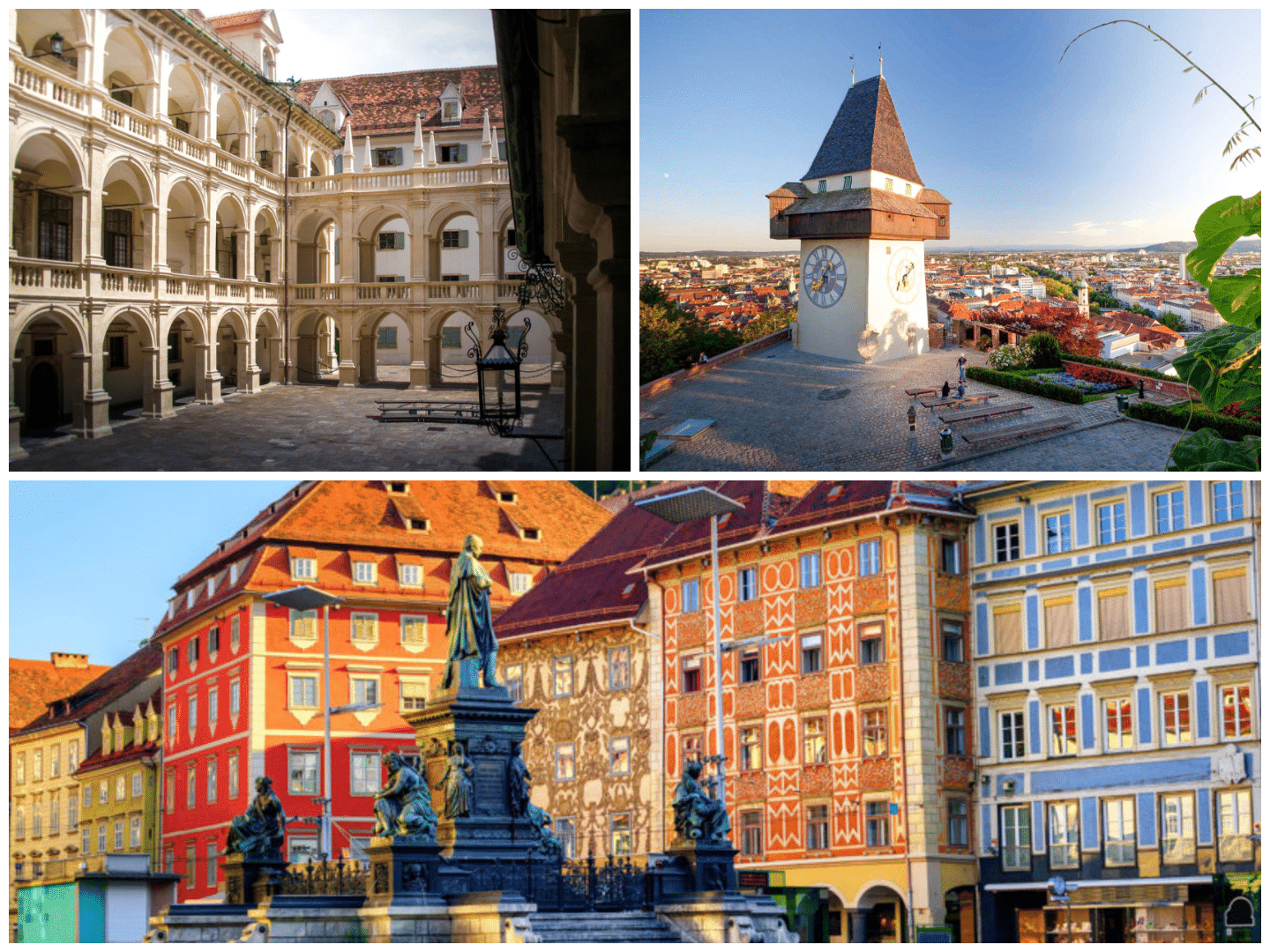
©voyagetips.com
Our website includes affiliate links. So, remember that we may receive commissions when you click our links and make purchases. Please read our legal disclaimer document for more information about our Affiliate disclaimer and other disclaimers like the Fair-Use disclaimer.
Why you should visit Graz
Graz is the second-largest city in Austria and has a rich historical legacy in Styria. It’s Old Town, a UNESCO World Heritage Site, which features cobblestone streets lined with Renaissance and Baroque buildings, and key landmarks like the Schlossberg and the Archbishop’s Palace. Graz was the Habsburgs’ residence in the 15th century and is home to one of Austria’s oldest universities, founded in 1585.
More importantly, the city resisted Ottoman invasions and was largely undamaged during World War II, reflecting its resilience. Named the European Capital of Culture in 2003, Graz has modernized and grown to a population of 300,000, including 70,000 students. So, let’s discover more.
Getting to Graz
Graz Airport (GRZ) is about 9 km from the city center and has flights to many European cities. For more international options, you can fly into Vienna International Airport (VIE) and then take a train or bus to Graz.
Furthermore, Graz has good train connections to important Austrian cities like Vienna (about 2.5 hours), Salzburg, and Linz. Traveling by train is comfortable and offers beautiful views. You can also find long-distance buses, like FlixBus, which can be a cheaper choice.
So, getting to Graz is convenient, with a variety of transportation options available. You can reach it by car using the A9 motorway from the north and south or the A2 from the west. Keep in mind that there are parking fees, and you need a toll sticker (“Vignette”) for vehicles up to 3.5 tons on Austrian motorways. Alternatively, you can quickly get to Graz by train, bus, or plane, making it easy to plan your journey.
Tip: The cheapest way to get to Graz is to buy train tickets in advance. You can save half or more by booking a fixed-departure-time Sparschiene ticket from ÖBB, the national rail operator. Before booking, compare prices with WESTbahn, a private rail operator that connects Vienna to Salzburg, Innsbruck, and Bregenz with supersaver and flexible tickets. Also, consider whether a Eurail Austria pass might save you money, depending on your travel plans.
How to Move Around Graz:
Graz has a sound public transportation system with trams and buses. You can buy tickets at machines, online, or through mobile apps. The city center is small and easy to walk around or bike in.
But, if you plan to drive, parking in the center costs money. In the Blue Zone, you can park for up to three hours. Fees apply on weekdays from 9 am to 8 pm and on Saturdays from 9 am to 1 pm. At Graz Hauptbahnhof, parking fees are charged daily from 8 am to 10 pm. The Green Zone also has parking fees, but a valid ticket allows you to park for several days.
What to see and do
This Graz Guide will present a few must-see sights during your stay. Let’s show you with a few sights and activities, shall we?
Firstly, discover the wonders of Graz, where history and culture intertwine at Eggenberg Palace. Built in 1625 for the illustrious Eggenberg family, this magnificent museum captivates visitors with its breathtaking painted ceilings, frescoes, and beautifully landscaped gardens that highlight the family’s significant role in Graz’s history.
The next one is the iconic Schlossberg, standing tall at 473 meters, with its Uhrturm (Clock Tower), which is a must-see for any traveler. Easily accessible by various scenic paths, a lift, or the funicular train, the Uhrturm offers unforgettable views of the city. Remember, Graz’s lift operates until 12:30 am, and the funicular runs until midnight on weekdays and 2 am on weekends, making it easy to enjoy Napoleon’s sights day or night.

©voyagetips.com
Additionally, we invite you to marvel at the stunning Mariatrost Basilica, a baroque church on Purberg Hill that showcases elaborate art and architecture. You can also stroll along Sporgasse, a vibrant pedestrian shopping street dotted with chic boutiques and cozy cafés, perfect for a pleasing shopping experience.
Art enthusiasts will be enamored by the Kunsthaus Graz, an architectural masterpiece designed by Peter Cook and Colin Fournier. Likewise, this museum displays modern art, hosts engaging exhibitions, and employs energy-efficient designs, making it a progressive center for creativity.
Moreover, don’t miss the breathtaking Mausoleum of Emperor Ferdinand II, a 17th-century masterpiece, or the picturesque “Island on the Mur,” where you can sip coffee surrounded by the gentle flow of the river. Also, in the heart of Graz, there is the Landhaus that features an exquisite Renaissance courtyard and hosts delightful events throughout the year.
So, immerse yourself in the cultural richness of Graz at the stunning Domkirche (Graz Cathedral), dedicated to Saint Giles, with its captivating Baroque décor and serene atmosphere. Finally, explore the Landeszeughaus, one of the largest armories in the world, showcasing an impressive collection of arms and armor from the 15th to 18th centuries, providing a fascinating glimpse into Graz’s martial heritage.
Now that you are ready, let’s experience the charm of Graz—where every corner tells a story waiting to be discovered!
Foody Graz Guide
Graz offers a variety of delicious dishes and traditional Austrian cuisine that you should try during your visit. Austrian and Styrian traditions influence Graz’s local cuisine. Hearty dishes use fresh ingredients like meat, dairy products, and vegetables. Styrian pumpkin seed oil is a regional specialty often used in salads and dressings. Here are some recommendations for what to eat, where to eat, the best local food, the best local restaurants, and budget-friendly options in Graz:
- What to Eat in Graz:
Schnitzel: A classic Austrian dish, schnitzel is a breaded and fried veal or pork cutlet. - Knödel: Dumplings made from bread or potatoes, often served as a side dish.
- Käsespätzle: A cheesy egg noodle dish similar to macaroni and cheese.
- Tafelspitz: Boiled beef served with horseradish and traditional sides.
- Apfelstrudel: A delicious apple strudel pastry often served with vanilla sauce.
The best day trips from Graz
Outside the city, you can find many things to discover and enjoy.
You can explore fascinating caves and beautiful waterfalls, experience the farming life of the past, and enjoy modern art in nature. Graz has a green and delightful area for you to explore!
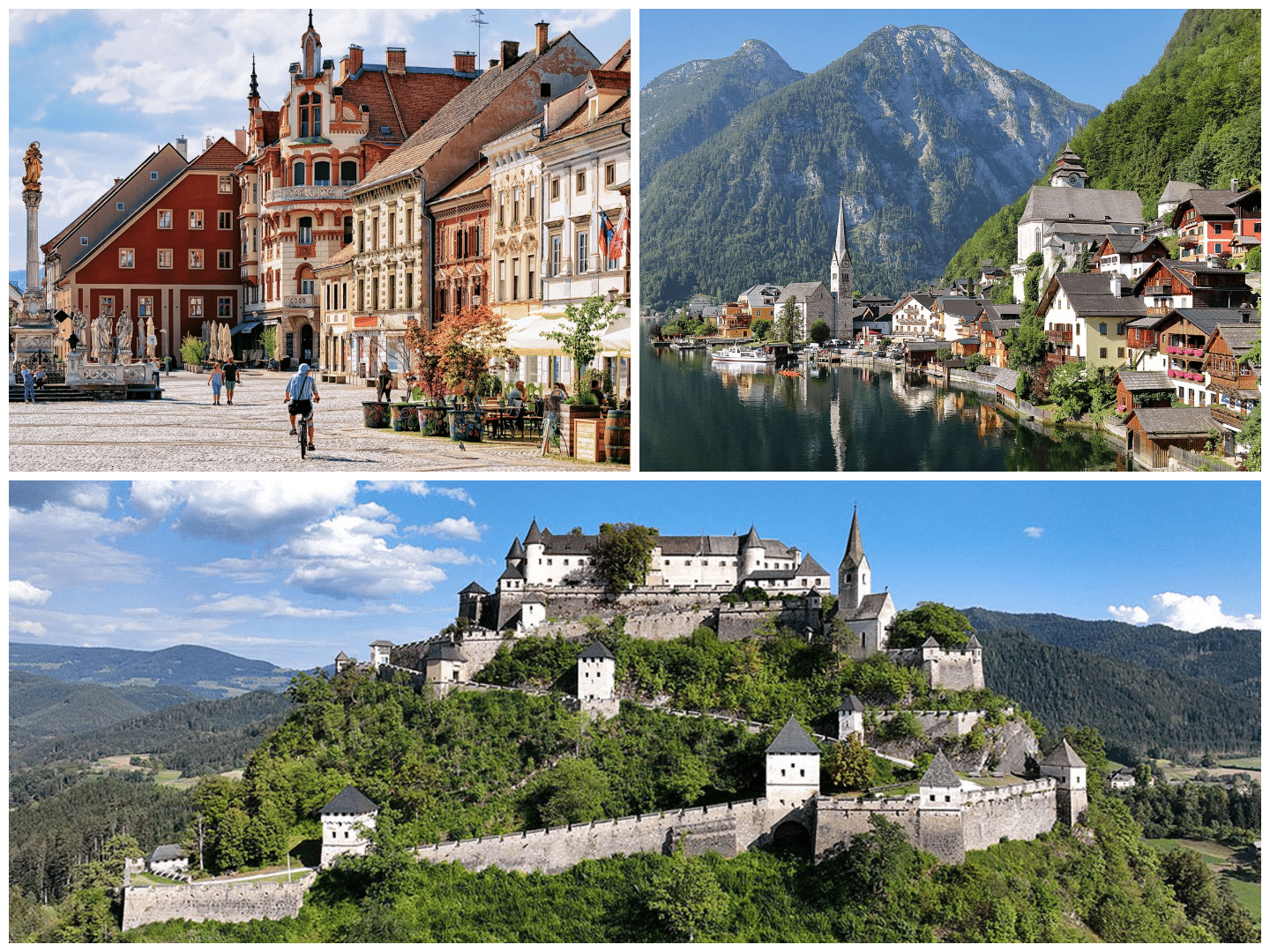
The first one is Riegersburg Castle, which sits on top of an extinct volcano. It has a rich history and “offers a witchcraft” museum that shares stories about past witch trials.
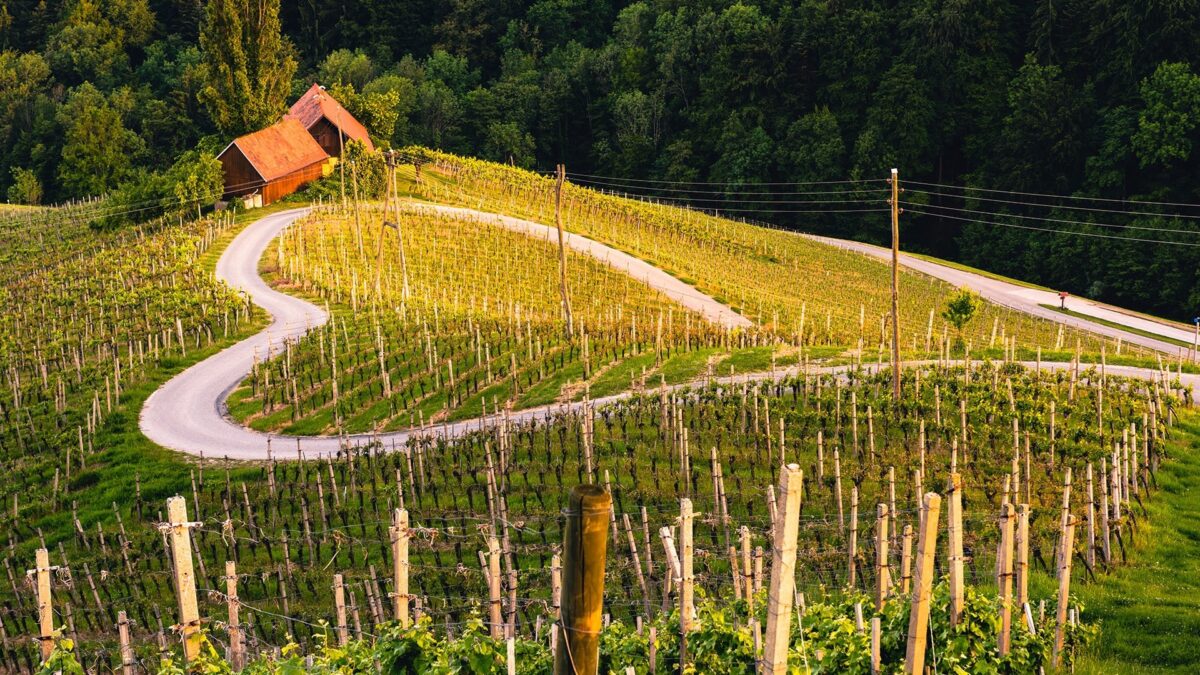
Furthermore, the Styrian Wine Country features rolling hills and lovely vineyards, ideal for wine lovers. This area is famous for excellent white wines, especially Sauvignon Blanc, and has numerous wine-tasting options.
©Shutterstock
The next one is already very famous. Hallstatt is a UNESCO World Heritage site known for its stunning mountain views and charming buildings. In this beautiful village, you can see Hallstätter See and the Dachstein Alps, and you can also take a tour of a fascinating salt mine.
Maribor, across the border in Slovenia, is known for its wine culture and historical sites. You can visit Maribor Cathedral and the medieval Maribor Castle. The city is also home to the world’s oldest grapevine.
Ljubljana, the capital of Slovenia, features green spaces, a lively cultural scene, and beautiful architecture. You can explore Ljubljana Castle, Tivoli Park, and the picturesque bridges over the Ljubljanica River.
When to Visit Graz
Firstly and most importantly, Graz is a year-round destination that invites you to explore its seasonal delights. Spring breathes life into the city with blooming flowers and mild weather, inspiring strolls and vibrant cultural festivals. Summer transforms Graz into a lively hub, where outdoor cafés, buzzing markets, and captivating concerts create unforgettable stories.
The next one, Autumn, graces the city with cooler temperatures and breathtaking foliage, encouraging you to savor Graz’s festivals and delightful winery tours. But Winter casts a magical spell over Graz, with festive Christmas markets and seasonal treats, igniting the holiday spirit within you.
No matter the season, Graz beckons with a wealth of experiences that awaken your spirit—embrace the opportunity to explore this vibrant city!
Where to stay in Graz?
The city offers a variety of neighborhoods and accommodations to suit different preferences and budgets. So, our Graz guide will reveal some of the best areas to stay.
The best areas
The historic heart of Graz, Innere Stadt, is a UNESCO World Heritage site known for its medieval and Renaissance architecture. Staying here places you within walking distance of major attractions like the Hauptplatz (Main Square), Graz Cathedral, and Schlossberg Hill.
Secondly, Lend, located west of the Mur River, is a vibrant and trendy district known for its creative scene, markets, and the Kunsthaus Graz art museum. It’s an excellent choice for those seeking a more bohemian atmosphere.
Northeast of the city center, Geidorf is a residential area known for its parks and upscale ambiance. It’s a peaceful retreat with easy access to green spaces like the Stadtpark and the Mur River.
Just east of the old town, St. Leonhard is a charming neighborhood with historic buildings and narrow streets. It offers a cozy atmosphere with local shops and is within walking distance of the city center.
When choosing your accommodation, consider the proximity to the attractions you wish to visit and the neighborhood’s ambiance to ensure a pleasant stay in Graz.
Graz, Austria, is generally considered a very safe and pleasant place to live. Here’s a detailed overview of safety and life in Graz.
Safety in Graz
Graz has low crime rates, which is common in Austrian cities. Violent crime is rare, and most minor offenses, like pickpocketing, occur in busy areas. The city is safe for walking, cycling, and using public transportation at all times, so residents and visitors can feel secure. The police are visible, approachable, and responsive, adding to this sense of safety. Graz is also free of major natural disasters, reducing risks like earthquakes and severe weather.
Furthermore, the city offers a high quality of life with cultural activities and a strong community feel. While petty crime occurs, especially targeting tourists, the town remains friendly and welcoming. LGBTQIA+ rights in Graz are progressive. The local LGBTQIA+ community is vibrant and inclusive, with many events and places that cater to their needs and interests.
Graz Guide etiquette
Like any other city, respecting and considering local customs and etiquette in Graz is essential. Here are a few tips to keep in mind:
- Greeting: When meeting someone in Graz for the first time, a handshake is a common way to greet them. A simple “Guten Tag” (Good day) or “Grüß Gott” (a traditional Austrian greeting) is appropriate.
- Dining etiquette: When dining in a restaurant, it’s customary to wait to be seated by the host. It’s polite to say “Guten Appetit” before starting your meal and to keep your hands visible on the table while eating.
- Dress code: Graz is a stylish city, so it’s a good idea to dress neatly and conservatively when visiting restaurants, cultural sites, or events.
- Punctuality: Being on time is appreciated in Graz, especially for meetings, appointments, and events.
- Tipping: Tipping is common in restaurants and cafés in Graz. A typical tip is around 5-10% of the total bill, depending on the level of service.
Remember, being polite, friendly, and respectful of the local customs will go a long way in ensuring a positive experience in Graz. If you have any specific questions or need more information, feel free to ask!
FAQ
Is Graz, Austria, worth visiting?
The old town is very much worth a visit. It’s only about 170 km from the Austrian capital, Vienna. Graz is home to two UNESCO World Heritage Sites: the Old Town Centre and the Castle in Eggenberg.
How many days should you stay in Graz?
Most people spend two to three days in Graz during their visit. The cultural city offers terrific highlights such as the historic old town, famous sights and museums, cuisine, and nightlife. Graz is one of the largest and most impressive old towns in Europe.
Is Graz expensive?
Graz may be cheaper than Vienna. However, it is more expensive than many places in Italy, Slovenia, and Croatia. So, if you travel on a budget, we recommend visiting it in the shoulder season and booking trains, flights, and accommodation well in advance.
We hope you have enjoyed reading our Graz Guide and found it helpful. But now, we’d like to hear the word from you. That’s why you are all invited to share your opinions and views about this magnificent city in the comments below.
Take a look at
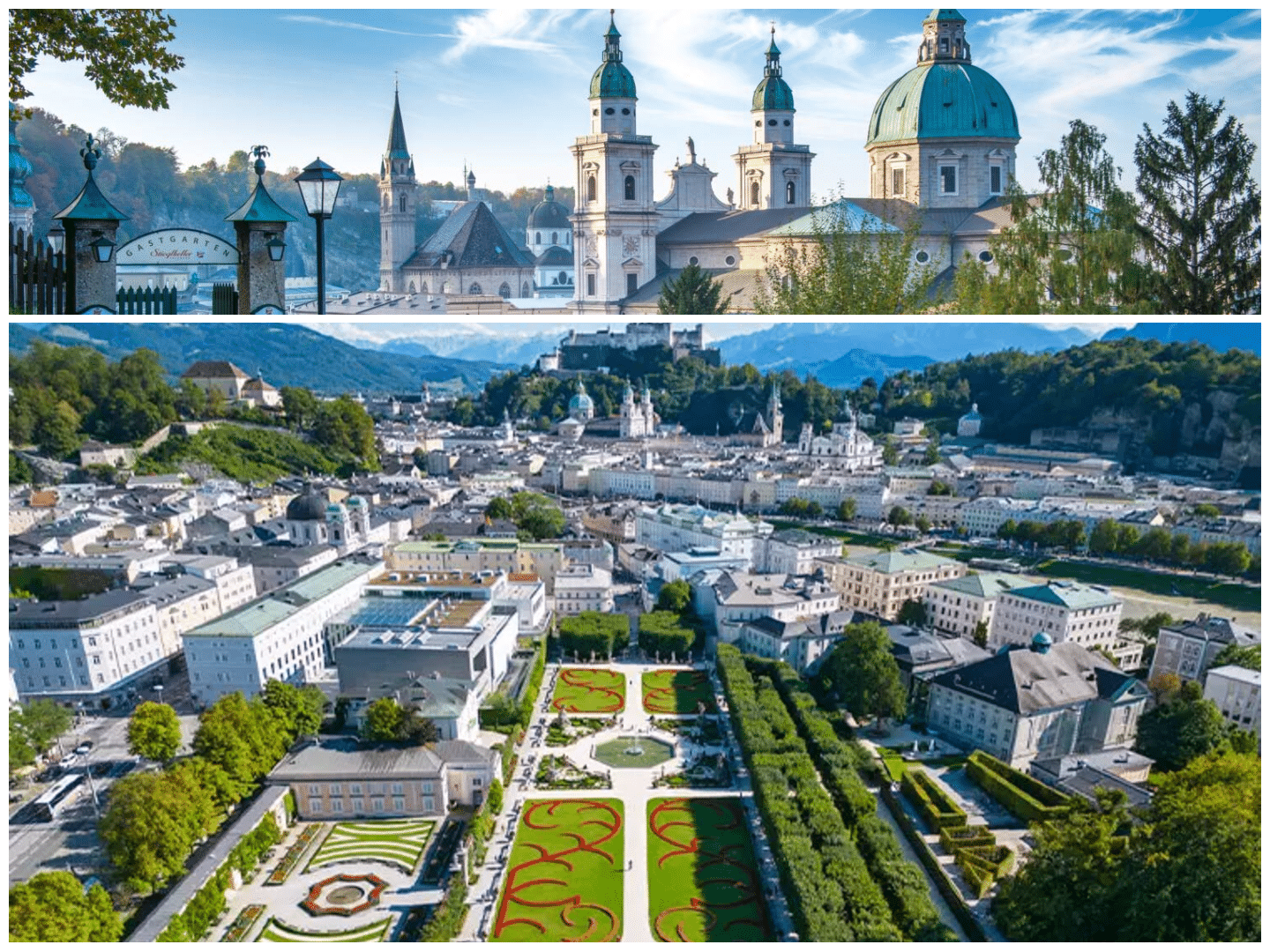
A Complete Salzburg Guide
This Salzburg guide will reveal to you everything you need to know about this fantastic city, from the most appealing
Most pleasant One-Day Trips from Vienna
Why did we write the article Most Pleasant One-Day Trips from Vienna in the first place? Let’s suppose you want
The Finest Day Trips from Maribor
In this The Finest Day Trips from Maribor Guide, we will show you which trips are worth noting if you
References and sources:
Photo credits:
Feature photo credits: ©voyagetips.com