
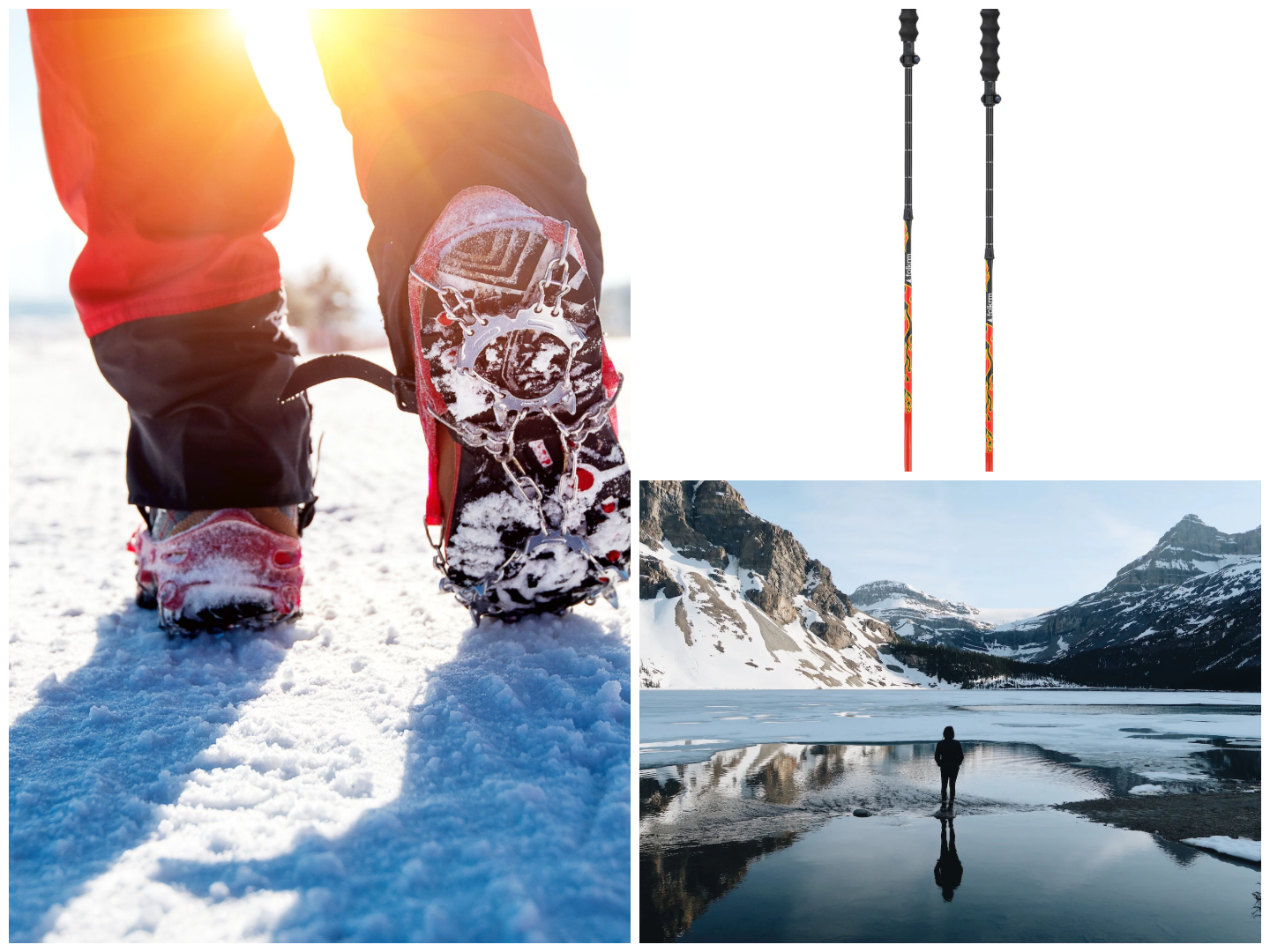
If you want to enjoy the snowy beauty of Southern Europe, you should know some basics of “Safety Winter Hiking. This is essential. Before you can take in the breathtaking views, you must learn how to use the right gear and follow the safety rules to ensure you return home safely.
Overview of Safety Winter Hiking
Winter hiking offers a unique experience, filled with beauty and peace, especially after the first snow. While summer trails are popular, winter trails in Europe present a transformed landscape that sparkles in the cold light. Fewer hikers on these paths create a peaceful atmosphere perfect for quiet reflection. That’s why this guide focuses on Safety Winter Hiking, and thus explores the stunning winter hiking paths in Southern Europe, including Slovenia, the Balkans, Italy, and France. So, we’ll help you swap summer adventures for the calmness of winter hikes, emphasizing the importance of proper preparation and gear.
Essential Gear and Safety Protocol
The difference between a magical winter trek and a dangerous ordeal often comes down to five items: preparation, traction, insulation, navigation, and timing. For every snowy trail in Europe, safety must be the primary focus.
Note: If you need an idea of where to go for your next winter hiking adventure, we recommend reading our guide about the finest Southern European winter trails.
What Goes on Your Boots
Never step onto a winter trail without an ice plan. The most common cause of injury in winter hiking is slipping on hard-packed snow or glare ice.
Microspikes
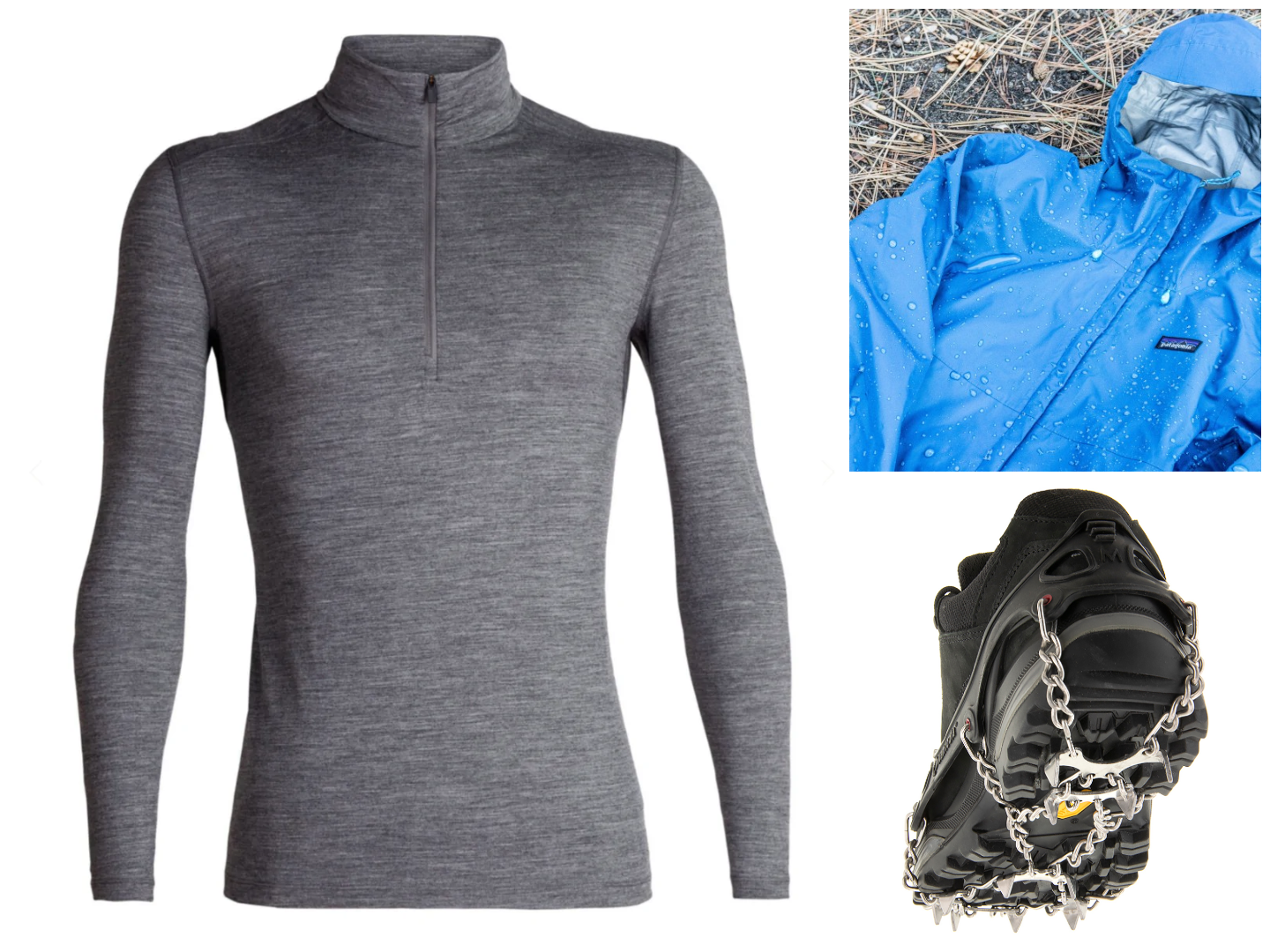
For the most popular hiking trails at lower altitudes, like Lake Bohinj, Plitvice, or Alpe di Siusi, you should use microspikes. Microspikes are flexible chains with small stainless steel spikes that fit over your hiking boots. They give you a firm grip on icy paths and hard-packed snow. We recommend brands like Kahtoola MICROspikes or Hillsound Trail Crampon Ultra for their durability and secure fit.
Snowshoes
For fresh, deep, and untracked powder, especially in the higher areas of the Balkans or on designated Fr “nch “Raqu” ttes” routes, microspikes won’t help. Snowshoes are better because they spread out your weight. This lets you walk on top of the snow without sinking in, which can be tiring and risky.
Gaiters
These waterproof fabric sleeves wrap from your boot tops to your calf, preventing snow from kicking up and melting inside your boot—the quickest way to cold, wet feet and potential frostbite.
Poles
Trekking poles with snow baskets help you stay balanced, check how deep the snow is, and reduce knee strain when going downhill on slippery ground.
The Layering System: Warmth and Dryness
Cotton is your enemy in the cold, as it holds moisture and rapidly draws heat away from your body (“Cotton kills”). Always adhere to the three-layer system:
Base Layer (Wicking)
Worn next to the skin (top and bottom), this layer must wick sweat away. Choose Merino wool or high-quality synthetics.
Mid-Layer (Insulation)
This is your warmth—a fleece jacket or a lightweight down/synthetic puffer. This is the layer you often take off during a steep climb.
Outer Layer (Protection/Shell)
A windproof and waterproof jacket and pants. This shell protects you from wind, falling snow, and rain, keeping the inner layers dry and effective.
Extremities
Always pack a warm beanie/hat (you lose significant heat through your head), waterproof mittens (warmer than gloves), and an extra pair of thick wool socks.
Navigation and Timing: Battling the Short Day
Successfully executing a Safety Winter Hiking trip hinges on managing two critical factors: the severely limited daylight and the unpredictable lifespan of electronics in the cold. Winter days are short, and the cold rapidly drains batteries, leaving you unprepared for the dark and for trails that are completely obscured by snow.
Headlamp
Mandatory, even if you plan to be back hours before sunset. Carry one with extra batteries (Lithium batteries perform better in the cold) as a critical safety backup.
Navigation Tools
Do not rely solely on your phone. Carry a physical map and compass, and know how to use them, mainly when snow conceals trail markers. For digital backup, a fully charged GPS device or a smartphone on “Airplane Mode” with downloaded offline maps (and a power bank) is essential.
Trip Plan
Always inform a reliable contact (family, hotel, or guide service) of your precise route, destination, and expected return time. Stick strictly to the plan to ensure rescue services know where to look if the unexpected occurs.
Avalanche Awareness: The Non-Negotiable Check
While your chosen routes focus on safer terrain, any hike in the mountains, especially in Slovenia, the Dolomites, or the higher Balkans, carries some degree of risk.
Check the Bulletin
Before heading out into any alpine terrain, you must check the European Avalanche Warning Service (EAWS) report for the local region (e.g., Arso for Slovenia, Meteo France for France).
Understand the Scale
The danger is rated on a five-level scale (1-Low to 5-Very High). Crucially, approximately 50% of avalanche fatalities occur at Level 3 (Considerable). If the rating is three or higher, inexperienced winter hikers should stick strictly to valley floors, managed pistes, or designated winter walking trails.
Never Follow Blindly
Do not assume a trail is safe just because you see old footprints. Those prints could belong to an unprepared hiker or lead directly into a dangerous zone.
Your Winter Safety Kit
To ensure a safe and enjoyable experience on snowy or icy trails, specific gear is non-negotiable. Here are the essential categories with links to trusted brands.
Essential Traction: Microspikes (For Ice & Packed Snow)
For most well-trodden routes in Slovenia, the Dolomites, or even icy paths in the Balkans, you need reliable traction that fits over your existing hiking boots. These devices are easier to use and pack than full mountaineering crampons, making them essential for successful winter Hiking. The key is to select a pair that will not slip off your boot when you need them most.
Best Overall for Hiking: Kahtoola MICROspikes – Known for their bombproof durability, secure elastomer harness, and aggressive stainless steel spikes. They are the standard for winter hiking in variable conditions.
Best Budget/Casual Use: Yaktrax Diamond Grip – Offers a good balance of grip and comfort for less strenuous, packed trails and icy pavement.
Flotation for Deep Snow: Snowshoes (For Untracked Powder)
For deep powder in places like the French Alps or lower Durmitor, snowshoes are vital to prevent post-holing.
- Best for Beginners/Value: MSR Evo Trail or Tubbs Flex STP – Both offer excellent value, reliable bindings, and good traction for recreational users on moderate terrain. MSR is known for durability, while Tubbs offers flexible decking for a more natural stride.
Outer Protection: Waterproof/Windproof Shell
Your shell layer protects your insulation from wind, snow, and rain. Choose a durable, breathable, waterproof jacket.
- Best All-Around Hardshell: Patagonia Torrentshell 3L – Offers an outstanding balance of protection, durability, and a reasonable price point. Features pit zips for ventilation during climbs.
- High-End Performance: Arc’teryx Beta Series – Known for superior fit, weight, and use of advanced materials (often Gore-Tex), providing bombproof protection for the most challenging conditions.
Base Layer: Merino Wool
This layer is critical for wicking moisture away from your skin, preventing dangerous heat loss (hypothermia). Merino wool is preferred for its warmth, breathability, and odor resistance.
- Premium Quality & Warmth: Smartwool Classic Thermal or Icebreaker Merino 200/260 Oasis – Both brands specialize in soft, high-performance merino wool that is essential for cold environments.
Conclusion: Safety, Solitude, and the Soul of Winter Hiking
To walk a trail in winter lets you experience nature in its purest, most essential state. You will hear the crunch of snow beneath your feet and enjoy the quiet of the forests. The dramatic contrast between the brilliant white landscape and the clear, cold sky creates a beautiful scene. Europe offers many fantastic winter hiking opportunities, including Slovenia’s valleys, the Balkans’ frozen areas, the well-managed trails of the Dolomites in Italy, and the mild coastal paths of the Mediterranean.
Yet, the success of any winter trek hinges entirely on your commitment to Safety Winter Hiking. This means respecting the environment and preparing well. By diligently checking local avalanche conditions, using the right gear (especially traction and proper layers), planning conservative routes, and being ready to turn back if conditions change, you ensure your safety and fully absorb the tranquility and majesty that this season offers. Embrace the chill, welcome the peace, and discover a side of Europe few summer visitors ever see.
Take a look at

Plitvice Lakes Guide
In this Plitvice Guide (or Plitvice Lakes Guide), we introduce you to the most famous Croatian natural attraction. For centuries,

Which Travel SIMs are the Best?
In this guide, we’ll answer your questions about which Travel SIMs are the best. Furthermore, we’ll explain why you should
Encouraging hiking quotes to inspire your next adventure
The beautiful thing about hiking is that it’s truly an activity everyone can do. Whether you’re young or old, an