
Planning your perfect getaway? This Tenerife travel guide is your essential Tenerife vacation planner. Inside, you’ll find all the best Tenerife travel tips you need, from knowing how to budget your trip to understanding the vibrant local culture and navigating the island with ease.
Our website includes affiliate links. So, remember that we may receive commissions when you click our links and make purchases. Please read our legal disclaimer document for more information about our Affiliate disclaimer and other disclaimers like the Fair-Use disclaimer.
Introduction to Our Tenerife Travel Guide
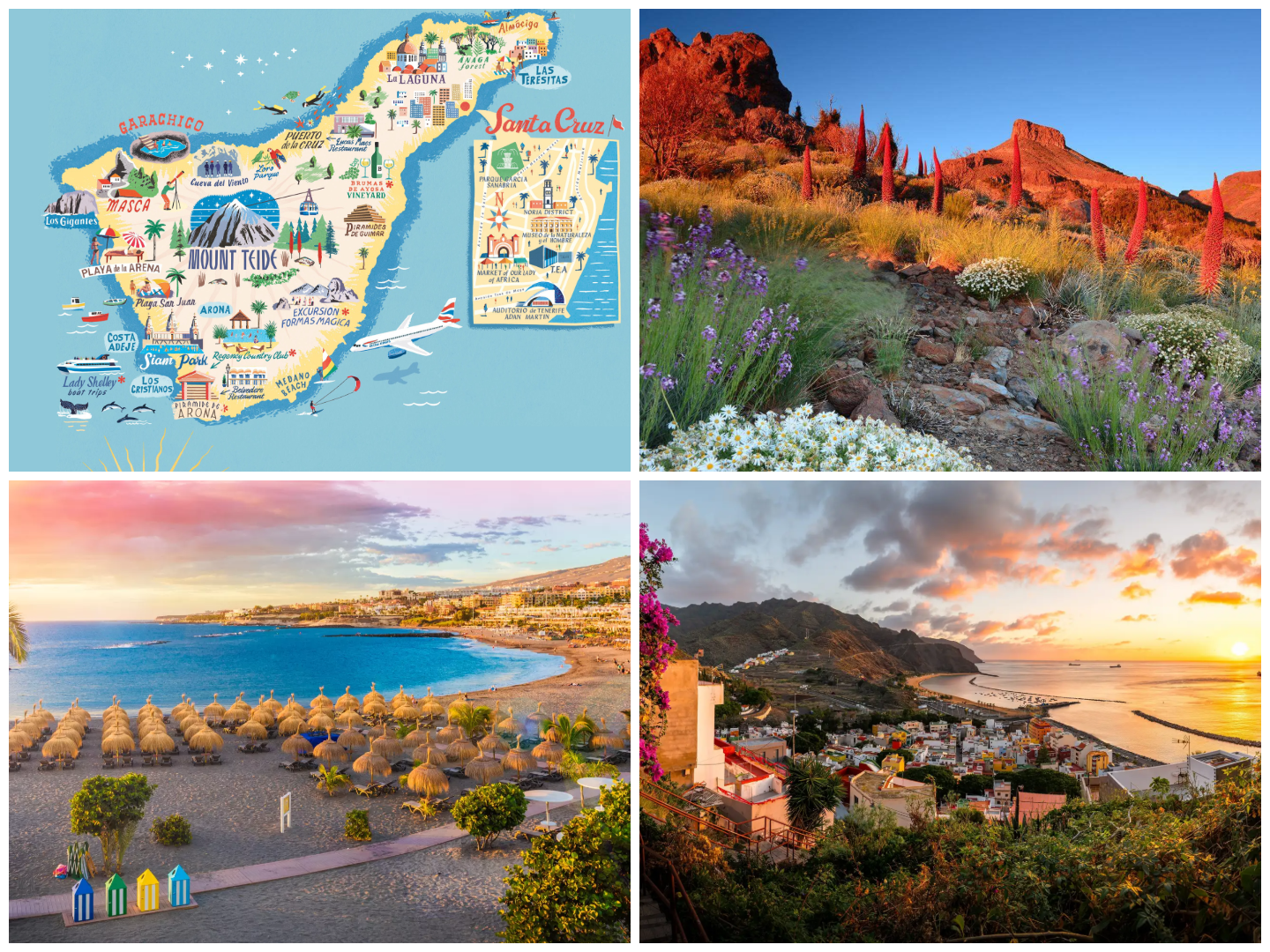
Welcome to Tenerife, the largest of Spain’s beautiful Canary Islands. This fantastic place combines sunny beaches with towering volcanic mountains and lively nightlife. Tenerife feels like a world of its own, making it perfect for adventure, relaxation, and experiencing new cultures. It has been a popular spot for travelers from all over the globe. From the breathtaking views at Mount Teide to the friendly vibe of its coastal towns, Tenerife is an ideal destination for a memorable European vacation. Get ready to discover an island full of diversity, with everything from natural wonders to exciting theme parks and resorts that can be your perfect sunny getaway!
Why Visit Tenerife?
Tenerife, often called the “Island of Eternal Spring,” is known for its year-round mild climate and stunning diversity. The island offers everything from the sun-drenched resorts of the South to the lush, ancient laurel forests of the North, all crowned by the magnificent Teide National Park, home to Mount Teide, Spain’s highest peak. Therefore, it caters to every traveler—from those seeking relaxation and upscale resorts to adventurers, hikers, and those looking for vibrant nightlife and a welcoming, inclusive atmosphere.
How to Plan Your Trip
How Long Should I Stay? (A common FAQ)
- Minimum: 4-5 days is enough for a taste of the island, focusing on either the North or the South.
- Recommended: 7-10 days allows you to properly explore both the lush North (culture, hiking) and the sunny South (beaches, resorts, nightlife), including a day trip or two and time for relaxation. This is key information for your Tenerife vacation planner.
- Split Itinerary: Spend 3-4 nights in the North (like La Laguna or Puerto de la Cruz) and 3-4 nights in the South (like Costa Adeje) to minimize driving and experience both sides thoroughly.
Getting to Tenerife
Tenerife has two international airports:
Tenerife South Airport (TFS) – Reina Sofía
The main airport for international and charter flights is located close to the major southern resorts.
Tenerife North Airport (TFN) – Ciudad de La Laguna
Primarily handles inter-island flights and some flights to mainland Spain.
Other ways to arrive in Tenerife
Furthermore, you can also reach Tenerife via ferry from the other Canary Islands, arriving at the Port of Santa Cruz de Tenerife.
Ready to book your transport?
For all trains, buses, and general flight bookings, we recommend using Omio ➡️ [Book Transport on Omio].
For the best flight price comparison across every major airline, be sure to use Skyscanner ➡️ [Compare Flights on Skyscanner].
If you are focused on island hopping and finding specialist ferry prices, check out Ferryscanner ➡️ [Find Ferries on Ferryscanner].
How to Get Around
The island is well-connected by modern roads, including the major TF-1 highway. Understanding how to get around Tenerife efficiently is essential.
Car Rental (Highly Recommended)
Offers the most freedom, essential for reaching remote beauty spots like Masca or Anaga Rural Park. Book in advance.
Buses (Guaguas)
Alternatively, the efficient public bus system, run by TITSA (bright green buses), connects most major towns and resorts. Use a Ten+ Card for discounted travel.
Taxis
Readily available, metered, and safe in towns and resorts.
Uber/Ride-Sharing
Uber is available in limited regions in the South of the island (Adeje, Arona, etc.). However, taxis remain the more established and ubiquitous option if you need to know how to get around Tenerife island-wide.

©
Top Things to See and Do
Tenerife’s attractions go far beyond its beaches, offering a blend of natural spectacle, thrilling adventures, and world-class entertainment.
Mount Teide and Teide National Park
Enjoy stunning views of the island with the impressive Mount Teide. The nearby Teide National Park is a UNESCO World Heritage Site, known for its unique, moon-like landscape (click here for the best tours).
Loro Parque
A self-proclaimed “animal embassy,” Loro Parque in Puerto de la Cruz is an award-winning zoological garden known globally for its diverse and spectacular collection of animals (click here for the best tours).
Siam Park: The Water Kingdom
Widely regarded as one of the best water parks in the world, this thrilling oasis in Costa Adeje is perfect for both thrill-seekers and sunbathers (click here for the best tours).
Discovering La Laguna and Anaga
Take a journey back in time in San Cristóbal de La Laguna, the first capital of the island and a special place recognized by UNESCO for its historical significance. After that, explore the enchanting and foggy forest of Anaga Rural Park, which is a striking contrast to the sunny southern part of the island.

The Best Day Trips
While Tenerife offers endless exploration, its location makes it the perfect launchpad for experiencing the neighboring islands.
San Cristóbal de La Laguna
Discover the enchanting beauty of the historic former capital, a UNESCO World Heritage site that captivates visitors with its stunningly preserved colonial architecture. Stroll through its charming streets, where each building tells a story of a rich past, adorned with intricate facades and vibrant colors that reflect the city’s cultural heritage. This remarkable destination offers a glimpse into a bygone era, inviting you to immerse yourself in its historical significance and architectural splendor.
Masca Village
Embark on an exhilarating journey along the dramatic, serpentine road that leads to this breathtaking mountain village, taking in the stunning vistas that unfold at every turn (be sure to check the road conditions before you set out). Alternatively, consider a scenic boat trip that allows you to admire the village’s charm from the shimmering coast, where the mountains meet the sea in a spectacular display of nature’s beauty.
Garachico
Discover the enchanting town, once partially transformed by a volcanic eruption in 1706, now renowned for its stunning natural volcanic rock pools (Charco de la Laja).
La Gomera
To explore the beautiful island of La Gomera, start your journey by taking a fast ferry from Los Cristianos, which only takes about 50 minutes. Once you arrive, you can immerse yourself in the stunning natural landscapes of Garajonay National Park. This UNESCO World Heritage site boasts one of the last remaining Laurisilva forests, characterized by its lush greenery and unique biodiversity. Spend your day hiking through the enchanting trails that wind through this ancient forest, where you can marvel at diverse plant species, listen to the sounds of nature, and enjoy breathtaking views of the island’s rugged terrain. Whether you’re an experienced hiker or just looking for a stroll, Garajonay National Park offers an unforgettable outdoor adventure (click here for the best tours).
For a deep dive, check our Off the Beaten Path Guide.

Try Local Food
Canarian cuisine is a delicious mix of Spanish, Latin American, and African influences.
- Papas Arrugadas con Mojo: The island’s signature dish: “wrinkled potatoes” boiled in saltwater and served with Mojo sauce.
- Guachinches: Look for these unique, rustic, family-run eateries (mainly in the North) that serve simple, traditional local food and their own wine. This is one of the best Tenerife travel tips for authentic eating.
- Barraquito: A local coffee specialty served in layers: condensed milk, Licor 43 (optional), espresso, frothed milk, lemon zest, and cinnamon. A must-try!
When to Go to Tenerife
Tenerife proudly wears the title “Island of Eternal Spring,” making it a year-round destination.
- Peak Summer (June – August): Enjoy the hottest and driest time of the year, with temperatures between 28°C and 30°C. This great weather is perfect for going to the beach and having fun at water parks!
- Autumn (September – November): The sea temperatures are warm, ranging from 24 degrees C to 28 degrees C. This is a great time to enjoy the beach and go hiking later in the afternoon. There are also fewer crowds.
- Winter Sun (December – February): Mild coastal temperatures range from 20°C to 22°C. This climate is perfect for escaping the cold and enjoying cultural events like the Santa Cruz Carnival.
- Spring / Shoulder Season (March – May): The best weather for hiking and enjoying nature is between 22°C and 25°C. During this time, the island is very green and lush.
Hot Tip for Tenerife travelers: Tenerife has very different weather on its North and south sides because of the Trade Winds, or alisios. These winds bring moisture that creates clouds on the northern slopes, leading to rain and cooler temperatures. Always check the weather forecast for both sides of the island before you plan your day. If you are staying in the warm South and want to visit the North (like La Laguna or Puerto de la Cruz), expect a drop in temperature of 5-10 degrees. Bring a light jacket or an umbrella, as the weather can be pretty different even though the distance is short.
Where to Stay: Best Areas & Accommodation Suggestions
Tenerife’s accommodation options are as diverse as its landscape. Choosing your base—North versus South—should align perfectly with your travel goals.
Areas By Traveler Style
- For LGBTQ+ Travelers: Playa de las Américas (South) is the central, high-energy hub. The scene is easily navigable and concentrated around the CC Salytien commercial center, offering vibrant nightlife and easy access to the main beaches.
- For a deep dive into the specific bars, saunas, and accommodations focused on the community, see our dedicated LGBTQ+ Traveler’s Guide to Tenerife.
- For Solo Travelers: La Laguna (North) is a superb choice for Tenerife solo travel. As a safe, cultural university city, it offers a lively, authentic Canarian atmosphere, historic sites, and excellent public transport links to the rest of the island’s natural parks.
- For Families: Costa Adeje (South) is the premier choice. It features high-end, purpose-built, family-friendly resorts, excellent sandy beaches (like Playa Fañabé), and easy access to top theme parks (Siam Park).

Accommodation Suggestions
We’ve selected options covering luxury, cultural immersion, and reliable mainstream comfort:
The Ritz-Carlton, Abama (Guía de Isora)
- Style: Unparalleled Luxury and Seclusion.
- Why Stay Here: This five-star resort is a stunning orange building on a dramatic cliff. It is perfect for people looking for a luxurious and private getaway. The resort offers excellent service, private funicular access to the beach, and outstanding dining options. It is located away from busy resort areas to ensure peace.
Iberostar Heritage Grand Mencey (Santa Cruz de Tenerife)
- Style: Urban Elegance and Historic Charm.
- Why Stay Here: This iconic colonial-style hotel is located in the lively capital. It is ideal for readers who prefer staying in the city instead of a beach resort. You will be just steps away from the best shopping, dining, and cultural sites in Tenerife. This location offers an authentic local experience without giving up luxury.
H10 Costa Adeje Palace (Costa Adeje)
- Style: Mainstream Comfort and Accessibility.
- Why Stay Here: This is a reliable four-star hotel that offers a fun vacation in sunny Tenerife. It is located in the South, right by La Enramada beach. The hotel is also close to the lively nightlife in Costa Adeje and Playa de las Américas, making it a popular and convenient base for guests.
How to Stay Safe
Tenerife is generally very safe. However, be mindful of petty theft in crowded tourist areas. Remember, road safety on mountain roads (Teide, Masca) requires caution due to steep inclines.
Money-Saving Tips
- Eat at Guachinches: They offer incredible value for authentic, home-cooked local dishes.
- Use the TITSA Bus System: Public transport is significantly cheaper than taxis. Buy a Ten+ Card for more affordable fares.
- Rent a Car in Advance: Booking your rental car online before your trip often secures the best daily rates.
Helpful Travel Advises
- Bring Layers for Teide: Mount Teide is significantly colder than the coast, often with snow in winter.
- Sun Protection is Essential: The sun is intense, even on cloudy days.
FAQs (Frequently Asked Questions)
What Currency Does Tenerife Use?
The currency used throughout Tenerife (and all of Spain) is the Euro (€). ATMs are widely available, and credit cards are accepted almost everywhere in resorts and cities.
Do I Need a Visa or a Special Passport?
Tenerife is part of Spain and the Schengen Area. If you are an EU citizen, you only need a valid ID card. If you are coming from outside the EU, you will need a valid passport and may require a Schengen visa. Always check the specific visa requirements for the Schengen Area based on your nationality well before your trip.
What Power Adapters Do I Need?
Tenerife uses the standard European electrical system:
- Voltage: 230V
- Frequency: 50Hz
- Plug Type: Type C (two round pins) and Type F (two round pins with grounding clips). If you are traveling from the UK, the US, Canada, or any other country not using the standard European plug, you will need a travel adapter. If your home voltage is 110V (like in the US/Canada), check that your device (especially high-power items like hairdryers) is marked “100-240V” or you will need a voltage converter.
How Expensive is Tenerife? (General Price Range)
Tenerife is generally more affordable than many mainland Western European capitals, but prices vary.
- Budget: Expect to spend €50–€80 per day.
- Mid-Range: Expect €100–€180 per day.
- Luxury: Budget €250+ per day.
Are Taxis or Uber Better?
Taxis are the universal, reliable option across the entire island. Uber is available only in a limited area in the South.
How long should I stay?
A minimum of 7 days is recommended to explore both the North and South comfortably.
What is the local etiquette?
Dinner times are typically later, starting around 8:00 PM or 9:00 PM.
Conclusion
Tenerife is a destination that constantly surprises and welcomes. It’s an island of contrasts—where the tropical green of its North meets the volcanic moonscapes of its center and the golden beaches of its South. Whether you are seeking a quiet, sophisticated retreat or an adrenaline rush, Tenerife delivers an exceptional and inclusive European travel experience. Start planning your getaway today, and prepare to discover your own unique piece of this extraordinary island paradise.
Take a look at
Wonderful Mallorca
In this Mallorca guide, we will introduce you to this famous Mediterranean island. We will also show you why you

Things to do in Maspalomas Gran Canaria
Things to do in Maspalomas article will reveal the best places to visit and activities to attend in this popular

The Definitive Madrid Travel Guide: The Heart of Spain
This is your Definitive Madrid Guide, the lively capital of Spain. Madrid is a great European destination. It is famous