
This travel guide’s primary goal is to provide a comprehensive and practical resource for anyone planning a trip to Kefalonia. It aims to inform and inspire visitors by highlighting the Island’s Unique Identity, Providing Practical Advice, and Catering to Different Interests.

©ShutterStock
Our website includes affiliate links. So, remember that we may receive commissions when you click our links and make purchases. Please read our legal disclaimer document for more information about our Affiliate disclaimer and other disclaimers like the Fair-Use disclaimer.
Why You Should Go to Kefalonia
Kefalonia is the largest of the Ionian Islands. It is known for its beautiful scenery and relaxed atmosphere. Unlike Zakynthos, which can be busy and loud, Kefalonia offers a calm and adventurous getaway. This makes it an excellent place for both day trips and more extended stays.
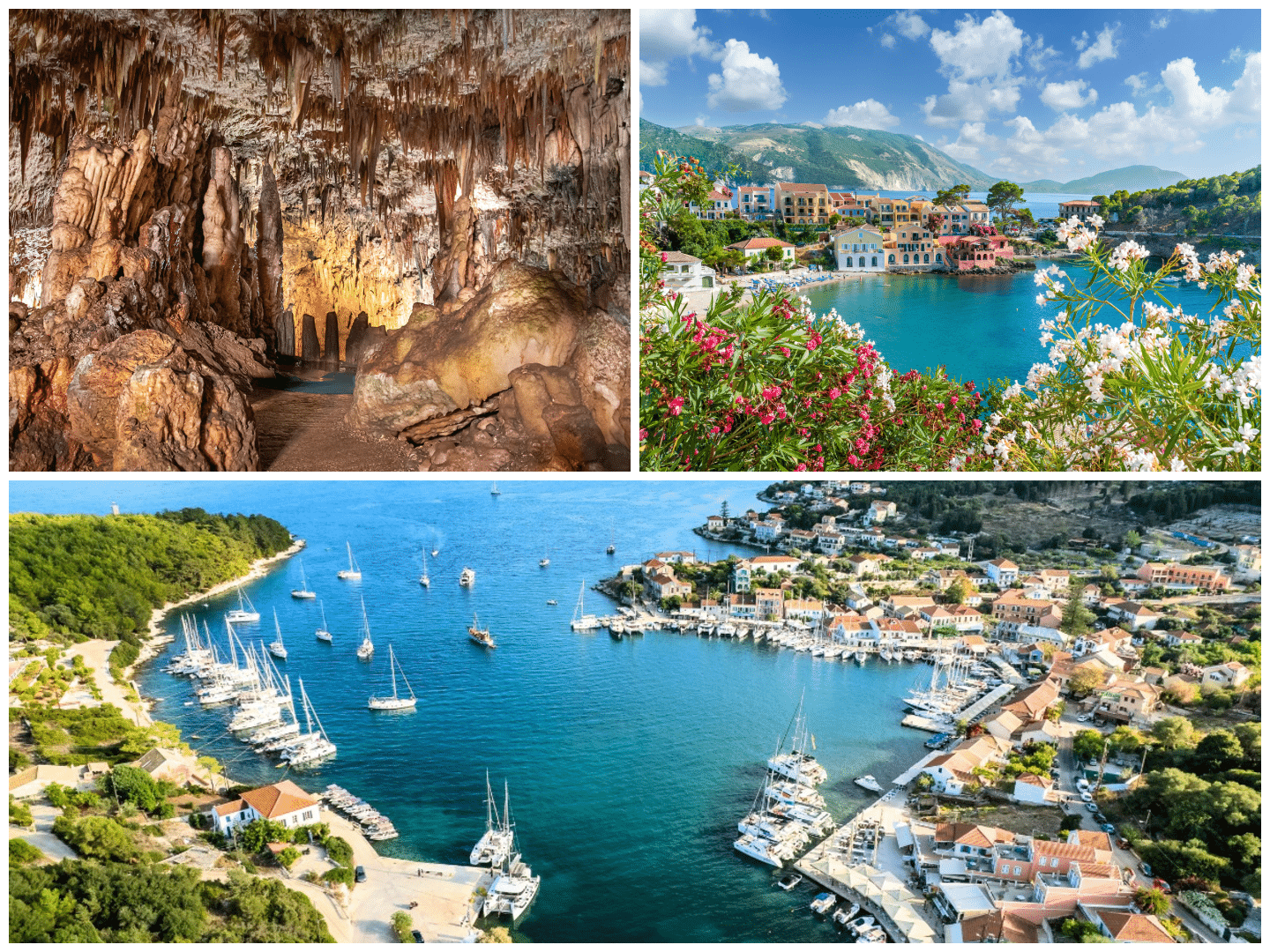
The island has green mountains, including Mount Ainos National Park, dramatic cliffs, and various beaches. You can find white pebble beaches and long, golden sandy shores. Some popular spots are Myrtos Beach, famous for its bright white pebbles and clear turquoise water; Melissani Lake Cave, where sunlight creates a magical blue light in the underground lake; and Drogarati Cave, known for its impressive rock formations and good acoustics.
After a significant earthquake in 1953, some villages like Fiscardo and Assos survived or were rebuilt. Fiscardo has charming Venetian-style buildings, while Assos is a colorful village with a beautiful view from its castle. Kefalonia feels more traditional and authentic than other Greek islands. You can find quiet coves, enjoy local wines, and eat at family-run tavernas for an authentic taste of Greek island life.
Captain Corelli’s Mandolin and Its Connection to Kefalonia
The 2001 film Captain Corelli’s Mandolin, starring Nicolas Cage and Penélope Cruz, is deeply intertwined with the identity of Kefalonia. The movie, based on the novel by Louis de Bernières, tells a fictionalized love story set during the real-life Italian and German occupation of the island during World War II.
Kefalonia was chosen as the primary filming location to capture the island’s unique and dramatic landscapes. The eastern port town of Sami was a central location, with its streets and harbor being transformed to recreate the setting of the story. The film also showcased the stunning beauty of Antisamos Beach and the picturesque village of Assos, bringing Kefalonia’s breathtaking scenery to a global audience.
The movie’s release had a significant impact on the island, putting it on the map for international tourists. It created a surge in “film tourism,” with visitors eager to see the locations from the film and experience the culture and history depicted in the story. The film also shed light on a tragic event in the island’s history: the massacre of thousands of Italian soldiers by German forces in 1943.
How to Get There
Traveling to Kefalonia is easy. You can go by air or by sea, depending on where you’re coming from and how you prefer to travel.
By Plane
- Kefalonia International Airport (EFL): This is the main gateway to the island.
- Direct Flights: During the summer season (typically May to October), many European cities, especially in the UK, Italy, and Germany, offer direct flights to Kefalonia. Airlines like Ryanair, easyJet, and TUI have seasonal routes.
- Flights from Athens: For year-round access or if you are flying from a location without a direct route, you can fly to Athens International Airport (ATH) and then take a short 45-minute domestic flight to Kefalonia. This is a widespread way to reach the island from anywhere in the world.
By Ferry
Ferries are a popular and scenic way to get to Kefalonia, especially if you’re traveling from the Greek mainland or a nearby island.
- From the Greek Mainland: The most common ferry routes are from the western Peloponnese.
- Kyllini to Poros: This is the most popular and fastest route, with a journey time of approximately 1.5 hours. Ferries on this route run year-round and are operated by Levante Ferries.
- Patras to Sami: This route is longer (around 3 hours) and usually operates during the high season.
- From Other Ionian Islands: Kefalonia is well-connected to its Ionian neighbors.
- From Zakynthos: There are two main ferry routes connecting Zakynthos and Kefalonia. The quickest is from Agios Nikolaos port on Zakynthos to Pessada in southern Kefalonia, which takes about 1.5 hours.
- From Ithaca: You can take a short ferry ride from the port of Pisaetos in Ithaca to the port of Sami on Kefalonia, with a journey time of only 20-30 minutes.
- From Lefkada: During the summer, there are connections from the port of Nidri or Vassiliki on Lefkada to Fiscardo on the northern tip of Kefalonia.
- From Italy: In the high season, there may be a weekly ferry connection from the Italian port of Bari to the port of Sami in Kefalonia, with a travel time of around 17 hours.
Getting around the island
Getting around Kefalonia, the largest of the Ionian Islands, is different from navigating smaller islands like Zakynthos. Due to its size and mountainous terrain, having a personal vehicle is highly recommended if you want to explore freely.
Rental Car or Motorbike
For most travelers, a rental car is the best way to get around Kefalonia.
- Ultimate Freedom: The island’s most famous attractions, like Myrtos Beach and Fiscardo, are in different areas. Having a car allows you to create your own itinerary, visit secluded beaches, and explore charming inland villages without being tied to a bus schedule.
- Convenience: Rental agencies are available at the airport, main ports (Argostoli and Sami), and in larger towns. It’s highly recommended to book your vehicle in advance, especially during the high season, as demand can be high.
- Driving Conditions: The roads are generally well-maintained, but they can be narrow and winding, particularly in the mountainous regions. It’s also important to be aware of the local driving habits.
Public Bus (KTEL)
Kefalonia has a public bus system (KTEL) that connects the main towns and tourist spots. It is a very affordable option, but it has some limitations.
- Main Hubs: The central bus station is in Argostoli, and buses connect the capital to other major towns like Sami, Poros, Skala, and Lixouri. There are also routes to popular beaches like Myrtos Beach, though they may not be as frequent.
- Limitations: Bus routes can be infrequent, especially in the low season or to more remote villages. The schedules might not always be ideal for a day trip, as there may only be one bus out and one bus back per day for some destinations.
Taxis and Private Transfers
Taxis are available in major towns like Argostoli, Sami, and Skala. This can be a good option for short trips or if you don’t want to drive.
- Convenience: Taxis are a good choice for transfers from the airport to your accommodation. For longer journeys, they can be an expensive option.
- Booking in Advance: During the peak season, it’s a good idea to book a taxi in advance to avoid long waits, especially at the airport or ferry ports.
Local Ferry
There is a local ferry service that connects the capital, Argostoli, with the town of Lixouri on the opposite side of the bay.
- Time Saver: This short ferry trip is an excellent way to save time and avoid a long drive around the bay. The crossing takes only about 30 minutes, which is much faster than the 35 km drive by road.
Organized Tours
If you want a stress-free way to see the main sights, organized tours are a great option. Many local tour companies offer excursions that include transportation to the island’s most famous spots, like Myrtos Beach, Melissani Cave, and Fiscardo. This allows you to sit back and enjoy the scenery without the hassle of driving or navigating public transport.
What to do and see on Kefalonia?
Firstly, Kefalonia is a gorgeous island with a diverse landscape and a wealth of attractions, from breathtaking beaches and unique natural phenomena to charming villages and historical sites. Therefore, here’s a guide to what to do and see on this beautiful island.
Iconic Natural Wonders
Kefalonia is a beach lover’s paradise, with a coastline that offers an incredible variety of scenes and experiences. From world-famous landmarks to secluded, hidden gems, the island has something for everyone.

Myrtos Beach
Myrtos is the most famous beach in Kefalonia and one of the most beautiful beaches in Greece. It features a large crescent of bright white pebbles and clear, milky-blue waters surrounded by cliffs.
The beach has white pebbles instead of sand, so it’s a good idea to wear water shoes for comfort. The water gets deep quickly, and waves can be strong because the beach is open to the sea. This makes it less suitable for weak swimmers or young children when the sea is rough.
Myrtos is located on the northwest coast. You can reach it by a winding scenic road, but finding parking can be difficult in the summer. Many visitors choose to park at the top and take pictures from viewpoints that offer great views of the bay.
The beach has a small canteen, sunbeds, umbrellas, and public restrooms, but it does not have all the amenities of a large resort.
Fteri Beach
Fteri is a hidden beach on Kefalonia that feels like a secret paradise. It has beautiful white pebbles and clear turquoise waters, but getting there is not easy.
This beach offers seclusion and untouched natural beauty. There are no facilities, so you need to bring your own food, water, and shade. The white pebbles can be hard to walk on, so wear water shoes.
You can reach Fteri only by boat or by hiking. The easiest and most scenic way is by taking a water taxi from the small harbor of Zola. If you choose to hike, be ready for an arduous one-hour trek that requires good shoes. This option is not recommended for families with small children or people with mobility issues.
Petani Beach
Petani is a beautiful beach located on the western Paliki peninsula. It is often compared to Myrtos because of its stunning scenery, but it is less crowded. The beach has a mix of white pebbles and gravel, with clear, deep blue water that is great for swimming and snorkeling. You can enjoy a traditional meal at one of the beachside restaurants.
You can reach Petani by a winding road that goes down from the mountains, providing great views along the way. The beach is known for its incredible sunsets. Since it faces west, the sky lights up with warm colors as the sun sets.
Antisamos Beach
Antisamos Beach is a stunning location on the eastern side of the island. It features lush green hills and clear, deep-blue water. The beach is well-equipped with many sunbeds, umbrellas, and lively beach bars that serve food and drinks. It’s an excellent place for water sports like snorkeling and diving because of its rich marine life. The beach has small, white pebbles, and the water gets deep quickly.
You can reach Antisamos with a short and scenic drive from the port town of Sami. The road is smooth, and there is free, spacious parking available at the beach. The beach became more popular after being featured in the Hollywood film Captain Corelli’s Mandolin.
Xi Beach
Xi Beach is a family-friendly beach on the Paliki peninsula, known for its reddish-orange sand. The sand has clay that many people believe has healing properties, and visitors often rub it on their skin. The water is shallow for a long way out, making it a safe choice for families with young children.
Xi Beach is easy to reach by a paved road. It has sunbeds, umbrellas, and several beach bars and restaurants. The reddish-orange sand looks great against the bright white cliffs behind it, creating a unique and memorable view.
Melissani Cave
Melissani Cave is a famous attraction in Kefalonia. It is an underground lake with a roof that collapsed, creating a stunning natural light show. Seawater flows underground to the lake from sinkholes on the island.
The best reason to visit Melissani is to see the beautiful light effects. An earthquake in 1953 created a large opening in the cave’s roof. When the sun shines, its rays light up the clear water, creating a deep blue color. The water reflects the light, making the cave feel magical.
Melissani Cave is a good example of how water changes limestone over thousands of years. The lake has both fresh and seawater.
The cave is also known as the “Cave of the Nymphs.” According to Greek mythology, a nymph named Melissani drowned herself in the lake because she loved the god Pan but was not loved back. Archaeologists found artifacts from the 4th century B.C., showing the cave was a worship site for Pan and the nymphs.
Visitors can only see the cave by taking a short guided boat tour. The boatmen often share stories about the cave’s history and geology, and sometimes sing traditional songs to add to the experience.
The best time to visit Melissani Cave for the whole light-and-color experience is between 11:30 AM and 2:00 PM on a sunny day. This is when the sun is directly overhead, and the light hits the water at the perfect angle to create its famous dazzling blue color. However, this is also the busiest time, so be prepared for crowds and a potential wait.
Other sights
- Drogarati Cave: Located just a short drive from Melissani, this impressive cave is known for its magnificent stalactites and stalagmites. Its large main chamber has excellent acoustics and has even been used for concerts.
- Mount Ainos National Park: As the only national park on a Greek island, Mount Ainos offers a refreshing change of scenery. You can hike through a forest of unique black fir trees and enjoy panoramic views of the entire island and its Ionian neighbors.
Charming Villages and Towns
Fiscardo
This picturesque and cosmopolitan village on the northern tip of the island was one of the few places to survive the 1953 earthquake. It has a beautiful harbor with colorful Venetian-style houses, chic restaurants, and a sophisticated atmosphere. It’s a favorite stop for yachts.
Assos
An idyllic and tranquil village built on a narrow peninsula. Walk through its colorful, winding streets and then hike up to the ruins of a Venetian castle for incredible views over the village and the bay.
Argostoli
The vibrant capital of Kefalonia. You can take a stroll along the harbor, spot the loggerhead sea turtles that come to feed on fish in the mornings, and walk across the historic De Bosset Bridge. The town has a lively central square and a pedestrianized shopping street.
Sami
A charming port town and a good base for exploring the nearby caves (Melissani and Drogarati) and the famous Antisamos Beach.
Other Activities and Sights
- Beach Hopping: With over 40 beaches, Kefalonia offers endless opportunities for beach lovers.
- Wine Tasting: Kefalonia has a rich winemaking tradition. Visit a local winery, such as Gentilini or Robola Cooperative, to sample local wines, particularly the dry white Robola, which is unique to the island.
- Historical Sites: Explore the island’s history at sites like the Castle of Saint George, the ancient city of Sami, or the Sacred Monastery of Agios Gerasimos, the patron saint of the island.
Best Day Trips
Kefalonia’s size and diverse landscape make it perfect for a day trip, whether you’re exploring on your own or with an organized tour. Here are some of the best day trip ideas that cover the island’s highlights.
The Classic North Island Tour
This trip is a must-do and combines some of Kefalonia’s most iconic sights.
- Itinerary: Start your day by driving north towards Melissani Lake Cave and Drogarati Cave. After exploring these unique geological wonders, continue to the breathtaking Myrtos Beach viewpoint for that perfect photo opportunity. The final destination is the picturesque fishing village of Fiscardo, where you can stroll along the Venetian-style harbor, have a late lunch, and enjoy the cosmopolitan atmosphere.
- How to Do It: This is best done with a rental car, as it allows you to move at your own pace. In addition, many tour companies also offer full-day bus tours that cover all these locations.
The West Coast and Paliki Peninsula Tour
This trip focuses on the less-crowded but equally stunning western side of the island.
- Itinerary: Take the short ferry from Argostoli to Lixouri to save time. From there, head to Petani Beach, which offers a similar beauty to Myrtos but with a more laid-back vibe. Please continue to the unique Xi Beach, known for its reddish-orange sand and therapeutic clay cliffs. Spend the day enjoying the scenery and swimming.
- How to Do It: A rental car is essential for this trip due to the dispersed locations.
Best Day Trips from Kefalonia
Kefalonia’s location makes it a great starting point for visiting other islands in the Ionian Sea, particularly Zakynthos and Ithaca.
Day Trip to Ithaca
Known as the mythical home of Odysseus, Ithaca is a beautiful and tranquil island just a short ferry ride away.
- How to Get There: Ferries run daily from the port of Sami in Kefalonia to the seaport of Pisaetos in Ithaca. The journey takes only about 30 minutes. You can also take a ferry from Fiscardo to the northern port of Frikes in Ithaca.
- What to Do: Once on Ithaca, you can explore the charming main town of Vathy, visit the picturesque villages of Kioni and Frikes, and enjoy swimming in secluded coves. You’ll find a more authentic Greek island atmosphere here, as it’s much quieter than its neighbors.
Day Trip to Zakynthos
While many visitors see these two islands as a “one or the other” choice, it’s possible to do a day trip to see Zakynthos‘ most famous sights.
- How to Get There: You can take a ferry from Pessada in southern Kefalonia to Agios Nikolaos on the northern tip of Zakynthos. The ferry ride takes about 1.5 hours.
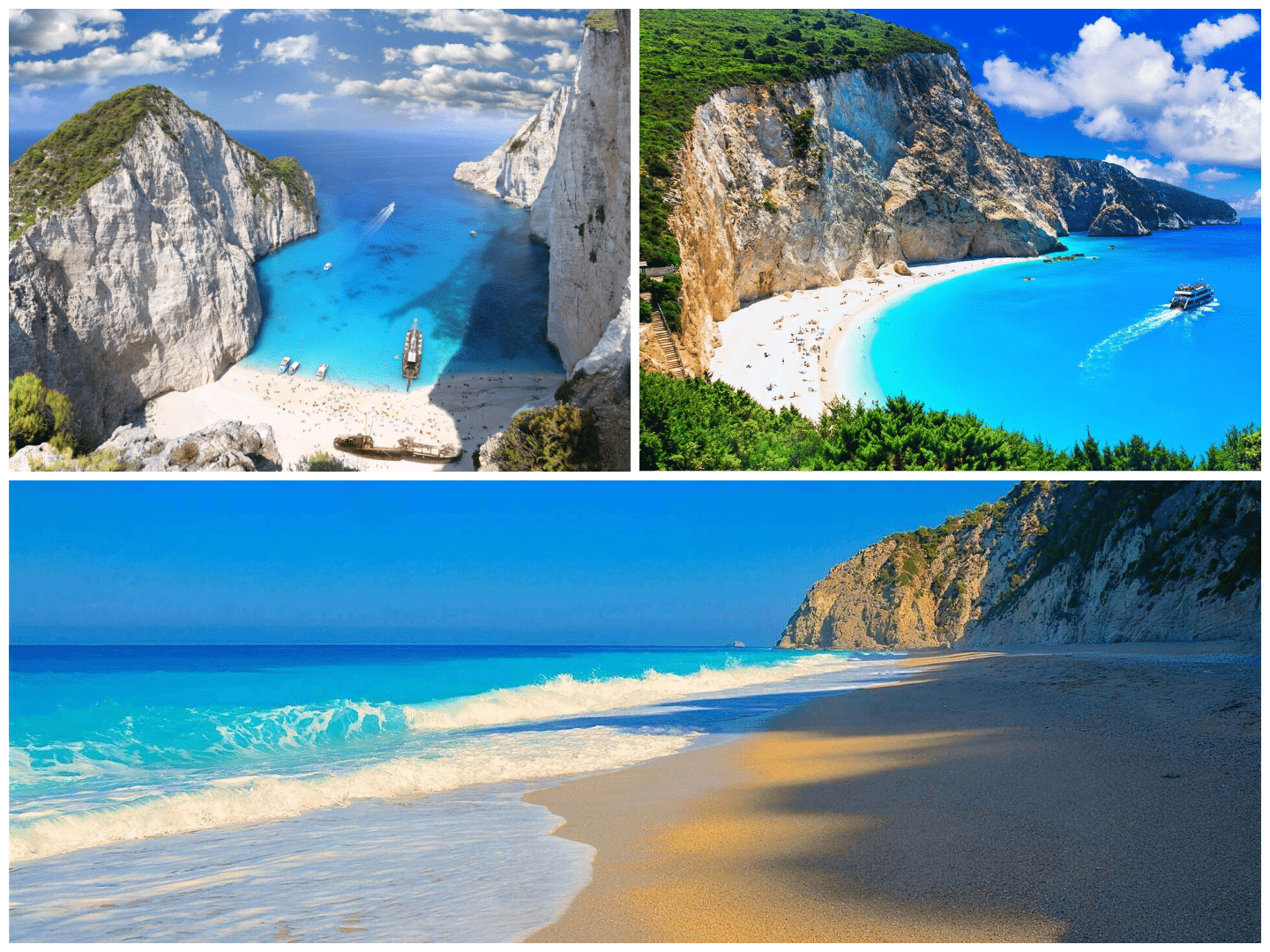
- What to Do: Because of the travel time, the best way to do this trip is with an organized tour that picks you up at the ferry port and takes you directly to the highlights. These tours often focus on a boat trip to the famous Navagio (Shipwreck) Beach and the Blue Caves—the two main reasons to visit this side of Zakynthos.
Day Trip to Lefkada
Lefkada, a beautiful island to the north of Kefalonia, is known for its incredible white-sand beaches and turquoise water.
- How to Get There: There is a ferry from the port of Fiscardo in Kefalonia to the port of Vassiliki on Lefkada. The trip takes just over an hour.
- What to Do: The main reason to visit Lefkada for a day is to experience its world-famous beaches. From Vassiliki, you can easily access Porto Katsiki and Egremni, two of the most stunning beaches in all of Greece, known for their white cliffs and unreal blue water.
When to Visit Kefalonia
The best time to visit Kefalonia depends on the type of vacation you’re looking for, from a bustling beach holiday to a quiet nature retreat.
High Season (July – August)
This is the peak of summer, and Kefalonia is at its most vibrant. The weather is hot and sunny, with average temperatures over 30∘°C, and the sea is perfectly warm for swimming. All hotels, restaurants, and attractions are fully open and buzzing with activity. However, you should expect large crowds at popular sites like Myrtos Beach and Melissani Cave, and prices for flights and accommodation will be at their highest.
Shoulder Season (May, June & September)
This is widely considered the ideal time to visit Kefalonia. The weather is warm and pleasant, ranging from 22∘°C to 28∘°C, and the sea is warm enough for comfortable swimming. The island is less crowded, allowing for a more relaxed experience at beaches and villages. This period is also excellent for hiking and exploring the island’s natural beauty, as the temperatures are not as intense as in high summer.
Low Season (April & October)
The weather is mild but can be unpredictable, with an increased chance of rain. Many tourist-oriented businesses may be closed. However, if you’re looking for a quiet, peaceful trip, this is a great option. The landscape is lush and green, and the island is perfect for hiking and experiencing authentic local life. The sea is still warm enough for a swim in early October.
How Long to Stay in Kefalonia
Because Kefalonia is a large island with a wide array of attractions, you’ll need more time to explore it appropriately compared to smaller Greek islands.
- 3 to 4 Days: This is a reasonable amount of time for a quick visit. You can see the absolute highlights, such as Myrtos Beach, Melissani Cave, and the charming village of Fiscardo. Still, you will need a car and a well-planned itinerary to fit everything in.
- 5 to 7 Days: A week is the most popular duration and is highly recommended. It allows you to explore the different regions of the island without feeling rushed. You can spend a couple of days on the western Paliki peninsula, a day exploring the north, and another enjoying the beaches and sights near Argostoli. This duration also gives you time for a day trip to the nearby island of Ithaca.
- 10 Days or More: If you want to see everything Kefalonia has to offer and truly immerse yourself in the island’s culture, a stay of 10 days or more is perfect. This allows you to visit remote beaches, discover hidden villages, enjoy multiple day trips, and relax without a packed schedule.
Where to Stay (Best Areas)
When choosing where to stay in Kefalonia, the best area depends on your travel style. Here is a guide to some of the top destinations on the island for different types of travelers, based on your request and a review of hotels that may suit your needs.
Solo Travelers & Families
The areas most suitable for solo travelers and families often overlap, as they both benefit from a well-rounded mix of activities, safety, and convenience.
- Argostoli: As the capital, Argostoli is an excellent base for exploring the entire island. It offers a lively atmosphere with a variety of restaurants, cafes, and shops. The pedestrian street, Lithostroto, and the central square, Platia Vallianou, are hubs of activity. You can also spot loggerhead turtles in the harbor, a fun and unique experience for all ages.
- Skala: This resort town is a popular choice for first-timers and families. It features a long, sandy beach and a wide range of amenities. The nightlife here is more lively than in other towns, but still family-friendly.
- Lassi: Located just south of Argostoli, Lassi is one of the island’s oldest resorts. It’s ideal for a beach holiday, with calm, clear waters and a balance of a large town’s comforts with a quieter village feel.
LGBT+ Travelers
While Kefalonia is generally a welcoming destination, some hotels are highlighted explicitly as LGBT+ friendly. While there isn’t a single dedicated “gay area,” many of the more cosmopolitan towns offer a more inclusive atmosphere.
- Hotels noted as welcoming: The search results mention several hotels as being LGBT+-friendly, including Palatino Hotel and Costa Azzurra Hotel, both in Kefalonia. Fiscardonna Luxury Suites and Anthemis Living are also highly rated options.
- Villas & Apartments: For more privacy or a home-like experience, consider villa rentals, which are plentiful across the island.
Partying
Kefalonia is not known for a wild, club-heavy nightlife like some other Greek islands. Instead, the evening scene is centered around lively bars, traditional tavernas, and relaxed beach bars.
- Argostoli: The capital city has the most concentrated nightlife, with modern clubs and large discos for dancing, as well as plenty of bars and tavernas.
- Skala, Lixouri, and Fiscardo: These towns also have a good selection of bars and places to spend the evenings, ranging from relaxed to more upbeat.
- Lassi: The main strip in Lassi, lined with music and cocktail bars, is an excellent place for a lively evening out.
Sustainable Tourism
For an eco-conscious vacation, look for accommodations that have committed to sustainability and villages that preserve local culture and nature.
- Eco-friendly accommodations: Several hotels have been recognized for their eco-friendly practices. Fiscardo Luxury Suites in Fiscardo, for example, has received the Green Key Award for its conservation efforts and commitment to protecting the local environment. Avali Sea Resort is also located in a “Natura 2000” special conservation area, blending luxury with a respect for the local ecosystem.
- Embracing local culture: In all areas of the island, you can support sustainable tourism by eating at traditional tavernas, buying local products, and engaging with the community. Many of Kefalonia’s evening experiences are rooted in authentic Greek culture, with a focus on local food and a relaxed, social atmosphere.
Safety and health tips in Kefalonia
Kefalonia is widely considered one of the safest and most family-friendly destinations in Greece. While violent crime is infrequent, it’s always wise to be aware of general travel safety practices.
General Health & Safety
- Medical Facilities: Kefalonia has a sound public health system. There are two leading hospitals: the General Hospital of Kefalonia in Argostoli and the Mantzavinatio Hospital in Lixouri. There are also health centers and private clinics in various towns across the island.
- Travel Insurance: It is highly recommended to have comprehensive travel insurance that includes medical coverage. While Greece is part of the European Union and visitors from other EU countries may have access to some medical services through their national health cards (like the UK’s GHIC), a private insurance policy will cover a broader range of services, including medical repatriation.
- Sun Protection: The sun can be powerful, especially in the summer. Wear high-SPF sunscreen, a hat, and sunglasses, and try to avoid prolonged exposure during the hottest hours of the day (11 AM to 3 PM).
- Insects: Mosquitoes are common in the summer, especially near standing water. Wasps can also be a nuisance, particularly at beaches and tavernas. It’s a good idea to bring insect repellent and be cautious.
- Wildfires: Greece is at a high risk of wildfires during the dry summer season. Be aware of your surroundings, avoid lighting fires or cigarettes in wooded areas, and follow all official warnings and advice from local authorities.
Safety Tips for Getting Around
- Driving: Renting a car is the best way to see the island, but be prepared for some challenging roads. The roads can be narrow, winding, and steep, especially in the mountainous areas. Drive defensively, obey speed limits, and be particularly careful on sharp turns.
- Roadside Assistance: When renting a car, check if your rental agreement includes roadside assistance. This can be very helpful if you have a flat tire or a breakdown.
- Taxis: Taxis are safe and reliable, but can be expensive for longer journeys. Make sure the driver is using the meter or agree on a price beforehand.
Water and Beach Safety
- Myrtos Beach: While stunningly beautiful, Myrtos Beach can be dangerous, especially on windy days. The seabed drops off sharply, and strong undercurrents can develop. Heed all posted warnings and red flags, and be cautious even when the water looks calm.
- Swimming: In general, Greek seas are safe, but it’s essential to be aware of your surroundings. Stay within your swimming abilities, and be cautious of strong waves or currents, particularly at exposed beaches.
- Sea Urchins: Be mindful of sea urchins, which can be found on rocky parts of the seabed. It’s a good idea to wear water shoes, especially if you plan to swim in rocky coves.
Other Safety Tips
- Petty Crime: While Kefalonia has a very low crime rate, petty theft can occur in crowded tourist areas. Be mindful of your belongings in busy spots like Argostoli and at popular beaches.
- Earthquakes: Kefalonia is located in an active seismic zone. While major earthquakes are rare, visitors are advised to familiarize themselves with basic earthquake safety procedures, such as identifying a safe spot in their accommodation.
Take a look at
Breathtaking Greek islands
Greece has become one of the world’s most desired destinations in recent decades, especially Athens and the Greek islands. We
Most alluring Naxos Beaches
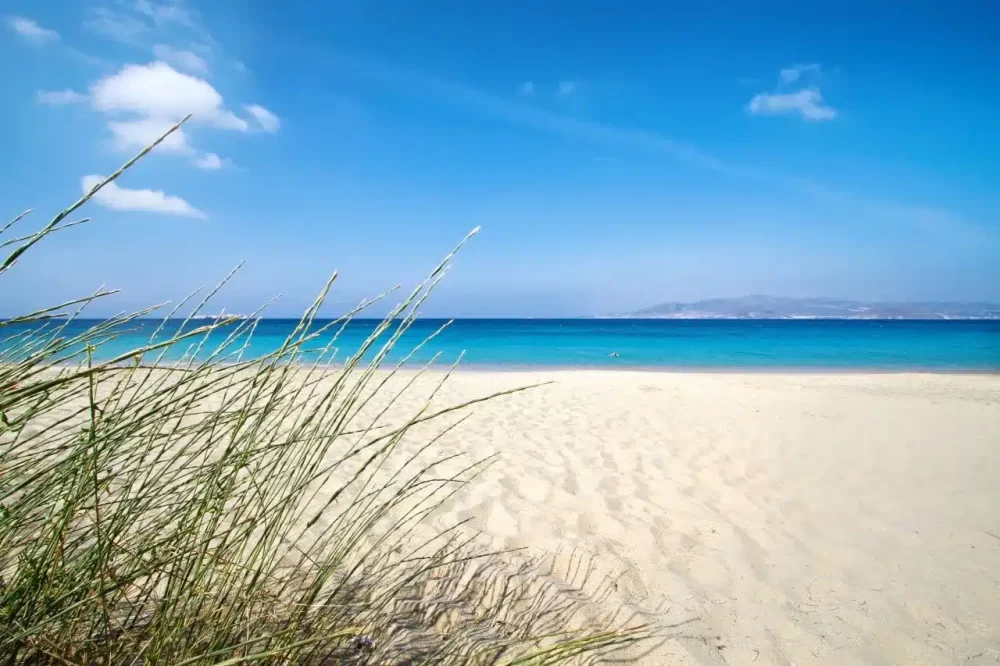
Naxos beaches are known for their delicate sand and crystal blue waters. The most enchanting sandy beaches are located on
Alluring Sporades
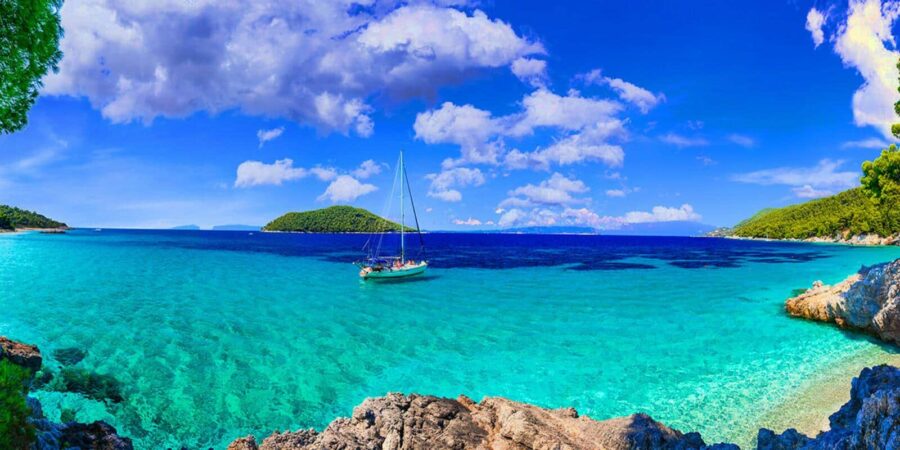
Alluring Sporades consists of 4 larger islands in Greece, Skiathos, Skopelos, Alonissos, and Skyros, as well as several small and
References and sources:
Photo credits:
Featured photo ©ShutterStock