
Corfu has always held a special place in Greece’s heart, recognized for its history as a haven for European aristocracy. This short guide will highlight the island’s most beautiful spots and provide valuable tips and tricks for safer and more enjoyable travel.
©Expedia
Our website includes affiliate links. So, remember that we may receive commissions when you click our links and make purchases. Please read our legal disclaimer document for more information about our Affiliate disclaimer and other disclaimers like the Fair-Use disclaimer.
Why You Should Go to Corfu
Corfu (Ionian Islands) is a beautiful island in the Ionian Sea and a popular destination. It has a rich history, diverse culture, and stunning natural beauty. Unlike many Greek islands, Corfu was never ruled by the Ottoman Empire. Instead, it was controlled by the Venetians, the French, and the British. You can see this history in Corfu Town, which is a UNESCO World Heritage Site.
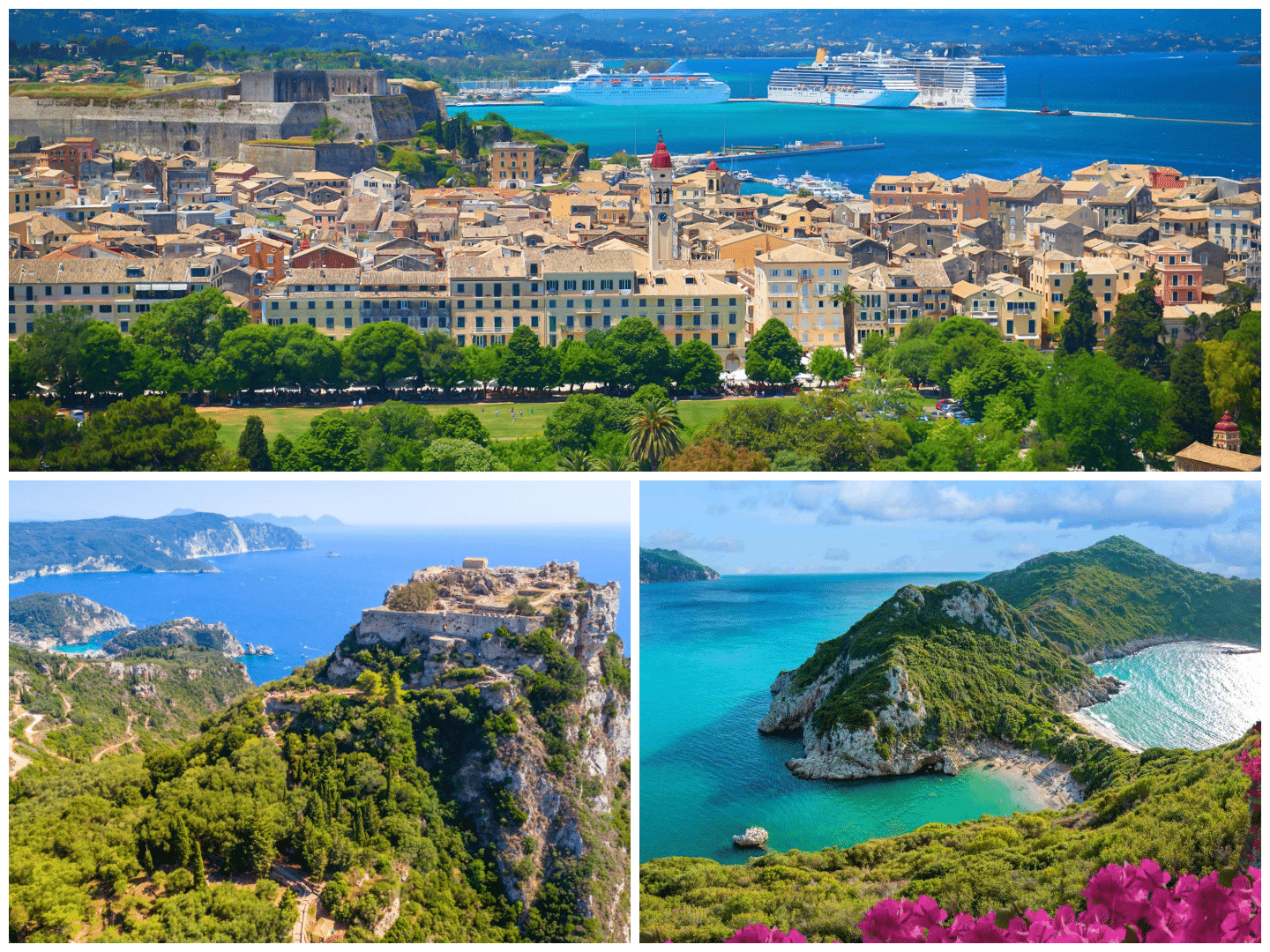
You can walk through the narrow streets of Corfu Town, which remind many visitors of Italy. The town has colorful buildings and lovely squares. The Old and New Fortresses are also in Corfu Town and offer beautiful views of the area.
Furthermore, Corfu is known as “the green island” because of its lush landscape filled with olive trees and cypress trees. You can hike on the Corfu Trail, a 220 km path that goes through hills and traditional villages.
The island’s coastline offers many different beaches, from sandy areas to quiet coves. One popular beach requires a hike to reach, but the view is worth it.
Corfu has a unique food scene. Local dishes include sofrito (garlicky veal) and kumquat liqueur. The nightlife ranges from quiet cocktail bars in Corfu Town to lively resorts in Kavos. If you visit during the shoulder season, you might experience the famous Corfu Easter or the International Folklore Festival, which showcases local traditions.
How to Get There
Getting to Corfu is very easy, as it has an international airport and is a significant hub for ferry travel in the Ionian Sea. Your travel options depend mainly on your departure location.
From Europe
For most travelers from Europe, flying is the easiest and fastest way to get to Corfu.
- By Air: Corfu International Airport (CFU) has direct, seasonal flights from dozens of European cities. These flights are most frequent from April to October.
- Major Hubs: You can find regular direct flights from major hubs like London (LHR, LGW, STN), Milan (MXP), Rome (FCO), Manchester (MAN), Amsterdam (AMS), and Paris (CDG).
- Low-Cost Carriers: Budget airlines like Ryanair, easyJet, Wizz Air, and Jet2 offer a wide selection of affordable direct flights from various cities across Europe, including Dublin, Vienna, Berlin, Brussels, and Budapest.
- By Ferry: Traveling by ferry is a popular option, especially if you want to bring your car.
- From Italy: The most popular international ferry routes connect Corfu to Italian ports, including Ancona, Bari, Brindisi, and Venice. The journey time ranges from as little as 6 hours from Brindisi to over 20 hours from Venice.
- From Albania: There are very frequent and fast ferry connections from Saranda, Albania, taking only about 30-50 minutes.
From the USA and Other Parts of the World
There are no direct flights to Corfu from the USA or other continents. You will need to fly to a central European hub and then take a connecting flight or a ferry.
- By Air (Recommended): The most common route is to fly to a major European city with direct flights to Corfu.
- Major Hubs: Fly from your home airport to a well-connected European hub like Athens (ATH), London (LHR), Frankfurt (FRA), Munich (MUC), or Rome (FCO). From there, you can catch a direct connecting flight to Corfu.
- Travel Time: The total journey, including layover, can range from 12 to 20 hours, depending on your departure city and layover time.
- By Sea: While less common for long-haul travelers, you could combine a flight to a European city with a ferry.
From Mainland Greece
Getting to Corfu from mainland Greece is efficient and straightforward.
- By Air: There are daily flights from Athens (ATH) to Corfu (CFU) year-round. The flight takes about one hour.
- By Ferry: The most frequent ferry route is from Igoumenitsa, a port on the Greek mainland just a short distance from Corfu. The ferry crossing takes only about 1.5 hours and is a very affordable option.
How to move around Corfu
Getting around Corfu is easy. You have many choices that suit different travel styles and budgets. The best way to travel depends on how much freedom you want.
By Bus
Firstly, Corfu has an excellent and affordable public bus system, split into two networks:
- Blue Buses: These buses serve Corfu Town and the immediate surrounding areas, including popular resorts like Kanoni, Benitses, and Kontokali. They are an excellent choice for getting to and from the town center.
- Green Buses: These long-distance buses connect Corfu Town to the rest of the island, including all the major villages and beaches like Paleokastritsa, Sidari, and Kassiopi. The central bus station is located on Corfu Town’s outskirts.
Rental Car
For maximum freedom to explore, a rental car is your best option.
- Flexibility: A car allows you to discover secluded beaches, charming inland villages, and scenic viewpoints that are not on the bus routes.
- Getting Around: You can rent a car at the airport, port, or in major tourist areas. It’s highly recommended to book in advance, especially during the busy summer months.
- Driving Conditions: The roads are generally in good condition, but they can be narrow and winding, particularly in the northern part of the island.
Taxis and Transfers
Taxis are a convenient option for short trips or for getting to and from the airport.
- Availability: You can find taxis at designated stands in Corfu Town and major resorts. You can also book a private transfer in advance for a hassle-free journey.
- Cost: Taxis are more expensive than buses, especially for longer distances, so it’s a good idea to agree on a fare before starting your trip.
Other Options
- Scooter or Quad Bike: A scooter is a popular choice for navigating the island’s narrow roads and finding parking easily, especially in crowded towns. A quad bike is an excellent option for those who want a bit more power and stability.
- Boat Trips: Many towns offer boat trips to explore the coastline, visit nearby islets like Vido, or find beaches only accessible by sea. You can also rent a small boat and be your own captain for the day.
What to do and see on Corfu
Corfu offers a rich blend of history, natural beauty, and vibrant culture. From its UNESCO-listed Old Town to its stunning beaches and lush landscapes, there’s something to captivate every type of traveler.

The Corfu Town (Kerkyra)
The heart and soul of the island, Corfu Town, is a UNESCO World Heritage Site and an absolute must-see.
- Explore the Old Town: Wander through the labyrinthine “kantounia” (narrow alleyways) with their pastel-colored Venetian buildings, charming squares, and hidden courtyards.
- The Liston: This elegant pedestrian arcade, with its series of cafes and restaurants, is the perfect place to sit, have a coffee or a glass of local kumquat liqueur, and watch the world go by.
- The Fortresses: Visit the Old Fortress and the New Fortress. These impressive Venetian strongholds offer spectacular views of the town and the sea.
- Spianada Square: One of the largest squares in Greece, Spianada is a beautiful green space where locals play cricket (a leftover from British rule) and gather to socialize.
History and Culture
The island’s rich past has left a legacy of unique historical sites.
- Achilleion Palace: Located in the village of Gastouri, this stunning palace was built for Empress Elisabeth of Austria (Sisi) as her summer residence. It’s dedicated to the mythical hero Achilles and features beautiful gardens and impressive statues.
- Angelokastro: Perched on a dramatic cliff in the northwest of the island, this Byzantine castle offers one of the most stunning panoramic views of the sea and the western coastline.
- The Monastery of Paleokastritsa: Perched high on a hill above Paleokastritsa, this working monastery offers peaceful gardens and incredible views of the bays below.
Food and Local Experiences
- Try Local Cuisine: Don’t leave Corfu without trying its unique local dishes, which are heavily influenced by Venetian rule. Specialties include sofrito (veal in a garlicky white sauce), pastitsada (pasta with beef or rooster in a spicy tomato sauce), and local kumquat products.
- Explore Inland Villages: Drive into the mountainous interior to discover traditional stone villages that offer a glimpse into local life away from the tourist crowds.
- Go Hiking: The island’s verdant landscape is perfect for hiking. You can hike sections of the Corfu Trail or walk through the endless olive groves.
Natural Wonders and Beaches
Corfu’s coastline is incredibly diverse, with beaches ranging from sandy and organized to rugged and secluded.
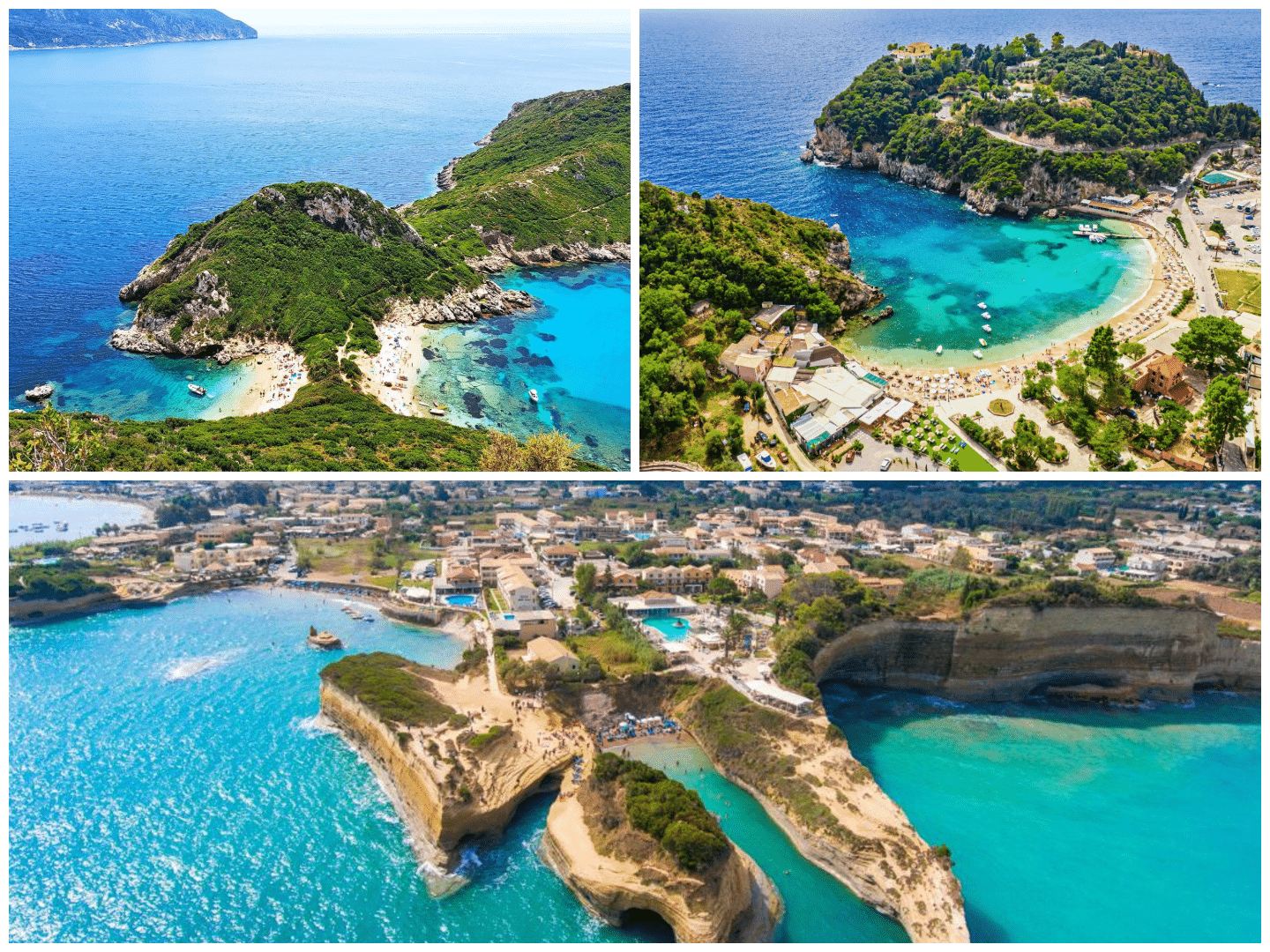
- Paleokastritsa: A legendary spot on the west coast, known for its crystal-clear turquoise waters and a series of six stunning coves surrounded by lush, green cliffs. You can rent a boat to explore the sea caves.
- Porto Timoni: This famous double-sided beach near the village of Afionas is a spectacular sight. It requires a hike to reach, but the effort is rewarded with breathtaking views and a secluded atmosphere.
- Canal d’Amour: Located in Sidari, this unique natural formation consists of sandstone cliffs that the sea has carved into a series of channels and coves. Legend says that couples who swim through the primary channel will stay together forever.
- Logas Beach: Known as “Sunset Beach,” this spot in Peroulades offers an incredible view as the sun sinks below the horizon, turning the sky into a palette of fiery colors.
Best Day Trips in Corfu
Corfu’s diverse landscape and prime location make it a perfect starting point for a variety of day trips, both on the island itself and to nearby destinations.
These excursions are ideal for exploring more of the island’s unique charm.
- Paleokastritsa & Angelokastro: This is a classic day trip to the stunning west coast. Explore the beautiful coves and sea caves of Paleokastritsa by boat or with a kayak rental. Then, drive up to the dramatic Angelokastro fortress, perched on a clifftop, for breathtaking panoramic views of the Ionian Sea.
- Northern Corfu Villages & Coastline: Drive north to discover the charming villages and dramatic scenery. Stop at the famous Porto Timoni double-sided beach (requires a hike), then continue to the legendary Canal d’Amour in Sidari. Finish your tour by exploring the picturesque coastal villages of Kassiopi or Agios Stefanos.
- Achilleion Palace & Corfu Town: This is an excellent trip for history and culture lovers. Start by visiting the stunning Achilleion Palace, built by Empress Sisi of Austria. Afterward, head to the bustling capital, Corfu Town, where you can spend the rest of your day exploring the old town, the fortress, and the vibrant Liston arcade.
©ShutterStock
Day Trips from Corfu to Nearby Places
Corfu’s location makes it a gateway to some of the most beautiful spots in the Ionian and even beyond.
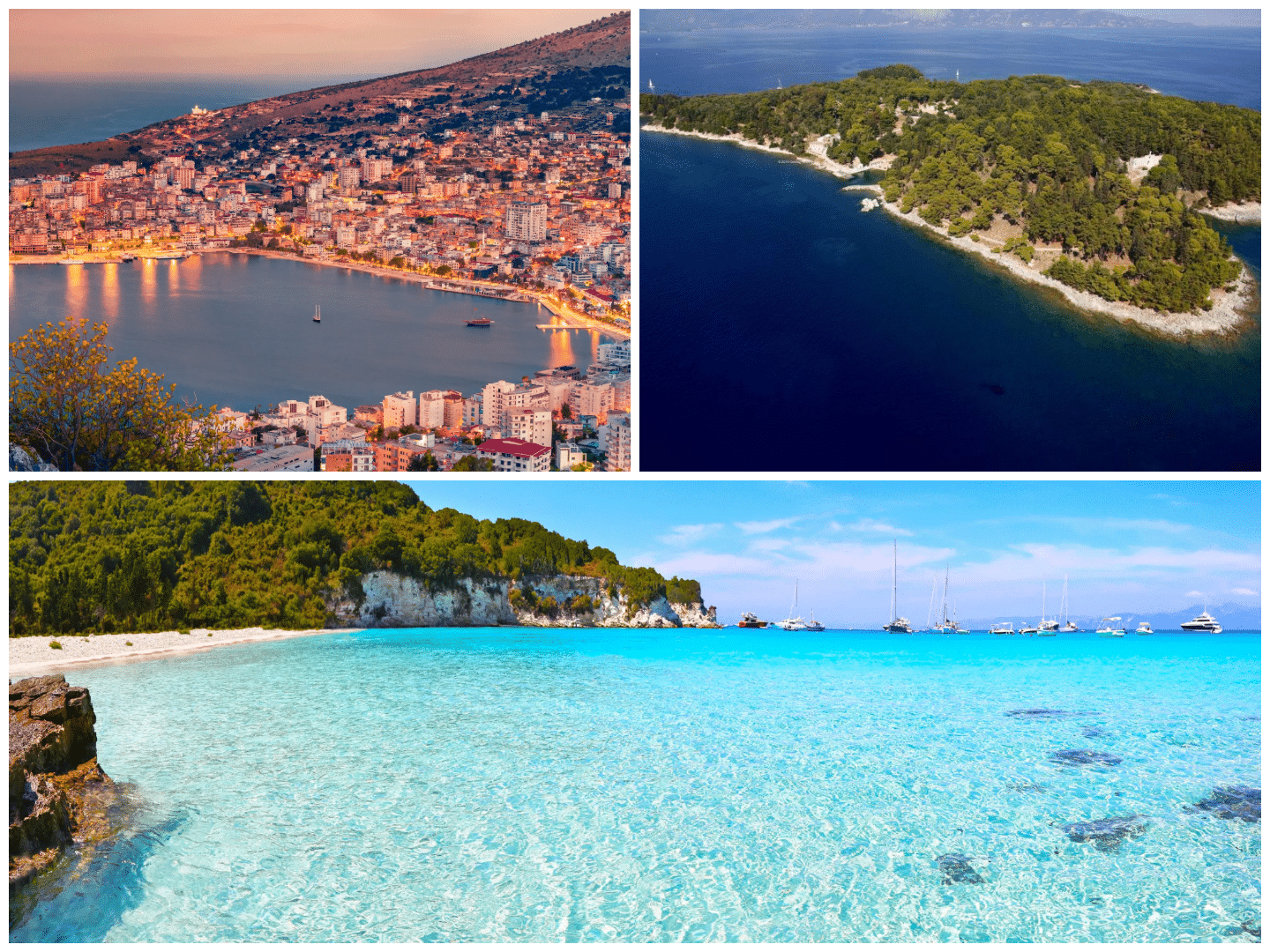
- Paxos & Antipaxos Cruise: This is one of the most popular day trips from Corfu. You can take a full-day cruise to the idyllic, smaller islands of Paxos and Antipaxos. The cruise will typically include a stop in the charming main town of Gaios on Paxos, and a swim stop in the impossibly turquoise waters of Voutoumi Beach on Antipaxos. Many tours also visit the impressive Blue Caves on the western coast of Paxos.
- Day Trip to Albania: A fascinating and popular excursion is a day trip to the Albanian town of Saranda. The fast ferry takes only 30-50 minutes. Most tours include a visit to the ancient city of Butrint, a UNESCO World Heritage Site with an impressive Roman amphitheater and an ancient basilica, offering a glimpse into a different culture and history.
- Trip to Vido Island: For a shorter trip, take a small boat or water taxi from Corfu Town to the nearby islet of Vido. It’s a peaceful nature reserve with beaches and a small monastery. It also holds a significant historical connection to the Serbian army during World War I.
When to Visit Corfu
Corfu offers a distinct experience in each season, so the best time to visit depends on your preferences for weather, crowds, and activities.
High Season (July – August)
This is the peak of summer, perfect for those who want a lively, sun-soaked vacation. The weather is hot and sunny, with average temperatures over 30∘°C, and the sea is at its warmest. All tourist services, from beach bars to restaurants, are fully operational. However, be prepared for large crowds at popular beaches and attractions, and higher prices for flights and accommodation.
Shoulder Season (May, June & September)
This is widely considered the ideal time to visit. The weather is warm and pleasant, ranging from 22∘°C to 28∘°C, and the sea is warm enough for swimming. The island is less crowded than in the high season, making it easier to explore and relax. This period is also excellent for outdoor activities like hiking and cycling without the intense summer heat.
Low Season (April & October)
The weather is mild and can be unpredictable with a higher chance of rain. Many tourist businesses will be closed or operating on reduced hours. However, if you are looking for a quiet, peaceful trip, this is a great option. The landscape is lush and green, and you can enjoy the island’s authentic culture without the crowds. April is especially unique due to the island’s world-famous Corfu Easter celebrations.
How Long to Stay in Corfu
The ideal length of your stay in Corfu depends on what you want to see and how deeply you want to experience the island. Due to its size and diverse attractions, a quick visit might only scratch the surface.
3 to 4 Days: The Highlights
This is a reasonable amount of time for a quick getaway to see the most iconic sights.
- What you can do: You’ll have time to explore the UNESCO-listed Corfu Old Town, visit the Achilleion Palace, and spend a day at one of the famous beaches like Paleokastritsa or Glyfada. This is an excellent option if you’re combining Corfu with a visit to mainland Greece or other Ionian islands.
- Best for: Travelers on a tight schedule or those who want a quick taste of the island’s culture and beauty.
5 to 7 Days: A Balanced Experience
A week is the most popular and recommended duration for a trip to Corfu. It allows you to explore the island’s main attractions without feeling rushed.
- What you can do: This gives you time to explore Corfu Town and its fortresses thoroughly, spend a day relaxing at a few different beaches (from sandy to pebbly), and take a day trip to either the beautiful neighboring islands of Paxos and Antipaxos or to mainland Albania.
- Best for: First-time visitors, families, and those who want a good mix of sightseeing, adventure, and relaxation.
10 Days or More: A Complete Immersion
If you have the luxury of time, a 10-day trip allows you to fully immerse yourself in the island’s culture and discover its hidden gems.
- What you can do: You can cover all the major sights and still have plenty of time for leisurely days. A more extended stay allows you to visit more remote villages and beaches, hike sections of the Corfu Trail, and get to know the local rhythm of life. You can also spend more time enjoying local cuisine and exploring different towns like Kassiopi and Sidari.
- Best for: Travelers who want a deep dive into the island, honeymooners, and those who wish to combine a beach vacation with extensive exploration.
Where to Stay (Best Areas)
Based on your interests and travel style, here is a guide to the best areas to stay in Corfu.
For Solo Travelers & Moving Around a Lot
- Corfu Town: The capital is the ideal base for solo travelers and anyone who wants to explore a lot. It’s a UNESCO World Heritage site with a vibrant atmosphere, a wide range of accommodation options, and a bustling social scene. The central bus station for the Green Bus network is located here, making it easy to take day trips to all parts of the island without a car.
For Families
- Acharavi: Located on the north coast, Acharavi is a long, sandy beach with shallow, calm waters, making it safe for children. The town has a variety of hotels, restaurants, and shops. Still, it maintains a relaxed atmosphere, unlike the more crowded resorts.
- Agios Gordios: This village on the west coast offers a beautiful, long sandy beach framed by dramatic cliffs. It’s known for its family-friendly restaurants and a laid-back vibe, providing an excellent base for a peaceful beach holiday.
- Paleokastritsa: While the beaches are pebbly and the water can be cold, Paleokastritsa is a stunningly beautiful area with excellent boat tours for exploring nearby caves and coves. It’s a great spot for an active, nature-focused family vacation.
For Partying
- Kavos: Located on the southernmost tip of the island, Kavos is the undisputed party capital of Corfu. It’s a haven for young tourists looking for a wild nightlife scene, with a central strip of bars and clubs that stay open until the early morning.
- Sidari: In the north, Sidari offers a more balanced party scene than Kavos. It’s a large resort town with a variety of bars and clubs. Still, it also has a calmer side with plenty of family-friendly attractions and beautiful beaches.
For LGBT+ Travelers
Corfu is widely known as a welcoming and tolerant destination for LGBT+ travelers. While there is no dedicated “gay village,” the island’s cosmopolitan and inclusive atmosphere is found in many of its towns.
- Corfu Town: The capital has the most established gay-friendly social scene. You’ll find a variety of sophisticated bars and cafes that are popular with both locals and tourists.
- Gouvia: This resort town is home to many gay-friendly hotels, bars, and clubs. It’s a popular choice due to its vibrant atmosphere and proximity to Corfu Town and other major attractions.
For Staying Near Beaches
- Glyfada Beach: This is one of the most popular sandy beaches on the island’s west coast. It’s well-organized with sunbeds, restaurants, and a lively atmosphere. If your priority is a classic beach holiday, staying in Glyfada is a great choice.
- Paleokastritsa: Although known for its dramatic scenery, it has six small, beautiful bays with calm, clear water, making it perfect for a beach-centric holiday. You can easily rent a boat to discover a new, secluded cove every day.
To Move Around a Lot
- Corfu Town: As mentioned, the capital is the island’s transportation hub. The main Green Bus terminal is here, connecting the town to all major villages and beaches. From the port, you can also easily take day trips to Paxos, Antipaxos, and Albania.
- Gouvia: Located just north of Corfu Town, Gouvia is a well-placed resort with a large marina. It offers easy access to the leading road network, making it a good base for travelers with a rental car who want to explore different parts of the island each day.
Safety and health tips
Corfu is a very safe and welcoming destination for tourists, with a low crime rate. However, like any travel destination, it is wise to be aware of general safety and health tips to ensure a smooth and pleasant trip.
General Health Tips
- Sun Protection: The sun can be powerful, especially in the summer. Use high-SPF sunscreen, wear a hat and sunglasses, and try to avoid prolonged sun exposure during the hottest hours of the day (11 AM to 3 PM).
- Hydration: Always carry a water bottle to stay hydrated, as heat exhaustion and heatstroke are real risks. While the tap water is generally considered safe to drink, many locals and tourists prefer bottled water.
- Medical Facilities: Corfu has a well-regarded public hospital, the General Hospital of Corfu, located in Corfu Town. There are also private medical clinics and pharmacies available in major towns and tourist areas.
- Travel Insurance: It is highly recommended to have comprehensive travel insurance that includes medical coverage. While European citizens have access to the public health system, a private insurance policy will cover a broader range of services, including medical repatriation if needed.
- Insects: Mosquitoes are common, especially in the evenings and near marshy areas. It’s a good idea to bring insect repellent and consider using a mosquito net if staying in a rural area.
General Safety Tips
- Petty Crime: While violent crime is rare, petty theft, like pickpocketing, can occur in crowded tourist areas and on the beach. Be mindful of your belongings in busy spots like Corfu Town and at popular beaches.
- Driving: The roads on Corfu can be narrow, winding, and steep, particularly in the northern and western parts of the island. Drive carefully, especially on blind corners, and be aware of other drivers on the road. Parking can also be challenging in Corfu Town and at popular beaches.
- Water and Beach Safety: Be cautious when swimming, as the seabed can drop off suddenly at some of the famous beaches. Always follow local advice and posted warnings. Be aware of sea urchins in rocky areas and consider wearing water shoes.
- Scams: Be cautious of common tourist scams, such as overcharging for taxi fares. Always agree on a price beforehand or ensure the driver uses the meter.
- Earthquakes: Corfu is located in an active seismic zone. While major earthquakes are rare, visitors are advised to familiarize themselves with basic earthquake safety procedures, such as staying calm and finding a sturdy shelter if an earthquake occurs.
We hope you have enjoyed reading our Corfu Guide. If you have a few more tips and suggestions that we left out, you are welcome to share them with us in the comments below.
Take a look at

Why you should visit Kefalonia
This travel guide’s primary goal is to provide a comprehensive and practical resource for anyone planning a trip to Kefalonia.
Breathtaking Greek islands
Greece has become one of the world’s most desired destinations in recent decades, especially Athens and the Greek islands. We

Mamma Mia’s Skopelos
In this short Skopelos Guide, we will inform you of why you should visit this beautiful island. Furthermore, we will
References and sources:
Photo credits:
©Expedia/Getty