
Ready to drive through Europe? The hardest part isn’t always driving. Fueling up and parking can be the trickiest. If you’ve ever squeezed into a tiny Italian street or circled a Greek village for parking, you know the struggle. Want the secret? Know the local rules of the curb to save stress and enjoy your trip more.
Staying healthy on the road begins with your paperwork. From ensuring your ETIAS authorization is linked to your passport to carrying your European Health Insurance Card (EHIC), we’ve detailed everything you need in our guide to Travel and health documents—including a checklist of what to keep in your digital and physical wallet.
How to Fuel Up at Gas Stations in Europe Without the Stress
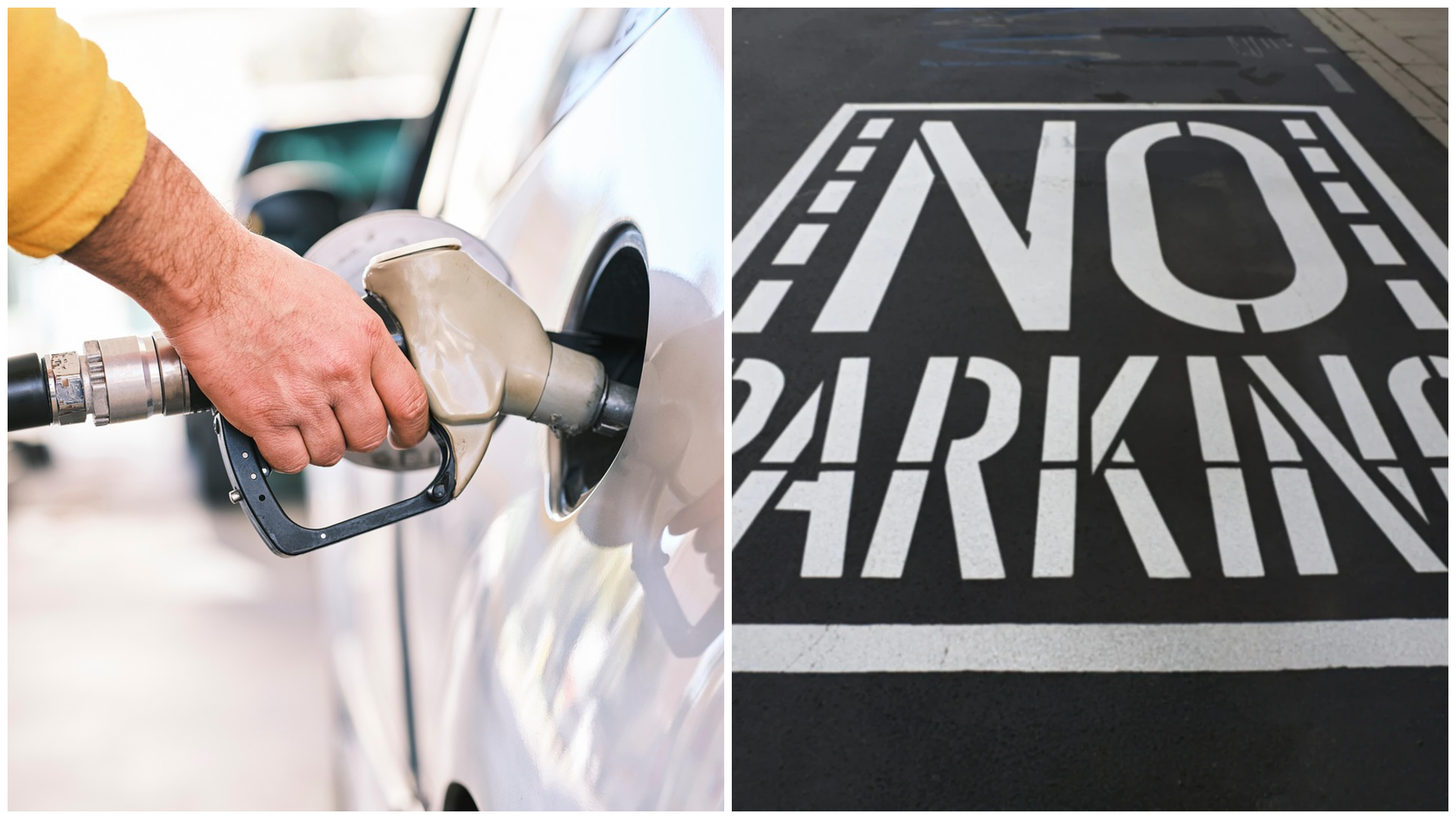
Gas stations in Europe—often called ‘Petrol Stations’—are everywhere, but there are quirks. Always check the fuel type: most rentals take Unleaded Petrol (95 or Senza Piombo), but some need Diesel. Pay attention!
At European gas stations, check for a sticker inside the fuel flap—it usually tells you what to use. Not sure? Color-coded handles help: green for petrol, black for Diesel. Mixing them up can mean no help from insurance—and your trip is over. Ouch!
Tip: In Italy, ‘Servito’ means staff pumps your gas—for a price. Want to save? Choose ‘Fai da te’ (Self-service). Evenings and Sundays often mean unattended stations, so use a credit card (with PIN) to pay at the machine before pumping.
When you’re at a self-service petrol station in the middle of the night or using an automated parking kiosk, your card is your most important tool—and your biggest vulnerability. We want to make sure you know how to spot a skimmer before you slide your card in Bank Card Safety for Travelers.
Understanding the Parking Color Code
- White Lines: These usually mean free parking, but always check the nearby signs for conditions. In Slovenia, a white line may require using a parking disc or may have a time limit. Double-check before leaving your car.
- Blue Lines: These mark paid parking areas. You need to pay at a meter or use an app like EasyPark, then display your ticket on the dashboard. In some places, blue lines may have specific time limits or operate only at certain hours—check signs for details.
- Yellow Lines: These are reserved zones—typically for residents, people with disabilities, or delivery vehicles. Parking here is usually forbidden unless you have a special permit. Parking in yellow-lined spots can result in getting towed or fined.
Example: Navigating the ZTL: Italy’s Invisible Fines
Driving in Italy? Watch for ZTLs (Zona Traffico Limitato), which restrict cars in historic centers. Only locals and registered vehicles are allowed. Not authorized? Stay out!
Enter a ZTL without permission (look for a white circle with a red border) and cameras record your plate. Rental drivers get fined through their rental company, often months later. Staying in a hotel inside a ZTL? Share your plate beforehand so the hotel can arrange access.
Parking Security and Safety
When to Skip the Rental Car
Embracing Urban Mobility: E-Bikes and Walking
Best Destinations for Train Connections
Want to ditch the car completely? There are so many fun, specific routes you can enjoy by train or ferry instead. Ready for some ideas?
Slovenia: You can easily take the train from Ljubljana to Lake Bled or the seaside town of Koper. The connections are reliable and offer stunning views of the countryside.
Italy: The rail link between Venice, Florence, and Rome is legendary. You can move between these iconic cities in luxury without ever needing a steering wheel.
Greece: While the islands are famous, the mainland has hidden gems too. You can take a train from Athens to the monasteries of Meteora, a journey that is as spiritual as it is scenic.
Spain: The “Golden Triangle” of Andalusia (Seville, Cordoba, and Granada) is perfectly connected by high-speed rail. You can see the Moorish palaces and vibrant flamenco squares while the train does all the work.
Germany: The Rhine Valley line between Cologne and Mainz is one of the most beautiful in the world. You’ll glide past steep vineyards and fairytale castles while sitting comfortably in a modern carriage.
Austria: The brand-new “Koralm Railway” now connects Graz and Klagenfurt in just 45 minutes, making it easy to hop between these southern gems. If you want mountain views, the route from Salzburg to Innsbruck is a must.
France: The TGV (high-speed train) makes France feel small. You can have breakfast in Paris and be in the sunny port of Marseille by lunchtime, or take the scenic “Train des Pignes” for a vintage feel through the mountains of Provence.
Croatia: While trains are slower here, the direct route from Zagreb to Split offers breathtaking views of the Dalmatian hinterland. It’s a great way to arrive at the coast without the stress of the narrow coastal roads.
Traveling Without a Car
- Smart Apps: We use apps like Citymapper or Moovit to navigate bus and metro lines in real-time.
- Digital Tickets: Most European cities allow you to pay for transit by simply tapping your phone or smartwatch at the gate.
- Walking or biking in lively areas is not just greener, but safer and more social for queer travelers. Why risk a parking garage when you could be outdoors meeting new friends?
If you’re tackling the European motorways alone, managing logistics like fuel and parking is much easier with the right mindset. We’ve shared more of Our valuable tips for gay solo travelers to help you stay confident and connected on the road.
Take a look at
Is Tap Water Safe in Europe? Your European Drinking Water Guide
Learn about European drinking water quality. Discover tips on coffee etiquette, saving money, and using filter bottles for your European travels.
What to Pack for Europe in Winter: The 2026 Essential Guide
What to pack for Europe in winter—discover how to stay warm, stylish, and prepared. Our 2026 guide features essential layers, waterproof gear, and LGBTQ+ travel tips.
Internet security for travelers – Phone Theft Protection And using VPN
Internet security for travelers is essential in 2026. Protect your phone with our updated guide: VPNs, dating app safety, phone theft tips, and digital protection in Europe.