
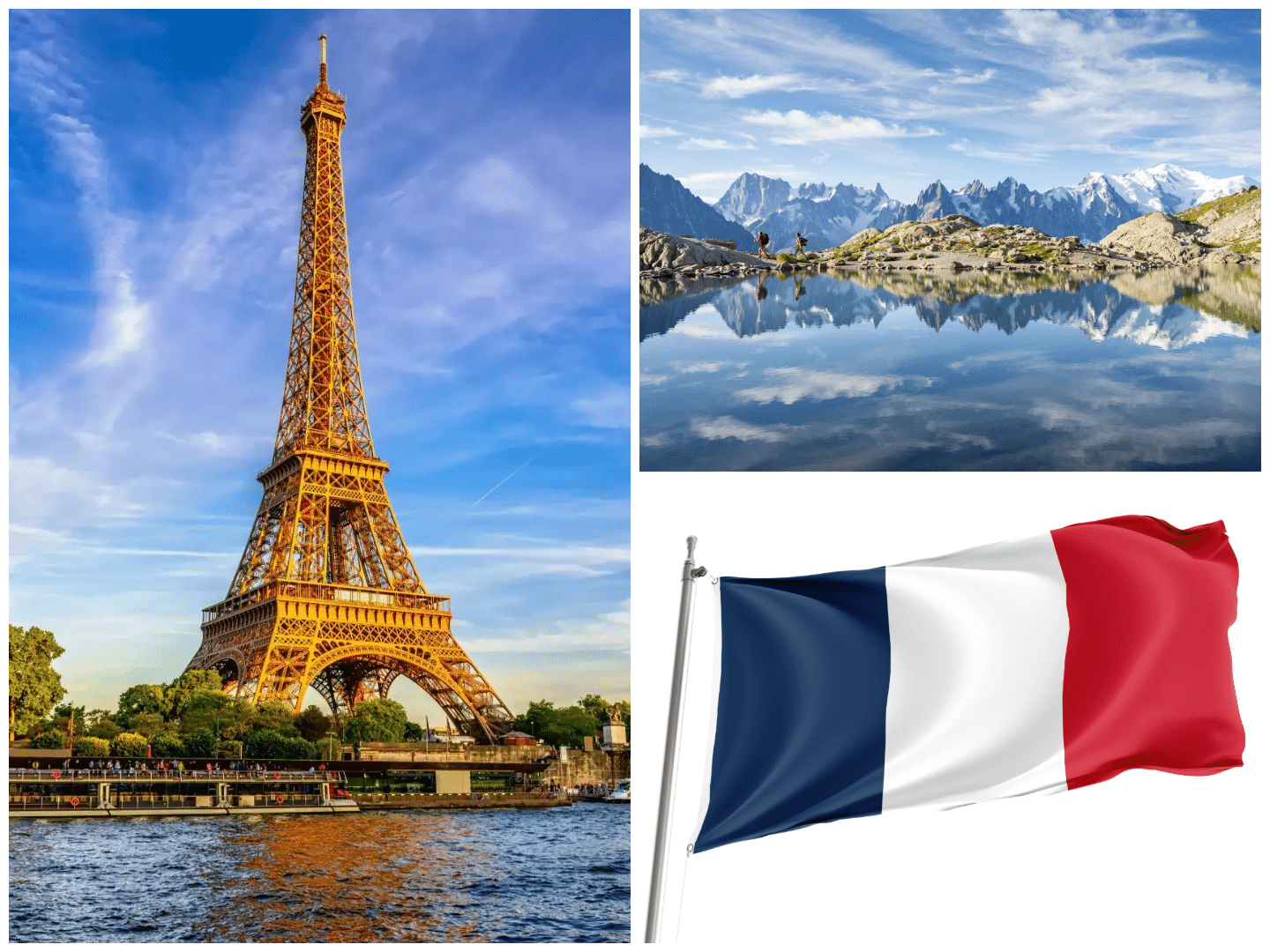
This France Guide will show you everything you need to know if you want to visit this fantastic European country. Furthermore, we will focus on how to prepare for your trip, where to go and stay, plus many more helpful tips from locals. So, if you want to find out more and travel more easily, we recommend you stay with us.
©Getty
Our website includes affiliate links. So, remember that we may receive commissions when you click our links and make purchases. Please read our legal disclaimer document for more information about our Affiliate disclaimer and other disclaimers like the Fair-Use disclaimer.
Why should you visit France?
France is widely recognized as a premier tourist destination, celebrated for its rich cultural heritage, historical significance, and varied landscapes. The country boasts iconic landmarks such as the Eiffel Tower and the Louvre Museum, as well as charming villages and exceptional culinary experiences. Even more, France’s artistic legacy, stunning architecture, and vibrant cities, particularly Paris, create an inviting atmosphere for exploration. Its reputation for exquisite wine, high fashion, and a plethora of festivals and events further enhances its appeal.
Our France Guide reveals a detailed overview of the reasons to visit France:
Iconic Landmarks and Architecture:
- Eiffel Tower: This emblematic structure symbolizes Paris and France, offering stunning panoramic views of the city.
- Louvre Museum: Home to renowned artworks, including the Mona Lisa, the Louvre is a must-visit for art enthusiasts.
- Châteaux and Castles: Visitors can explore enchanting castles such as the Palace of Versailles, along with many others throughout the country.
- Charming Villages: The country is dotted with picturesque villages featuring cobblestone streets and historic buildings, perfect for leisurely strolls.
Culture and History:
- Rich History: France’s captivating history, from the French Revolution to the era of Napoleon, is reflected in its diverse architecture and cultural sites.
- Artistic Heritage: The country has a profound legacy in art, literature, music, and philosophy, fostering a rich creative environment.
- UNESCO World Heritage Sites: France is home to a wide range of sites recognized for their historical and cultural importance, drawing visitors from around the globe.
Festivals and Events:
Experience France’s vibrant festival culture, with various events taking place throughout the year, showcasing local traditions and celebrations.
Food and Wine:
- French Cuisine: Experience a culinary adventure with acclaimed dishes, from traditional croissants and baguettes to exquisite fine dining.
- Wine Regions: Discover famous wine regions such as Champagne and Bordeaux, offering opportunities for wine tasting and exploration.
Diverse Landscapes:
- French Alps: Ideal for outdoor enthusiasts, the Alps offer skiing, hiking, and breathtaking mountain scenery.
- French Riviera: Enjoy the scenic beauty of the Mediterranean coast, featuring stunning beaches and a lively atmosphere.
- Lavender Fields of Provence: Witness the picturesque landscapes of lavender fields in full bloom, a highlight of the region.
- Countryside: The tranquil countryside features charming villages, rolling hills, and peaceful vineyards, providing a serene escape.
Other Attractions:
- Fashion and Shopping: France is synonymous with fashion, offering a unique shopping experience with famous brands and boutiques.
- Romantic Atmosphere: Paris, often referred to as the “City of Love,” is known for its romantic ambiance, making it a popular destination for couples.
- Accessibility: With a well-developed infrastructure, navigating and exploring France is convenient for visitors.
In summary, France provides an extensive array of experiences that cater to diverse interests, making it a compelling destination for travelers worldwide.
What is the best time to visit France?
The best time to visit France depends on what you’re looking for. Still, generally, spring (April-May) and autumn (September-October) offer the best balance of pleasant weather and fewer crowds. Summer (June-August) is popular for festivals and warm weather, but it’s also the busiest and most expensive time.
Here’s a more detailed breakdown:
Shoulder Seasons (Spring & Autumn):
- Pleasant weather: Temperatures are mild, making it ideal for sightseeing and outdoor activities.
- Fewer crowds: You’ll encounter fewer tourists compared to the peak summer months, allowing for a more relaxed experience.
- Lower prices: Accommodation and flights are often more affordable during the shoulder seasons.
- Beautiful scenery: Spring offers blossoming flowers and greenery, while autumn brings vibrant fall foliage.
Summer (June-August):
- Warm weather: Perfect for enjoying beaches, outdoor cafes, and festivals.
- Festivals and events: France comes alive with numerous festivals and events during the summer months.
- Crowds and high prices: Popular destinations can be very crowded, and prices for accommodations and flights will be higher.
Winter (November-March):
- Christmas markets and skiing: If you enjoy winter activities or festive markets, France offers a unique experience.
- Fewer crowds in cities: Cities like Paris and Nice are less crowded in the winter, offering a different atmosphere.
- Colder temperatures: Expect cold weather throughout France, with potential snowfall in some regions. Régional Variations: Mediterranean Coast (South): Enjoys a mild climate year-round, with hot, dry summers and mild winters. Northern France: Can be wetter and cooler, especially near the English Channel.
In summary, if you prioritize pleasant weather and fewer crowds, spring and autumn are the best times to visit. If you’re looking for a lively summer atmosphere or winter activities, plan your trip accordingly.
How long should you stay in France?
Firstly, France is probably too big and has too much to see and do to do it all at once (unless you are a billionaire, of course). Having said that, the ideal length of a trip to France depends on your interests and the areas you want to explore, but a good starting point is around 10 days to two weeks. This allows you to see some of the highlights, like Paris, and venture out to other regions at a relaxed pace. If you have less time, a week can still be enjoyable, focusing on one or two key areas. For longer trips, consider two weeks or more to explore various regions, including the French Alps, the Mediterranean coast, or the wine regions.
Here’s a more detailed breakdown:
One week to 10 days:
A good option for a first-time visitor to France, potentially focusing on Paris and a short trip to Normandy or the Loire Valley.
Allows for a more in-depth exploration of Paris and another region, like Provence or Bordeaux.
Two weeks or more:
Enables a broader exploration of France, including multiple regions, cities, and potentially the French Alps or the Mediterranean coast.
Ultimately, the best length of time for your trip depends on your travel style and what you hope to experience in France.
How to get to France?
When traveling to France, it’s essential to ensure that your passport is valid. The passport should have been issued within the last 10 years and must remain valid for at least three months after your departure. Additionally, check if a visa is required for your visit; citizens of the UK, Canada, and the US do not need a visa for stays of up to 90 days. But proof of accommodation will also be necessary.
The fastest way to travel from the US is generally via a direct flight to Paris, with non-stop options available from cities such as New York, Los Angeles, and Atlanta through airlines like Air France and Delta. Canadian cities like Toronto and Montreal also offer non-stop flights to Paris. Travelers from Australia and New Zealand usually have one stopover, commonly in London. At the same time, those departing from South Africa can find direct flights from Johannesburg.
For travelers within Europe, train travel is an efficient option. The Eurostar train connects London to Paris in just over two hours. It is advisable to book high-speed train tickets in advance, especially when traveling from other European countries. Consider utilizing platforms like Omio for reservations. If you plan to take multiple train journeys, rail passes could provide savings, but for just a few trips, look for advance-purchase discounts on individual tickets to secure your travel times.
Be mindful of potential delays and cancellations in France and allow extra time for travel. For popular routes, especially on high-speed trains like the TGV, booking between 60 and 120 days in advance can lead to significant cost savings.
For those traveling across Europe, a rail pass like the Eurail Pass offers the benefit of unlimited travel in multiple countries. If driving is preferred, the Eurotunnel shuttle connects Folkestone to Calais in just 35 minutes.
Ferries also operate on various routes, such as Dover to Calais, and bus services like Eurolines or FlixBus provide budget-friendly options featuring amenities like Wi-Fi and reclining seats. Booking bus tickets early can result in lower fares.
When planning a drive to France, it’s essential to map out your route, ensure you have the necessary documentation, and verify your vehicle’s insurance. Utilize navigation tools like Google Maps and prepare for toll roads and border crossings. Keep in mind that in France, vehicles drive on the right side of the road, and many highways involve tolls.
Getting around France?
Getting around France is generally easy due to a well-developed transportation network. Options include trains, buses, planes, and car rentals, with options for both city and intercity travel. Within cities, public transport like metros, trams, and buses is readily available, and ridesharing and bike rentals are also popular.
The best way to travel in France is by train, especially if you want to travel in France cheaply! French trains are modern, clean, and efficient, and they are the perfect way to see the country up close. In this France Travel Vlog, we show you how to travel in France by train.
Travel within cities
In French cities, public transportation is not just a means of getting around; it is a vital and efficient system that connects residents and visitors to various destinations. The metro, trams, and buses are the backbone of urban mobility, with Paris standing out for its extensive Metro network, which boasts 14 lines that operate until late into the night. This comprehensive system allows for quick and seamless travel across the city. Other notable cities like Marseille, Lille, Lyon, Rennes, and Toulouse also provide metro services, enhancing accessibility.
Public Transportation Options:
- Metro: A rapid and reliable option for covering long distances within larger metropolitan areas, making it an ideal choice for commuters and tourists alike.
- Tram: Many cities, including Dijon, Lyon, Nantes, and Bordeaux, feature modern tram networks that glide through cityscapes, offering an enjoyable way to see the sights while traveling.
- Bus: A standard mode of travel within cities, offering affordable fares typically ranging from €1.50 to €2. Buses serve as convenient links to areas not covered by the metro.
- RER (Paris): These régional trains extend beyond the city limits, allowing travelers to venture into surrounding regions while still benefiting from the ease of train travel.
Ticketing:
Tickets for these services can easily be purchased at metro stations, local newsagents, or from automatic vending machines. For those planning to explore extensively, multi-day passes or city-specific options like the Paris Visite Pass provide significant savings. Generally, a single ticket grants access for one journey, accommodating transfers between different modes of transport within the city.
Other Options:
- Self-service bicycles: Many cities, such as Paris with its Vélib’ system, Lyon with Vélov’, and Nice with Vélo Bleu, offer convenient bike rentals, encouraging eco-friendly travel and exploration at one’s own pace.
- Blablacar: This popular carpooling app connects drivers with passengers for longer journeys, making travel not only affordable but also social.
- Taxis and rideshares: Readily available in most urban areas, these options offer a more personalized form of transport. However, they tend to be pricier than standard public transport.
Tips:
To make the most of the public transport system, it’s wise to plan your route in advance using online maps or city resources. Consider purchasing multi-trip tickets if you intend to travel frequently, as these options often lead to additional savings. Be aware of local traffic regulations and time your travels carefully, as peak hours can lead to congestion and delays.
Travel between the cities
If you’re planning a trip to France, getting around the country by train is one of the easiest and most efficient options available. France has an extensive rail network that can take you to virtually any destination in the country and to neighboring countries with ease.
For first-time visitors who need some guidance on train travel in France, this quick guide will provide you with essential information for a smooth journey. It covers different types of trains, the best rail passes for tourists, where to purchase tickets, and general tips for train travel.
When traveling between French cities, trains and buses are the most common and efficient modes of transportation. High-speed trains, particularly the TGV (Train à Grande Vitesse), are favored for longer distances, offering a faster travel experience. Buses can be a more budget-friendly alternative, although they may take longer for specific routes.
Types of Trains:
- TGV (Train à Grande Vitesse): High-speed trains that connect major cities such as Paris, Lyon, and Marseille.
- Intercités: Express trains that link major cities with slightly longer travel times than the TGV.
- TER (Transport Express Régional): Régional trains that connect smaller towns and cities within a specific area.
- OUIGO: A low-cost train service that offers cheaper tickets, but travel times may be longer compared to TGV.
- SNCF: The national railway company of France, which operates most train services.
Buses:
- FlixBus and BlaBlaBus: Popular bus companies that connect various French cities, often at prices lower than those of trains.
- Régional Buses: Local buses that operate within regions, connecting smaller towns and villages.
Other Transportation Options:
- Rental Cars: Offer flexibility for exploring rural areas and off-the-beaten-path destinations.
- Flights: Can be a quicker option for long distances, especially between cities like Paris and Nice.
- Ferries: Useful for traveling to islands or coastal areas.
Planning Tips:
- Compare Travel Times and Prices: Look at both train and bus options for your journey to find the best fit for your needs.
- Book Train Tickets in Advance: Especially for TGV services, as prices can rise as the travel date approaches.
- Use Public Transportation Within Cities: Many French towns have efficient metro, tram, and bus systems.
- Consider a France Rail Pass: If you plan on extensive train travel, a rail pass can be a cost-effective choice.
- Download Helpful Apps: Use SNCF Connect for train tickets, and various bus company apps for booking.
With this France guide, you should be well-equipped to navigate train travel and enjoy your journey.
Tolls in France
In France, tolls are a standard feature on highways (autoroutes). They are usually collected at booths where you enter and exit the tolled section. Tolls are calculated based on distance traveled, vehicle type, and sometimes emission class for special facilities. Payment methods include cash, credit card, or an electronic tag for automated payment.
There are several ways you can pay to use a toll road in France: Cash (all payments must be made in Euros), Card (Eurocard, Mastercard, Visa, Carte Bleue), Electronic account (special exit booths for vehicles with Telépéage accounts). If you don’t pay the toll within the required timeframe, you may incur penalties.
Parking
In France, parking regulations vary by location. Still, generally, you’ll find both free and paid parking options, including street parking and car parks. Be aware of road signs indicating restrictions and prohibited areas. Enforcement is strict, with potential for fines and towing for illegal parking.
Suppose you pay for parking at parking meters. In that case, the machine will give you a ticket in exchange, which should be placed behind your windscreen, clearly visible from the outside. Street parking is limited to 2 hours. You can use a credit card or the PaybyPhone, ParkNow, or Flowbird apps.
Popular regions in France
In this part of our France guide, we will show you some of the most prominent regions in France. As of 1 January 2016, there are now 13 French regions on European soil and 5 that are part of the French overseas territories. The latter are the former French colonies: French Guiana in South America, Guadeloupe and Martinique in the Caribbean Sea, and Réunion and Mayotte in the Pacific Ocean. The process of amalgamating the old regions has led to the creation of new institutional realities, which can create doubt and confusion for those planning a trip to France.
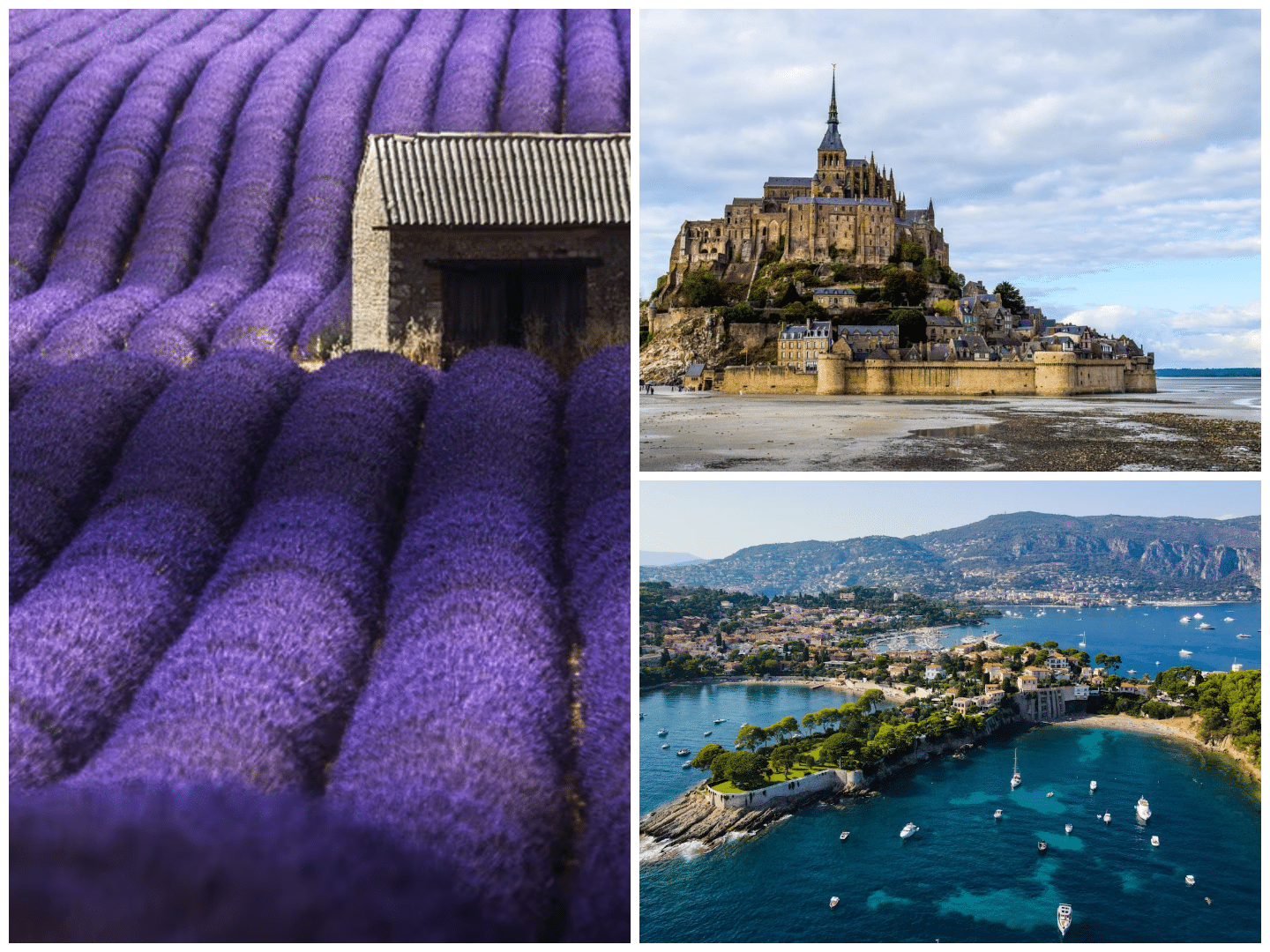
Here you cen see Lavendel firleds in Provence, Mount St. Micheke in Normandy, and French Riviera.
©SgutterStock
Île de France
Île de France is a small region that includes Paris, the capital of France, along with important cities like Saint-Denis and Versailles. Known as the Ville Lumiere, Paris attracts millions of visitors each year who come to enjoy its charm and romantic atmosphere. The city offers a variety of attractions, including the Louvre Museum for ancient art, the Centre Pompidou for contemporary art, and the Musée d’Orsay for Impressionist art. Visitors can enjoy picturesque views of the Seine, see the iconic Eiffel Tower, and stroll down the elegant Champs Élysées. The charming neighborhoods of Montmartre and the Latin Quarter add to the city’s romance. Just a short distance from central Paris, you can visit the Palace of Versailles, which has 2,300 rooms and beautiful gardens. Families can also enjoy Disneyland Paris, a famous amusement park featuring beloved cartoon characters.
Provence
Sunny, elegant, and colourful. Provence attracts visitors from all over the world for one of the most beautiful sights in Europe: the lavender fields in bloom, stretching as far as the eye can see, colouring the landscape with magic. Provence is a complete region: on the one hand, the Alps enclosing the deep Gorges du Verdon, on the other, some of the most picturesque and dynamic cities in the South of France, such as Marseille, Aix-en-Provence, and Avignon, which bewitched impressionist painters of the calibre of Van Gogh, Cezanne, and Paul Gauguin. The mix becomes complete with the perched villages of the hinterland, such as Roussillon and Isle-sur-la-Sorgue, and the Roman archaeological sites, such as the spectacular amphitheatre in Arles and the Roman theatre in Orange. Making this region absolutely unique are the unspoilt landscapes of the Camargue, a land of salt marshes, wild horses, flocks of flamingos, and gypsies.
Note: You can also read our guide about The Lavender fields in Provence.
French Riviera
The French Riviera is the part of the French coastline that runs from the Italian border to Provence. It is one of France’s most popular vacation spots. Known for attracting celebrities and the wealthy, the Côte d’Azur hosts the famous Cannes Film Festival and is renowned for its nightlife and beaches in Nice, St Tropez, and Antibes. However, the Côte d’Azur also has charming, lesser-known villages in the hills, such as Roquebrune, Cap Martin, Èze, Ramatuelle, and Saint Paul de Vence. These villages are all worth visiting and photographing.
Normandy
On the border with Brittany lies Normandy, one of the most interesting regions of France, exquisitely vintage, medieval, and rich in history. On one side is the granite cliff coast of Etretat, the port of Le Havre, and the charming fishing village of Honfleur, which looks like something out of an impressionist painting. On the other hand, the Normandy landing beaches and military cemeteries tell of one of the most dramatic pages of 20th-century history: the D-Day landing of the Allies during World War II to combat the Nazi advance in Europe. This Land, home of Calvados and Camembert, is above all famous for its most famous attraction: Mont Saint Michel, the religious sanctuary built in medieval times on a small island surrounded by Europe’s most impressive tides. Also not to be missed are Rouen and its majestic Gothic cathedral, Monet’s house in Giverny, and the 70-metre-long medieval tapestry of Bayeux, which narrates the Norman conquest of England.
Loira Valley
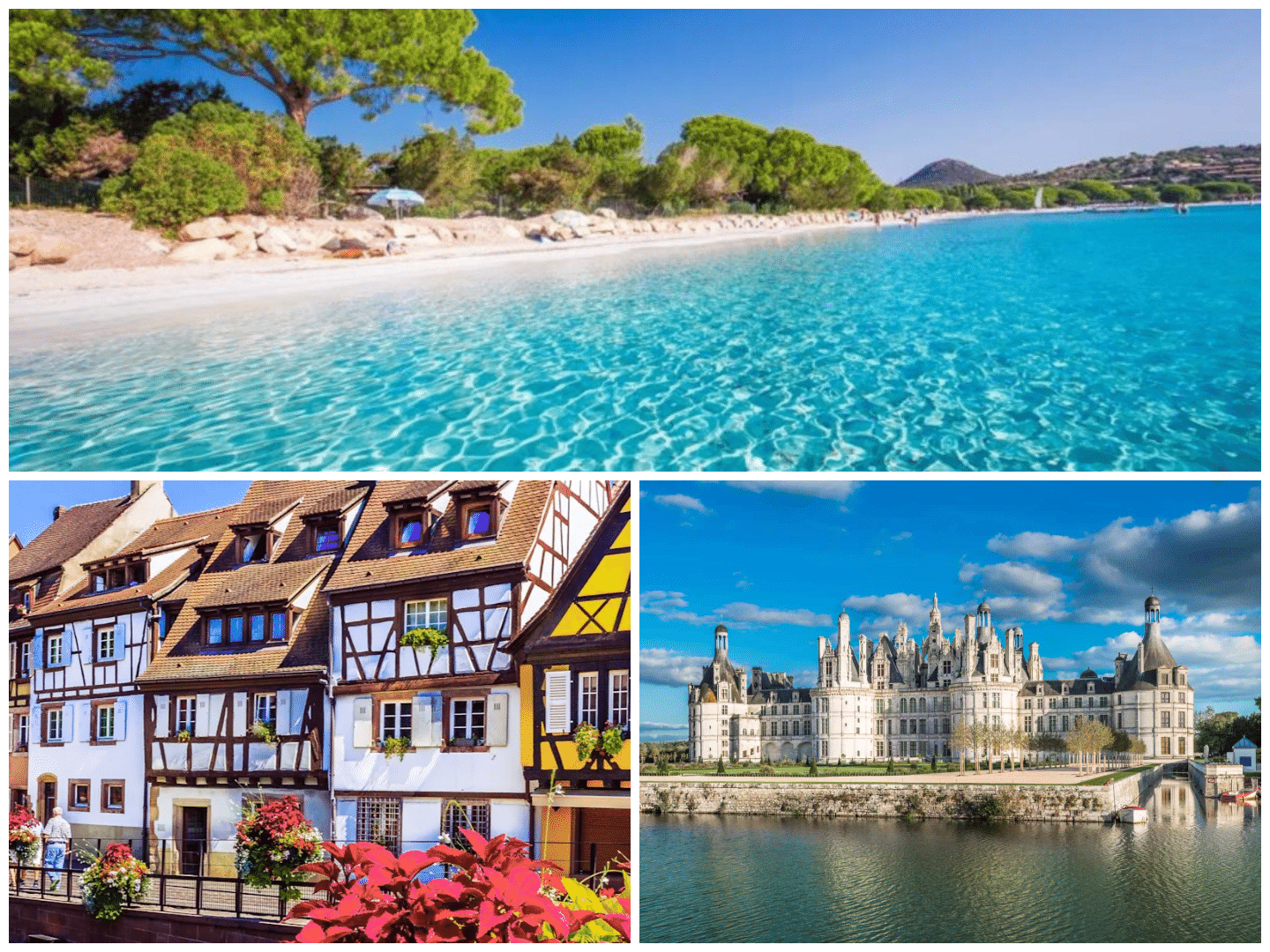
The Loire Valley is a beautiful and vital region in France. It is a UNESCO World Heritage site. The area along the Loire River is filled with lovely medieval towns like Bourges, Tours, and Orleans, along with vast vineyards. The true highlight of the Loire Valley is its castles, with nearly 300 to explore. Visitors can see impressive French Renaissance architecture in the châteaux of Chambord, Chenonceau, Azay-le-Rideau, and Blois. There are also remarkable fortresses like Angers, Saumur, and Chinon, as well as beautiful sites like Villandry and Cheverny. Additionally, the great cathedral of Chartres, one of the most stunning in France, and the lively city of Nantes, known for its modern culture, are part of this remarkable region.
Alsace
If you enjoy fine wines and fairytale settings, Alsace is the perfect place for you. This small region is now part of the Grand Est Region, which also includes Champagne, the Ardennes, and Lorraine. Located between Switzerland and Germany, Alsace has some of the most beautiful cities in France, like Colmar and Strasbourg. These cities are known for their Gothic cathedrals and well-preserved medieval centers.
The Wine Route takes you through endless vineyards and charming medieval villages. The villages have lovely half-timbered houses in soft pastel colors, making them look like they are from a storybook. Some of these villages include Riquewihr, Eguisheim, Ribeauvillé, and Kaysersberg. During the Christmas Markets, they become especially magical and are filled with a wonderful festive atmosphere.
Corsica
Halfway between French and Italian culture, Corsica is a rugged and wild land that alternates, Caribbean-coloured beaches such as Santa Giulia, Rondinara or Saleccia, with lively and sparkling, wonderfully scenic towns such as Ajaccio, Bonifacio and Bastia. But the island is above all a mountain in the sea, covered with unspoilt heights that are ideal to travel by car or motorbike before reaching its unspoilt, hidden beaches that are so reminiscent of nearby Sardinia. The Scandola Nature Reserve, the Calanques of Piana, the Agriates desert, and the beautiful Cap Corse, to name but a few of the most spectacular areas, are not to be missed.
Auvergne-Rhone-Alps
The Auvergne-Rhone-Alps region has a rich history, culture, and natural beauty. Located near the Italian and Swiss borders in the French mountains, it is perfect for outdoor activities and tourism. It is the world’s top winter sports destination and France’s leading area for outdoor sports, after Île-de-France in terms of tourism.
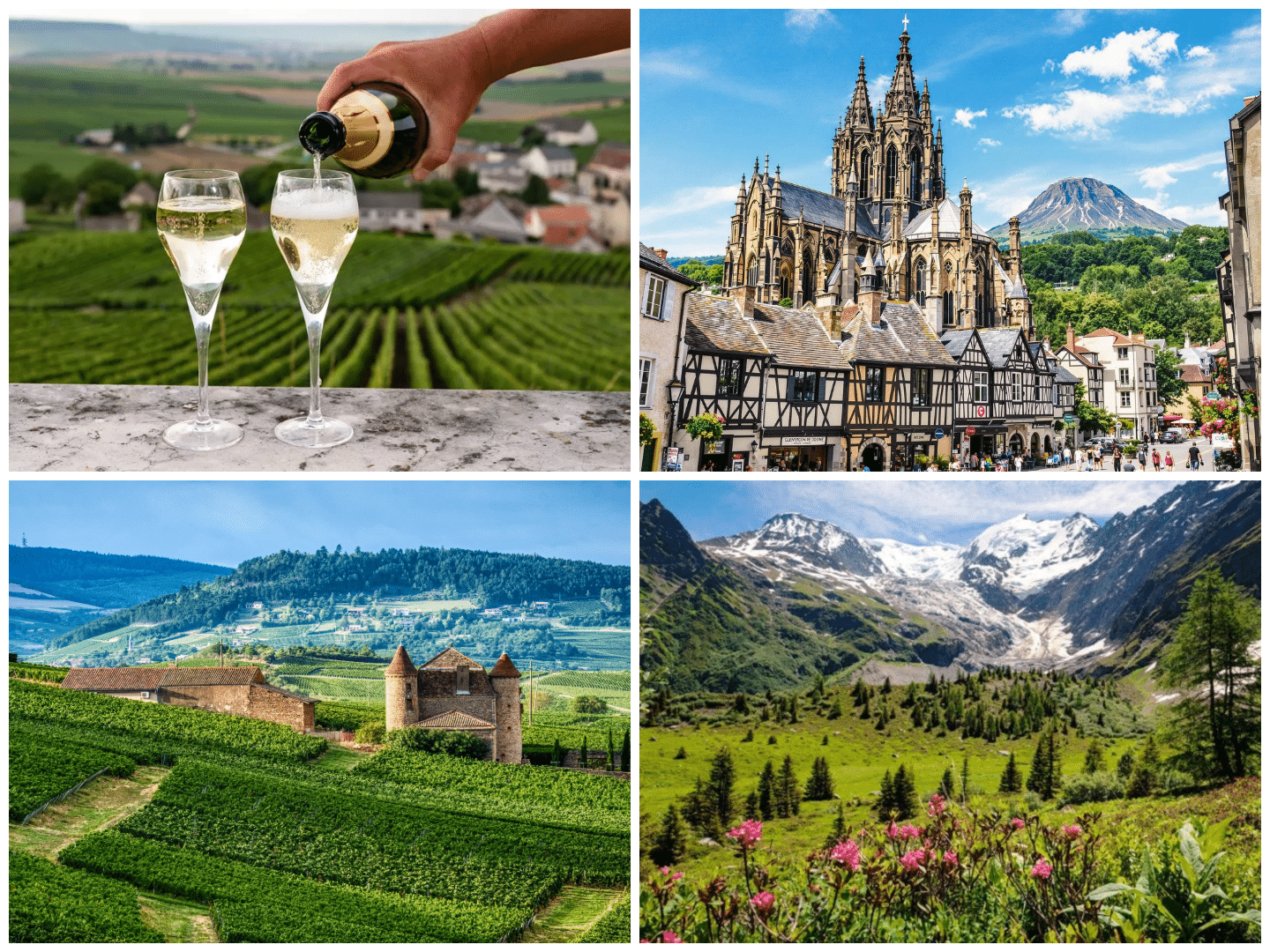
This region offers unique destinations. Lyon, known as the capital of gastronomy, is a highlight. The Alps, home to Mont Blanc—the highest mountain in Europe—draw visitors to its many ski resorts from December to April. More than 175 winter sports resorts are in the area, with famous ones like Deux-Alpes, Chamonix, Mégeve, and Val d’Isère. Other noteworthy resorts include Courchevel, Val Thorens, and Tignes.
Auvergne-Rhône-Alpes also boasts cultural and historical cities. Annecy attracts visitors with its stunning castle and beautiful lake. Grenoble, located at the foot of three mountain ranges, is known for its museums and vibrant atmosphere. Saint-Étienne is famous for silk processing and design. Additionally, picturesque villages like Bourg-en-Bresse, with its Gothic old town, and Clermont-Ferrand, known for its Romanesque buildings made of volcanic stone, are also worth visiting.
Burgundy
Good food, conviviality, and a love of local produce are part of Burgundy’s DNA. Get ready for experiences that will thrill your five senses and put the palate at the centre of your stay. Indeed, with a rich and incredible heritage, Burgundy is also known for its succulent gastronomy and renowned wines. Dijon is the best-known city in Burgundy and is considered the capital of the region. It is famous for its many museums, including the Museum of Fine Arts, the Museum of Life in Burgundy, and the Mustard Museum. Dijon also has magnificent medieval architecture, visible in its cobbled streets and historic buildings. And, of course, Dijon mustard is a world-famous culinary speciality. Cluny is a medieval town renowned for its abbey, one of the largest and most powerful in Christian Europe in the Middle Ages. Founded in 910, Cluny Abbey was an important centre of monastic reform, with significant influence on the architecture, art, and culture of the time. Auxerre will enchant you with its cathedral, its half-timbered houses, and its clock tower. Located in the north-west of Burgundy, it can be reached in only 2 hours from Paris. It is home to a remarkable medieval heritage with many preserved historical houses and buildings. Finally, Besançon awaits you with its citadel, historic centre, and countless museums. You will be enchanted strolling along the banks of the Doubs, in front of the city’s beauty. A UNESCO-listed city, Besançon’s rich architectural heritage traces more than 2,000 years of history and offers numerous places of interest.
Champagne-Ardenne
Experience tastings and walks in the beautiful Champagne-Ardenne vineyards. This region is famous worldwide for its high-quality vineyards and cellars. Be sure to visit Reims, known for its stunning Gothic cathedral. This cathedral was where many French kings, like Clovis, François I, and Louis XIV, were crowned. Admire its impressive vaults, beautiful stained glass windows, and the decorated façade with intricate sculptures. In Troyes, you will find one of the richest collections of half-timbered houses from the Middle Ages and the Renaissance. These houses have exposed wooden structures that create a unique zebra pattern, often painted in bright colors, giving them a charming and picturesque appearance.
Occitania
The Occitania region has year-round sunshine and a rich heritage, making it a great place to explore. Major cities like Toulouse and Montpellier offer beautiful monuments and cultural activities. The area is home to charming perched villages and magnificent bridges.
Carcassonne is a well-preserved medieval city with impressive walls. The sight of Aigues-Mortes near the pink waters of Salins du Midi and the wild beauty of the Camargue is unforgettable. You should also see the Pont du Gard aqueduct, the Arena of Nîmes, and Rocamadour, a village that clings to a cliff. Albi, a UNESCO World Heritage site, features the famous Toulouse-Lautrec Museum.
The French Pyrenees offer stunning landscapes, ski resorts, and beautiful hiking trails, serving as the natural border between France and Spain.
In overseas territories, the French Antilles, including Martinique and Guadeloupe, are known for their lovely beaches and vibrant culture. Saint Martin is unique because it is divided between French and Dutch territories. Réunion Island, located in the Indian Ocean, has active volcanoes, lush gorges, and gorgeous beaches.
Other regions
Haute-France and Picardie are lively regions in northern France. They include cities like Lille and Amiens, known for their beautiful architecture and cultural attractions. Visitors can enjoy impressive museums, historic cathedrals, and charming medieval streets. The area also has great sites like Chantilly Castle and the peaceful seaside resorts along the Côte d’Opale, with its chalk cliffs and towns like Calais.
Brittany is in the northwestern part of France. It is famous for its rugged coastline along the English Channel and the Atlantic Ocean. Tourists can start in Saint Malo and explore the Pink Granite Coast, known for its steep cliffs and scenic lighthouses. Carnac, a historical site, has over 3,000 standing stones called menhirs.
Aquitaine, which includes Limousin and Poitou-Charentes, is rich in culture and food. Located in the southwest of France, it is known for surfing, rugby, and Bordeaux wines. This region offers a diverse landscape from the Atlantic coast to the Pyrenees. Key attractions include the historic center of Bordeaux, nature parks, and the Dune du Pilat, along with charming towns like Sarlat and Saint-Emilion.
Top things to do in France
Looking for some epic ideas to help you decide what to do in France? Look no further than this France Guide Bucket List.
With so many interesting regions, beautiful landscapes, and endless landmarks scattered throughout the Land, France is an excellent travel destination, and discovering the best things to do in France (and writing about it!) is a lifelong project for me.
Based in Paris, I take every opportunity to explore different corners of France. Yet, our France Bucket List keeps growing, not shrinking!
From the obvious to the unusual, here’s my list of favorite things to do and things to see in France. Some I’ve done, some I haven’t, and some I like to do again and again. Now, how many have you ticked off your list?
Discover Paris with our France Guide
Paris has many different faces, shaped by its neighborhoods and the time of day. Its rich history includes famous monuments and intriguing stories that show the history of France, making the city full of surprises. Along with Rome, Paris has many impressive monuments from its past.
To uncover Paris’s secrets, it’s essential to appreciate the Seine River and its historic bridges, like the Pont Neuf and the romantic Pont des Arts. The city also features significant religious sites, such as Notre-Dame and the Sacré-Cœur.
Paris is a center for artists and has many art collections in its museums, including the Louvre and Orsay. Visiting the Eiffel Tower at sunset gives you stunning views of the city in a warm golden light, making it a top experience in Paris.
The views from the top of the Eiffel Tower are excellent, especially at sunset. On the second floor, there’s also a fascinating exhibition about the history of the Eiffel Tower and its construction – Click here to buy your tickets to the Eiffel Tower.
Note: If you want to learn more about Paris, please read our Paris Guides.
Be Moved by Mont Saint-Michel
Be moved by Mont Saint-Michel, the wonder of the Western World, and one of the best places to visit in Northern France. This superb Benedictine abbey and renowned pilgrimage center is set on a rocky island at the mouth of the Couesnon River, where the regions of Normandy and Brittany meet.
The area is known for its high tides, which leave the abbey inaccessible for some hours and give Mont Saint-Michel a picturesque setting.

©Shutterstock
Taste the French wines.
French wines offer a diverse range of flavors, from light and fruity to earthy and mineral, depending on the region and grape variety. Burgundy is known for its Pinot Noir and Chardonnay, while the Loire Valley offers refreshing whites and earthy reds. Alsace is famous for its Riesling and Gewürztraminer, and Bordeaux is known for its Cabernet Sauvignon and Merlot blends.
Dégustation (tasting) is an essential part of daily life in France’s celebrated wine regions: Burgundy, Bordeaux, Champagne, Alsace, the Loire and Rhône Valleys, Provence, and Languedoc. But it’s the handsome wine city of Bordeaux – where in the 15th century English merchants rolled barrels of claret (red wine) from quayside to ship, and winegrowers stunned the world with mind-blowing Médoc and St-Émilion reds three centuries on – that pairs top-drawer vintages with easily accessible visits around ancestral estates.
Note: You can also read our Wine Tasting Provence Guide, especially if you like drinking Rosé.
Memorable stops on a tasting grand tour around Bordeaux include the “Guggenheim of wine,” La Cité du Vin; a wine flight at the superlative Bar à Vin, inside Maison du Vin de Bordeaux; and backstage cellar tours at Château Les Carmes Haut-Brion in the city, and out of town at Château Lynches-Bages.
Plan a road trip along the French Riviera
… but not in high season when temperatures soar and holiday traffic jams up roads. Road-trip around Provence and the Côte d’Azur in early spring, fall, or winter. September and October’s softer light only heightens the shimmering sea views that unfold along Nice’s iconic trio of corkscrewing corniches (coastal roads) and spectacular sunsets in Jardin d’Èze are unforgettable.
From January to March, perfumed mimosa blooms blaze yellow along the scenic Route du Mimosa; the driving itinerary starts in the medieval, postcard-perfect village of Bormes-les-Mimosas. Whichever road you follow to get here, expect a heart-in-mouth ride. Nose-dive inland through the forested, chestnut-rich Massif des Maures, or tango along the coast past luxuriant sea gardens with snorkelling trails at the Domaine du Royal. From here, the Route des Crêtes, up and over the panoramic Col du Canadel, is scenic motoring on steroids.
Try the French food
France is well-known worldwide for its culinary prowess. With impressive haute cuisine, patisserie, and more, elements of French cooking are amongst the most desired and elite in the world. And, French chefs are often thought of as the most meticulous and expert. Avoiding the obvious of snails, frog legs, and croissants, in this article, we explore some of the most popular foods and drinks in France.
Describing French cuisine and why it’s globally renowned, the Auguste Escoffier School of Culinary Arts explores the impact ingredients have: “French dishes often use simple ingredients transformed by artful techniques. Fresh, naturally produced ingredients are always available in French cuisine. Wine, cheese, olive oil, and seasonal vegetables are just a few staples.
“Herbs and spices are also important to French cuisine and can contribute a depth of flavour to otherwise subtle dishes. A few commonly used in French dishes include herbs de Provence, tarragon, and nutmeg.”
French cuisine offers a wide variety of dishes, from classic comfort food like boeuf bourguignon and coq au vin to more refined options like steak tartare and crepes. Popular choices include quiche Lorraine, ratatouille, and various pastries like croissants, macarons, and tarte tatin. Don’t forget to try some of the famous French cheeses like Camembert or Comté, and enjoy a glass of wine with your meal.
Embrace château life in The Loire Valley.
It’s not only about picking your jaw up from the floor in Versailles’ Hall of Mirrors, gawping at Chambord’s rooftop mirage of fancy-pants spires and chimney pots, or swooning over the leafy derivations of amour in Château de Villandry’s ornamental “Love Gardens.” Romantics seeking fairytale châteaux gravitate to Renaissance France’s showpiece Loire Valley. Still, overtly rural regions such as the Lot, Dordogne, and Languedoc squirrel away many more.
Many châteaux are rustic, grassroots properties where normal people live, work, and craft. Dip into the ancestral knowledge of Médoc winegrowers on a cellar tour at Château Lynches-Bages. Learn about Burgundy’s unique climats at Château du Clos de Vougeot, a UNESCO World Heritage Site. Smell the angels’ share in sooty black Château de Cognac and the rare 150-year-aged cognac bottled in hand-blown glass at teeny Château de Montifaud. Indulge your ultimate French fantasy of a boozy lunch between vines at St-Émilion’s Château Troplong-Mondot or a dinner and a four-poster-bed kind of night at insanely romantic Château de la Treyne: the French directory of château hotel-restaurants and B&Bs is colossal.
A Royal Day in Versailles
The Château of Versailles is a wonder of French Baroque architecture and one of the top things to see in France on any holiday to Paris.
Visit the fabulous rooms and halls inside the Château, which was home to three French kings and their courts. Then explore the magnificent French-style gardens, with beautiful fountains and groves, and the grounds around the Grand Canal, perhaps on two wheels or on a rowboat.
No place does châteaux like France. For first-timers, the château-strewn Loire Valley – an hour’s hop by train from Paris, to Tours – assures instant immersion. Roman oenophiles first planted vines on the banks of the River Loire (look for locally produced Sancerre, Chinon, St-Nicolas de Bourgeuil, and Montlouis-sur-Loire on wine lists). Later, French royalty had a ball by building megalomaniacal pleasure palaces and weekend hunting retreats during the Renaissance: the 440-room Château de Chambord, garden-graced Château de Villandry and Chaumont-sur-Loire, and hopelessly romantic Château de Chenonceau must be seen to be believed.
Forget traipsing through endless fusty rooms filled with dated trappings. Château-hopping in this emblematic valley is about observing deer at dawn on Chambord’s colossal forested estate, watching foxhounds wolf down 100kg (220lbs) of meat in 10 seconds flat at Château de Cheverny, and feasting on five centuries of history at Gothic-to-Renaissance Château de Blois during a son et lumière show. To bond with grassroots river life, navigate the Loire in a traditional flat-bottomed toue and overnight in a bivouac camp on its banks.
Planning tip: Consider getting from château to château by bike; research cycling routes, bike rentals, and cyclist-friendly accommodations with Loire à Vélo. Join the dots between castles around Blois with Les Châteaux à Vélo cycling trails.
Visit the Artist Villages in Provence
Provence is filled with gorgeous medieval villages and sun-soaked seaports that have been depicted in countless works of art. Some of the best to explore include the hilltop town of Saint-Paul de Vence, which has attracted artists for 100 years. Visit Saint-Remy de Provence, famously associated with Vincent van Gogh, with the Musée d’Art Moderne et d’Art ContemporainMusée, displaying his works.
Ski or hike in the French Alps
If your ideal French vacation involves a little more nature and a little less city, head to the French Alps. Here, you’ll find some of the best ski slopes in Europe, as well as beautiful scenery that rivals any work of art or architecture. In summer, the typically snow-covered mountains thaw just enough to create perfect conditions for hiking and biking. Enchanting villages sit at the base of the range, offering several places to unwind when you’ve had enough fun on the slopes or trails. The French Alps offer a wide array of world-class ski resorts, perfect for skiers of all levels. Popular destinations include Val d’Isère, known for its stunning scenery and beginner-friendly slopes; Courchevel, renowned for its luxury and gentle runs; and Méribel, offering a great blend of elegance and easy access to beginner slopes within the Trois Vallées. Other notable resorts include Chamonix, famous for its challenging terrain and off-piste opportunities, and Les 2 Alpes, known for its high-altitude glacier and extensive ski area.
Soak up history in Brittany and Normandy.
These two wind-buffeted regions in northwestern France were created with outdoor enthusiasts and history buffs in mind. Think cliff-top walks, a craggy coastline, sensational seafood, and ancient sights steeped in lore and legend. Top billing is Mont St-Michel, a magical, mysterious abbey-island, best approached barefoot across the sand with a guide. Hire a bicycle to explore the Carnac megaliths strewn along Brittany’s southern coast (wear a windbreaker). Normandy’s time-travel piece is the Bayeux tapestry. Still, it’s the heart-wrenching D-Day beaches and WWII war cemeteries nearby that will plunge you into history’s tumultuous heart and soul.

Discover French fashion.
French fashion is renowned for its timeless elegance, sophisticated style, and effortless chic. Key elements include well-tailored pieces, classic silhouettes, and a focus on quality over quantity. Key brands like Chanel, Dior, and Hermès have significantly shaped the global fashion landscape.
French fashion emphasizes timeless elegance, simplicity, and quality. Key elements include a focus on well-fitting, classic pieces, a preference for neutral colors, and a minimalist approach to accessories. French style often combines casual and elevated items for a chic, effortless look.
How to Choose Your Destination in France?
To choose a destination in France, first think about your interests and how you like to travel. Decide how long your trip will be and what experiences you want, such as seeing historical sites, enjoying local food, or exploring beautiful landscapes. Look into different regions and what they offer, and consider visiting places that are not just the popular tourist spots.
For planning your trip, if you have 3-5 days, pick one city or area to explore. If you have a week to 10 days, you can visit one to three places in different regions for more variety. For a 2-week trip, you can cover three to four destinations.
Travel costs
If you have an upcoming trip to France, it’s essential to understand how much spending money you’ll need based on your plans. That’s why
This guide provides a few insights into the prices in France for tourists.
The official currency in France is the Euro (EUR). If you plan to bring cash with you, you’ll need to exchange your money for Euros. Overall, France is considered a “somewhat expensive” destination. However, accommodation, food, and activities are available to suit various budgets. To make the most of your time and money while you’re away, it’s essential to plan accordingly.
While cash is still used in France, many shops, restaurants, and hotels prefer card payments. Using a card instead of carrying large amounts of money is not only more convenient but also safer. You can also use your card to make ATM withdrawals when necessary, which is handy for tipping or small purchases.
Upper-left©Philippe Schaff
Hotels & accommodations
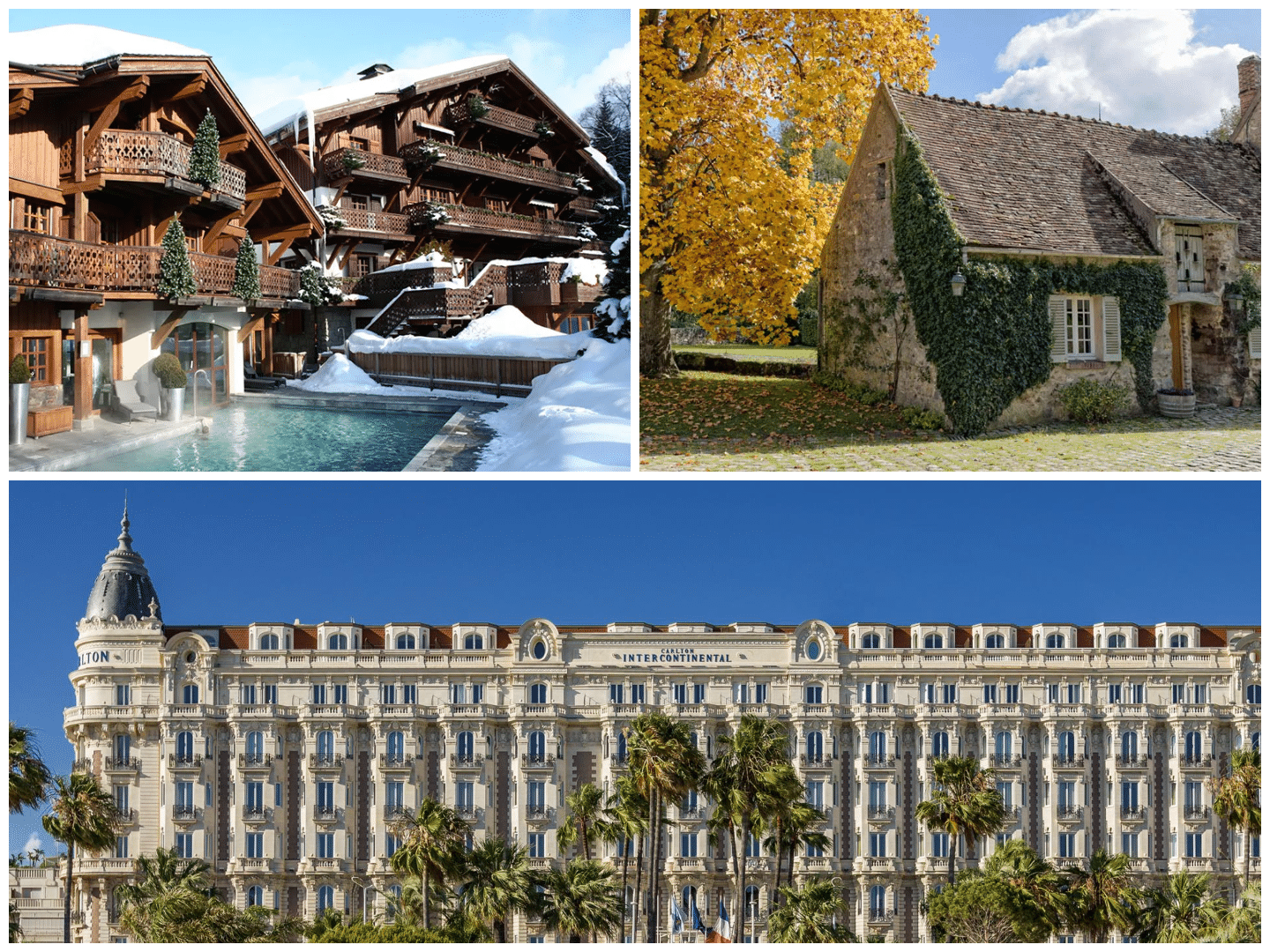
France offers a diverse range of hotels and accommodations to cater to different preferences and budgets. Travelers can find everything from luxurious 5-star hotels to affordable options like Ibis and Première Classe in popular destinations such as Paris, Nice, and along the French Riviera. It’s also worth exploring unique lodging options like boutique hotels, resorts, vineyard stays, or even glamping.
To select the best accommodation in France, consider your travel style, budget, and the type of experience you want. Evaluate factors such as location (proximity to attractions and noise levels), room size, and available amenities (like elevators, air conditioning, and parking), as well as guest reviews. To secure the best rates, compare prices on various websites and consider booking directly with the hotel for potential benefits.
Eating and drinking in France
In France, eating and drinking are social activities that are deeply intertwined with the country’s culture and traditions. Meals are generally leisurely occasions, often consisting of multiple courses and accompanied by wine. They provide opportunities for connection and conversation. Drinking is usually done in moderation, often during meals or as an apéritif (appetizer) or digestif (after a meal).
The cost of eating and drinking in France varies widely, with options ranging from budget-friendly to luxurious. On average, you might spend around €25-€40 per day on meals, though this can differ significantly. For instance, a “menu du jour” (menu of the day) at a traditional restaurant typically costs between €16 and €28 for a three-course meal. At the same time, a street crepe can be as inexpensive as €5.
French dining etiquette emphasizes politeness, engaging in conversation, and savoring the meal. Key rules include waiting for everyone to be served before starting, keeping your hands visible above the table, and not rushing through the meal. Since meals are regarded as social events, engaging in conversation is expected. In restaurants, the service charge (service compris) is usually included in the bill; however, it is appreciated if you leave small change or round up. For excellent service, tipping an extra 5–10% is customary.
French culture and etiquette
French etiquette places a strong emphasis on formality, politeness, and respect for personal space. Some key aspects include:
- Language Use: Always use formal language when addressing others, opting for “vous” instead of “tu.”
- Greetings: Begin interactions with “Bonjour” (good morning/hello) during the day or “Bonsoir” (good evening) in the evening.
- Personal Space: Maintain a respectful distance while conversing.
- Dining Etiquette: Keep your hands on the table (but not your elbows) and wait for everyone to be served before starting to eat.
- Addressing Others: When meeting someone you don’t know well, address them as “Monsieur” (sir) or “Madame” (madam), particularly in formal settings.
- Introductions: A handshake is customary for formal introductions, while friends and family often greet each other with a light kiss on each cheek (known as “les bises”).
Always remember these courtesies to show respect and maintain social harmony in French culture.
Health and Safety in France
In France, health and safety regulations are primarily governed by the French Labour Code and the Occupational Health and Safety Act. France has a universal healthcare system that ensures access to high-quality medical services.
Overall, France is considered a safe country for tourists; however, petty crimes such as pickpocketing and bag snatching are common, particularly in major cities and tourist areas. While violent crime is less frequent, travelers should remain aware of their surroundings and take precautions to guard against theft. Natural disasters, such as wildfires and flooding, can also pose risks, especially during certain times of the year.
Solo female travelers in France
France is widely regarded as a safe destination for solo female travelers. However, it’s essential to observe standard safety precautions typical for any travel situation. Major cities, particularly Paris, are known for being accommodating to solo visitors, offering efficient public transportation and a variety of activities that enhance individual exploration. While the risk of petty theft exists, especially in heavily touristed areas, staying vigilant and employing basic safety practices can contribute to a rewarding travel experience.
Safety Tips for Solo Female Travelers in France:
- Stay Aware of Your Surroundings: Maintain awareness, particularly in crowded attractions and on public transit.
- Trust Your Instincts: If a situation appears uncomfortable or unsafe, remove yourself from it promptly.
- Avoid Poorly Lit or Desolate Areas at Night: Choose well-populated and illuminated streets, and consider using ride-sharing services or taxis after dark.
- Watch Out for Pickpockets: Keep your belongings secure and remain attentive, particularly in busy locations.
- Learn Basic French Phrases: Although many in tourist regions speak English, knowing a few fundamental French terms can be beneficial.
- Share Your Itinerary: Inform a friend or family member about your travel plans and check in with them regularly.
- Select Safe Accommodations: Research different neighborhoods and opt for areas recognized as safe and tourist-friendly.
- Join Group Activities or Walking Tours: These options are great for meeting fellow travelers and exploring safely.
- Use Reputable Transportation Options: When using public transit, stay in well-lit areas, or choose ride-sharing services or taxis during the night.
- Project Confidence: Maintaining an assertive demeanor can help deter unwanted attention.
- Keep Your Phone Charged and Carry ID: Having access to your phone for communication and identification is crucial in emergencies.
- Be Informed About Common Scams: Familiarize yourself with scams that target tourists to help avoid potential pitfalls.
By following these tips, solo female travelers in France can enjoy a secure and enriching experience.
LGBT Travelers
France is generally considered a welcoming and LGBT-friendly destination, particularly in major cities like Paris and Nice. The country has a relaxed attitude towards sexuality and has legalized same-sex marriage. Vibrant LGBTQ+ communities and nightlife can be found in areas like Le Marais in Paris and in Nice, which is considered France’s other gay capital. Paris is a central LGBTQ+ hub with a thriving gay scene, particularly in Le Marais, which boasts gay bars, clubs, and shops. The city also hosts an annual Pride parade. Cities like Bordeaux, Lyon, Montpellier, and Toulouse also have notable LGBTQ+ communities and are worth exploring. While major cities are very welcoming, some rural areas may be more conservative, but tolerance generally prevails.
Note: If you want to learn more about Gay traveling to Paris, we suggest reading our related guide.
FAQs
Traveling to France involves several key considerations, including passport and visa requirements, health and safety, and cultural etiquette. Ensure your passport is valid for at least three months beyond your planned stay, and check if a visa is needed based on your nationality and trip duration. Be aware of customs regulations, especially regarding items like food and currency, and have necessary travel documents like proof of accommodation and sufficient funds. Familiarize yourself with French etiquette, including greetings and dining customs, to enhance your experience.
Do I need a visa in France?
Whether you need a visa to enter France depends on your nationality as well as the purpose and duration of your stay. For stays of up to 90 days, many nationalities can enter visa-free under the Schengen Agreement, while others will need a short-stay visa. If you plan to stay longer than 90 days, you will generally require a long-stay visa. Suppose you are a citizen of a country that has a visa waiver agreement with France. In that case, you can enter the Schengen Area (which includes France) for up to 90 days within 180 days without a visa.
You can use the France-Visas website to check if you need a visa and to find information about the application process.
How to pay, with Cash or Card?
In France, both cash and card payments are widely accepted. While debit and credit cards are universal, it’s still helpful to have some euros for smaller purchases, open-air markets, and tipping. Contactless payments via card or digital wallets are also increasingly common. Still, they may have limits, like the 50€ limit for contactless card payments.
Shopping in outdoor food markets and in flea markets is usually a cash-only proposition, so you will need to plan your euros accordingly. Credit cards are accepted in shops across France, and of course in Paris. Visa and MasterCard are the most widely accepted.
Do you tip in France?
Tipping practices vary by culture, and visitors often wonder, “Do you tip in France?” In France, tipping is not required, but it is a nice way to thank someone for excellent service. Here’s a simple guide:
- Restaurants: A service charge is usually included in the bill. Still, it’s polite to leave small change or round up the amount. For excellent service, consider adding an extra 5–10%.
- Cafés: Rounding up by a euro or two is a courteous gesture.
- Taxis: Tipping is not necessary, but rounding up to the nearest euro or adding 5% is common.
- Hotels: Tip porters €1–2 for each bag and €1–2 per night for housekeeping during more extended stays.
Local Sources for Authentic France Travel Tips
When planning a trip to France, it’s a great idea to go beyond the typical guidebooks to get a feel for the culture and find more unique experiences. Here are some of the best local sources and authentic websites to help you plan:
Official Tourism Websites:
- France.fr: This is the official tourism board website for France. It offers a wealth of information on different regions, activities (from food and wine to cycling and hiking), and practical tips. It’s an excellent starting point for inspiration and general trip planning.
- ParisJeTaime.com: For anyone visiting Paris, this is the official website for the Paris Tourist Office. It provides information on attractions, events, accommodation, and city passes.
- Atout-france.fr: The official government agency for tourism, Atout France, provides insights into tourism trends and promotes sustainable travel.
Travel Blogs and Guides with a Local Perspective:
- France Travel Tips (francetraveltips.com): Written by a Canadian who has traveled to France over 40 times, this blog offers a genuine and honest perspective on her adventures, including practical advice, unique experiences, and a map of her travels.
- France Voyager (francevoyager.com): An American expat shares her love for France, providing itineraries, packing guides, and tips on hidden gems.
- France Adventurer (franceadventurer.com): This blog is run by an avid traveler who has visited France many times and provides very detailed, practical tips on various regions like Paris, Normandy, and the French Riviera.
General Travel Resources:
- Lonely Planet: A long-standing and respected source for travel, Lonely Planet offers comprehensive guides with in-depth insights, often with local expert contributions.
Take a look at
Where to stay in Paris
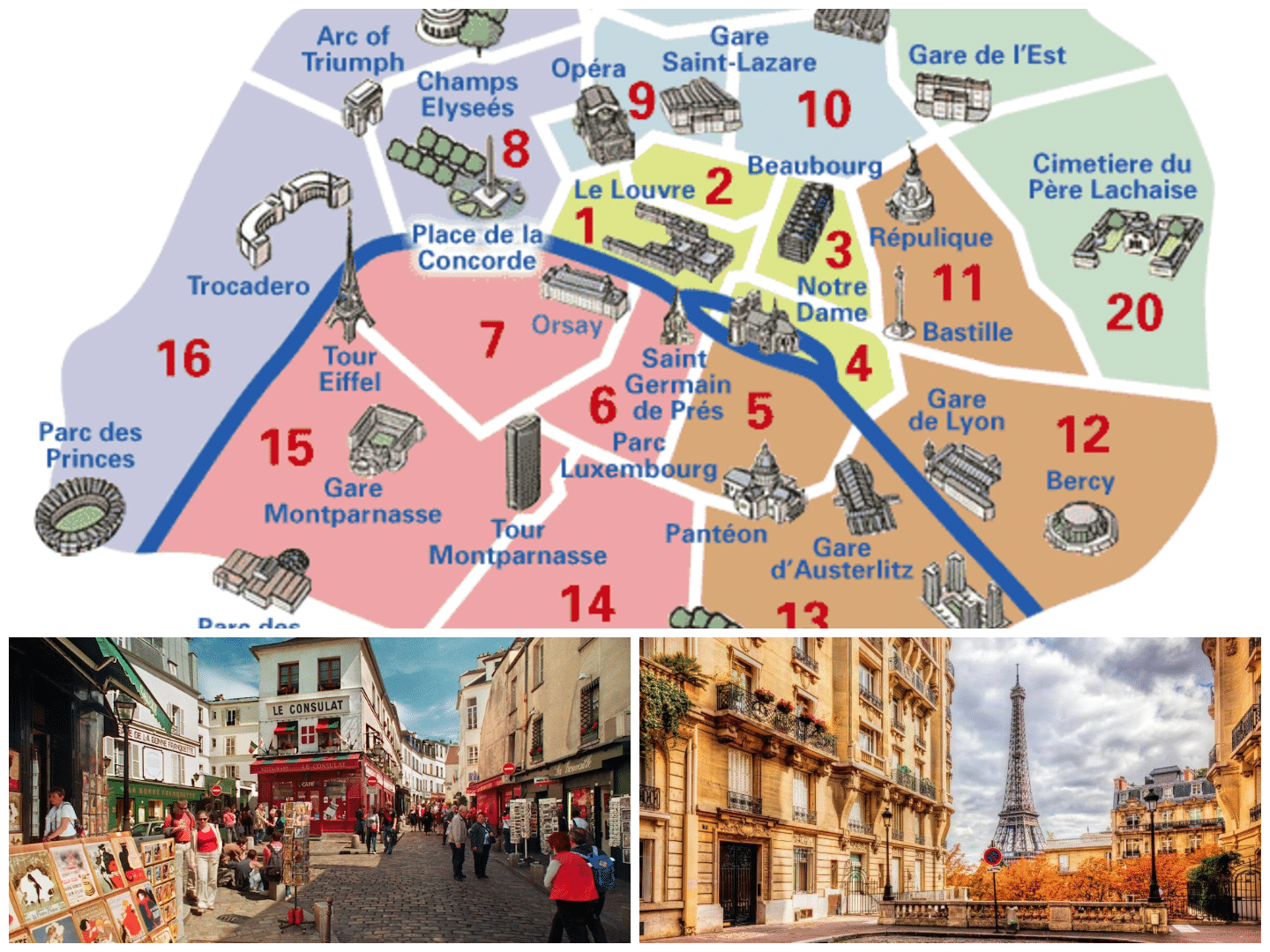
In this article, “Where to Stay in Paris,” we’ll show you the safest and most dangerous areas in the city

How do you plan your trip to Croatia
This Croatia Guide will show you how to travel to this beautiful country and see the most for the best
How do you Plan a Perfect Trip to Italy
Italy is a great country to visit. However, it is small, so we will only have time to see some
References and sources:
Photo credits:
Feature photo: ©Getty