

©Adobe stock
What are the new Spanish tourist rules 2026? Planning a Spanish getaway in 2026? From new smoking bans on terraces to strict dress codes and the “six-drink rule,” we break down the 5 essential laws you need to know to stay fine-free.
Spain is currently undergoing a significant transformation in how it welcomes visitors. As the country shifts toward a model of “quality tourism,” authorities in major hubs like Madrid, Barcelona, and Seville have introduced a wave of new regulations designed to protect local culture, public health, and the environment. While the Spanish spirit remains as warm and welcoming as ever, the rules regarding where you can smoke, what you can wear, and even how you drive have become much stricter. Most importantly, these new laws apply equally to both tourists and locals, so travelers should be aware that there are no exemptions for visitors. Whether you are on holiday or a resident, the same standards and fines will be enforced.
This trend is not unique to Spain. France has also introduced similar laws this year, especially for public health. In this guide, we explain the latest legal changes in Spain and point out where you should be careful in France as well. It is important to know that these new law proposals aren’t effective yet; however, certain regions have already implemented them into their regional legislature.
1. Smoke-Free Zones: Reclaiming the Fresh Air
The effort to limit tobacco and vaping is now a major movement to reclaim public spaces. In 2026, many popular places in Spain have become ‘Smoke-Free,’ called ‘Sin Humo.’ Watch for posters or signs that say ‘Playa Sin Humo’ (Smoke-Free Beach) or ‘Espacio Sin Humo’ (Smoke-Free Space).
These rules now cover more than just beaches. Smoking is also banned on restaurant and bar terraces, at public transport stops, and in children’s parks. If you visit France, you will see similar ‘Espace Sans Tabac’ zones in parks, beaches, and near schools. In both countries, ignoring these signs can lead to fines from 150€ to 2,000€.
If you do not see clear signs or are unsure if smoking is allowed, it is safest to assume you cannot smoke or vape. When in doubt, ask a staff member, lifeguard, or local official before smoking. This will help you avoid breaking the rules and getting fined.
2. New Rules on the Beach: Protecting the Coastline
How people use the coast, from the Costa del Sol to the Canary Islands, is changing to protect the environment and public health. In 2026, the Spanish government and local councils are working harder to keep beaches and the sea clean.
- Shower rules: Public beach showers are only for rinsing off salt and sand. It is now illegal to use soap, shampoo, or shower gel at these showers because the water goes straight back into the sea and can harm the environment. Breaking this rule can lead to a fine of up to 750€.
- Smoking and vaping ban: The ‘Smoke-Free Beach’ (Playa Sin Humo) rule now covers almost every major coastal area. Hundreds of beaches, including all in Barcelona and many in the Balearic Islands, Galicia, and Murcia, now ban both cigarettes and vapes.
- What to watch for: Look for signs showing a cigarette or vape with a red line through it. If you are caught smoking or vaping on a protected beach, fines start at 30€ and can go up to 2,000€ for repeat offenses.
- Overnight and fire rules: In places like Mallorca or Tenerife, rules are much stricter at night. You cannot light a fire or use a barbecue on the beach without official permission. Sleeping on the beach overnight is also not allowed. Local patrols may see a long nap as illegal camping, which can lead to fines of about 1,500€.
- Noise and tech: In places like San Sebastián, there are now rules against using loudspeakers on the beach to keep things peaceful. If you want to listen to music, use headphones to follow the ‘Civismo’ laws.
3. Public Conduct: The “Civismo” Social Contract
In big cities like Valencia, Barcelona, and Palma, you will see signs that say ‘Civisme’ or ‘Civismo.’ These are ‘Civic Conduct’ laws meant to keep public spaces respectful.
- Dress codes: It is now illegal to walk through city centers without a shirt or in swimwear. Bikinis and trunks are fine on the beach, but you must be fully dressed when you leave the promenade.
- Public drinking: If you see a bottle with a red line through it, it means there is zero tolerance for ‘Botellón’ (drinking in public places like plazas or parks).
- Historic sites: Many places now ban eating takeaway food on the steps of historic monuments to prevent litter and stains.
4. Driving Laws: More Than Just the Alcohol Limit
The Spanish Traffic Department (DGT) is known for being strict, especially about the 0.2g/l blood-alcohol limit. Many travelers are surprised by the ‘clothing traps’ when driving. Driving in flip-flops, sliders, or barefoot is not allowed because it limits your control. Driving shirtless or in a bikini top is also fined due to seatbelt safety. These offenses usually lead to fines between 80€ and 200€.
Driving permits are also important. If you have a license from an EU or EEA country, you can use it in Spain. If you are from outside the EU or EEA, you should carry an International Driving Permit (IDP) with your home license. Spanish authorities often ask for the IDP when renting a car or during checks. Having the right documents helps you avoid fines or problems with your rental.
5. The “Six-Drink Rule” and Safety in Resorts
In certain ‘excess tourism’ areas like Magaluf in Mallorca or San Antonio in Ibiza, there is now a ‘Six-Drink Rule’ for all-inclusive hotels. This rule only applies to these resorts and limits guests to three alcoholic drinks at lunch and three at dinner as part of the package. It does not affect bars or restaurants outside the hotels, where you can buy more drinks. The rule is meant to reduce binge drinking and keep everyone safe. In these areas, ‘balconing’—jumping between hotel balconies—is also strictly banned and leads to immediate eviction.
Essential “Must-Pack” Document Checklist
To make sure your trip goes smoothly, keep this checklist in mind:
- Original Prescription Packaging: Always keep pills in their original boxes with the pharmacy label showing your name.
- Medical Certificate: Carry a doctor’s note for any essential medications (this is also vital for France, where customs have become stricter).
- The ‘City Shirt’: Carry a light linen shirt or sarong in your beach bag so you can put it on as soon as you leave the sand.
- Physical Photo ID: Law requires you to carry a physical, valid ID (Passport or National ID) at all times.
- Proper driving shoes: Keep a pair of sneakers in your car to avoid getting fined for wearing flip-flops.
A Final Note on the “Siesta”: While there isn’t always a sign for it, the afternoon Siesta (2:00 PM to 5:00 PM) is like an unwritten rule. In residential areas, loud noise during these hours can lead to fines. When you see shutters closed, keep your voice down to respect local customs. Rules, including Siesta and other local regulations, can vary between large cities, coastal resorts, and smaller towns or rural areas. While major tourist destinations tend to enforce the rules strictly and often carry out checks, in quieter villages or less-visited regions, local authorities may take a more relaxed or informal approach. However, it is always safest to assume that the rules apply everywhere to avoid any misunderstandings or unexpected fines.
Related posts
Take a look at

Our Ultimate Valencia Food Guide
Discover the top spots for authentic Paella Valenciana and the best food in Valencia with our comprehensive food guide. Includes queer-friendly bars, local secrets like Fideuà, and must-know tips on siesta hours and budget travel.

Gay Valencia: The Mediterranean’s Boldest Queer Secret
Experience Spain’s third-largest city. From the creative pulse of Ruzafa to the futuristic Turia Gardens, explore the best of gay Valencia with our 2026 guide.
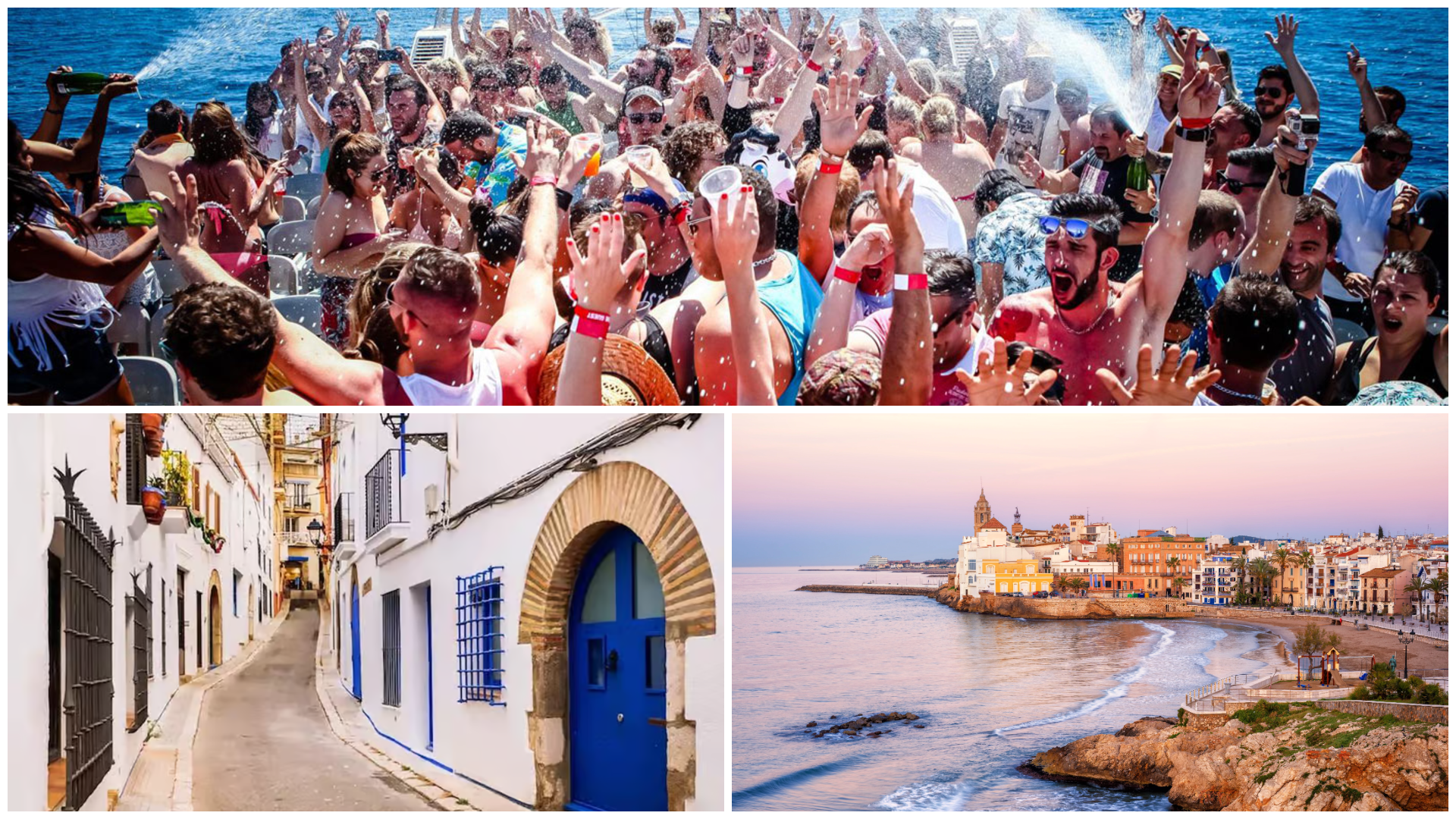
Our Ultimate Sitges Gay Travel Guide for Your 2026 Trip
Explore Spain’s sun-kissed gay paradise with our Gay Sitges Travel Guide. From electric nightlife to the world’s oldest gay beach, discover the magic of Sitges.
References and sources:
Photo credits:
Feature photo: Adobe stock