
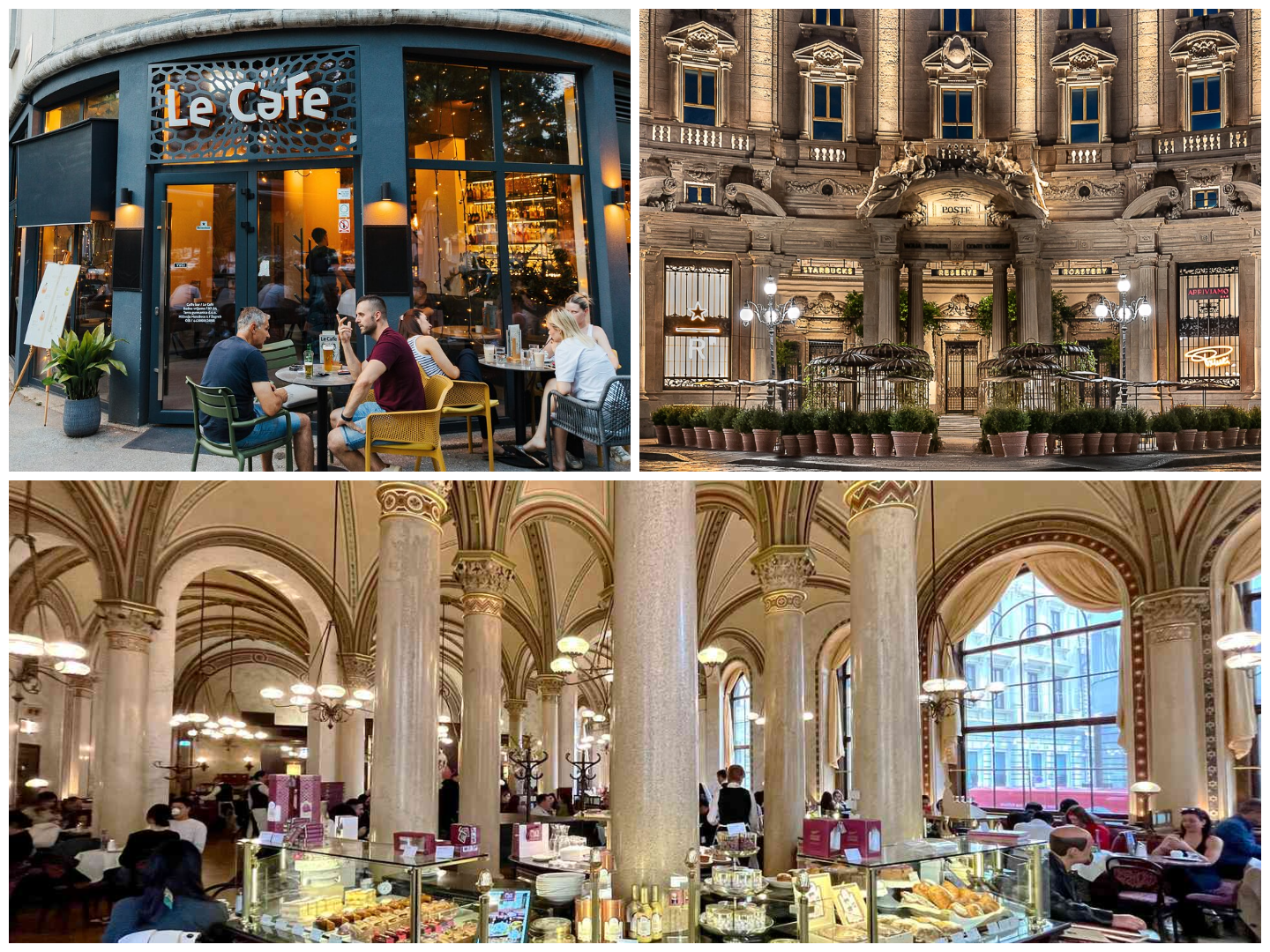
During the cold winter months, we all look for warm places to relax and enjoy the beautiful winter scenery. That’s why we want to share with you some of the most Instagrammable European coffee houses, where you can stay cozy and warm during the coldest time of the year.
©ShutterStock
Introduction: Where Time Slows Down
As winter blankets the grand avenues and ancient squares of Europe, the true heart of the city can be found sparkling in the warm glow of its coffee houses. These spots are far more than places to grab a quick caffeine fix; they are centuries-old institutions, artistic sanctuaries, and modern design havens built for escape.
In the short, cold days of a European winter, finding a beautiful indoor refuge becomes paramount. Moreover, the best coffee houses offer a unique blend of comfort and culture, allowing you to linger for hours in spaces steeped in history or sleek, contemporary style. From the gilded halls of Vienna’s imperial palaces to the pastel-hued dreamscapes of Milan, these destinations offer a luxurious way to warm up, people-watch, and capture magazine-worthy moments.
So, join us as we step inside the warmest, most welcoming, and most Instagrammable European coffeehouses to transform your winter city break into a cozy cultural adventure.
Our list of the most Instagrammable European Coffee Houses
Paris: The Epitome of Chic Elegance
The Parisian café is where social theater meets tradition, exemplified by iconic spots like Café de Flore.
Culture & Etiquette
Politeness is key. Always say “Bonjour” upon entering and “Merci, au revoir” upon leaving. Coffee culture here is dual: you can have a quick, cheap espresso at the zinc bar or sit down at a table to enjoy a longer, more expensive experience. Sitting on the heated terrace in winter allows you to absorb the streetscape. Unlike in Vienna, you are generally expected to order more if you stay for an extended period. However, lingering is still part of the culture.
The Spot: Café de Flore
- Vibe: Timeless, Literary Parisian Chic. Imagine leather banquettes, beveled mirrors, and white starched aprons. It’s less about a lavish interior and more about the vibe of classic French intellectualism.
- Why it’s Instagrammable: The green awning and red letters are well-known around the world. In winter, the heated, glass-enclosed outdoor terrace lets you enjoy the cold Paris street scene and stylish Parisians while staying warm and cozy.
- Why Visit in Winter: The lighting inside is warm and dim, creating a perfect refuge. It’s an ideal spot to write, read, or people-watch for hours, fulfilling the ultimate “Parisian author” fantasy.
- General Prices: High-end. Expect a coffee or cappuccino to be €4.50 – €8.00, especially if sitting at a table rather than the bar. A classic French breakfast (coffee, juice, croissant) can run €15-€25.
Vienna: Imperial Grandeur and Old-World Luxury
The Viennese coffee house (Kaffeehaus) is a UNESCO Intangible Cultural Heritage site for a reason. It is famously a place “where time and space are consumed, but only the coffee is found on the bill.”
Culture & Etiquette
In Vienna, it’s common to relax and take your time. You can order a single Melange, which is like a cappuccino, and feel free to spend two hours reading newspapers or working. When you order coffee, the waiter will bring you a complimentary glass of water and refill it quietly. You are paying for the atmosphere and the chance to treat the café like your own “extended living room.” While tipping is appreciated, it is simple—just round up to the nearest Euro or add 5-10%.
The Spot: Café Central
- Vibe: Majestic Imperial Opulence. Think high vaulted ceilings, marble pillars, sparkling chandeliers, and walls lined with historical portraits. It feels like a palace’s ballroom repurposed for coffee.
- Why it’s Instagrammable: The incredible architecture is the main draw. The ceiling shots and wide angles capturing the entire hall are breathtaking. The most famous photo is of the seated statue of the well-known former patron, Peter Altenberg, at the entrance.
- Why Visit in Winter: Vienna’s UNESCO-recognized coffee house culture is best understood as the city’s “extended living room.“ On a cold day, settling into a plush velvet armchair with a traditional Melange (Viennese cappuccino) and a slice of Sachertorte is the ultimate warm indulgence.
- General Prices: Upper-mid-range. A typical coffee or Melange is €3.80 – €5.50. A slice of cake is around €5.00 – €7.00.
Milan: Wes Anderson’s Retro Dream
Italian coffee culture is all about quality, speed, and timing.
Culture & Etiquette
Traditional Italian etiquette emphasizes a quick morning coffee routine. Most people drink an espresso, also called caffè, in one or two sips while standing at the bar. This is the cheapest and fastest option. Cappuccinos and lattes are only for the morning, ideally before 11 am. Ordering a milky coffee after a meal is considered rude for tourists. Modern European coffee houses, like Bar Luce, are exceptions. They encourage customers to linger because of their artful atmosphere. So, which is the most instagrammable coffee house in Milan?
The Spot: Bar Luce (Fondazione Prada)
- Vibe: Mid-Century Italian Nostalgia. Designed by film director Wes Anderson, this café is a perfectly composed pastel dream, evoking the charming atmosphere of 1950s and 60s Milanese cafés.
- Why it’s Instagrammable: Every corner has a unique design. The floor is pink terrazzo. The furniture is retro Formica in mint green and blue. The walls are made of wood paneling, and there’s a vintage-style jukebox. This space is easy to recognize, and everything matches perfectly.
- Why Visit in Winter: It’s an indoor art installation and a warm, colorful escape from Milan’s often grey winter weather. You are sheltered in a space dedicated entirely to aesthetic pleasure. It also offers the chance to visit the surrounding Fondazione Prada art complex.
- General Prices: Mid-range. An espresso is usually Italian-standard cheap (around €1.50 at the bar), but other specialty drinks and pastries are priced higher due to the location and brand, averaging €4.00 – €7.00.
Zagreb: Modern Minimalist Hygge
Croatian coffee culture is fiercely social and highly contemporary.
Culture & Etiquette
Zagreb’s café scene, known as špica, is a popular weekend activity, especially on Saturday mornings when the main square is lively with locals. The coffee is usually excellent and high-quality. People often sit and socialize for a long time, sometimes just over one coffee. This makes it a great, low-cost option for a cozy winter outing.
The Spot: Botaničar (or Greenery Procaffe)
- Vibe: Artsy, Green, and Contemporary. This is less historic grandeur and more modern, light-filled, nature-inspired design. Think high ceilings, raw wood, and abundant hanging plants, creating an indoor garden feel.
- Why it’s Instagrammable: The contrast between the cold Croatian winter outside and the lush, vibrant greenery inside is highly photogenic. It embodies the modern “hygge“ trend—a cozy, clean, and warm space filled with natural elements.
- Why Visit in Winter: As coffee culture in Zagreb is a very social activity, these spots serve as a warm hub for meeting friends and lingering. The natural light filtering through the large windows feels incredibly restorative when the days are short and cold.
- General Prices: Affordable/Mid-range. Zagreb is generally cheaper than Western European cities. A cappuccino is typically €2.50 – €4.00, and a pastry or small breakfast item is around €3.00 – €5.00.
Istanbul: Traditional Turkish Delight and History
Turkish coffee is a ritual steeped in history, best experienced in the city’s traditional coffee houses.
Culture & Etiquette
Turkish coffee is thick, finely ground, and slow-boiled in a copper pot (cezve), served in a tiny cup with the grounds settling at the bottom—do not drink the grounds! It is always served with a glass of water and often a piece of Turkish delight. The act of sharing a cup and sipping it slowly is a social one. It is a moment of deep, historic warmth and conversation.
The Spot: Mandabatmaz (Istiklal Street)
- Vibe: Authentic, Tiny, and Atmospheric. This is the antithesis of a palace café. It is a small, traditional coffee house focused entirely on the art of Turkish coffee and honest, no-frills warmth.
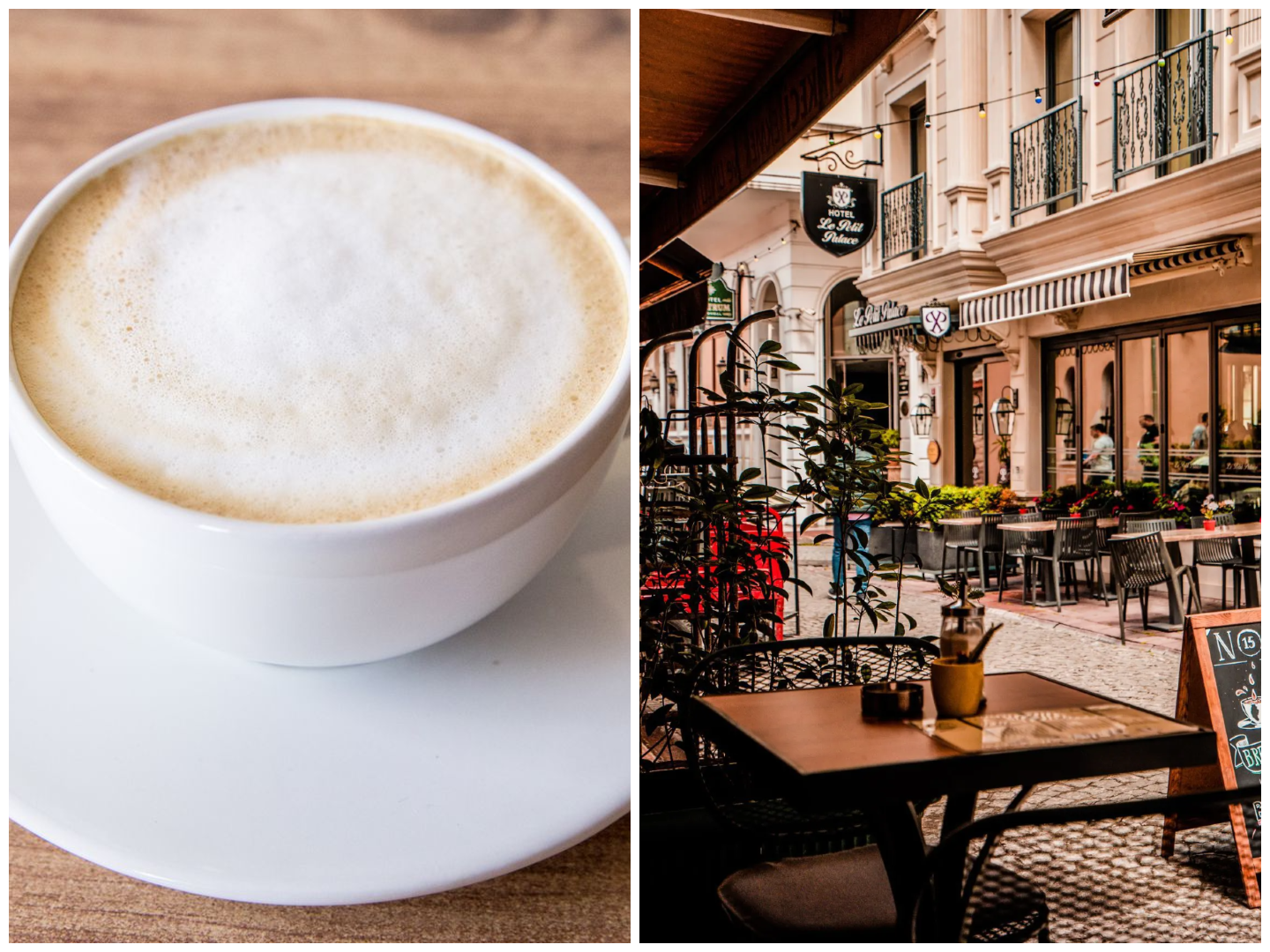
- Why it’s Instagrammable: The close-up shot of the rich, foamy Turkish coffee (so thick the foam won’t sink—hence the name, which means “buffalo won’t sink”) in the tiny copper pot is a classic Istanbul image. The small, cluttered, and genuine local interior offers an authentic travel shot.
- Why Visit in Winter: Turkish coffee is traditionally slow-brewed and served piping hot. This spot provides an intense, warm sensory experience perfect for shocking the chill out of your bones after walking Istiklal Street. It is an authentic cultural moment.
- General Prices: Very Affordable. Turkish coffee is usually inexpensive. Expect to pay around ₺50 – ₺80 TRY (approx. €1.50 – €2.50).
Barcelona: Stylish Design and Specialty Brews
Barcelona’s culture blends the fast Spanish espresso habit with the contemporary trend of savoring specialty coffee.
Culture & Etiquette
The most common drink is Café con Leche, which is espresso with steamed milk. Like in Italy, people often enjoy milky beverages in the morning. However, “third-wave” specialty coffee shops, like Nomad Coffee, offer a different experience. These places focus on slower, filter-style coffee and encourage sitting and socializing. The atmosphere is lively and social, especially in the late afternoon.
The Spot: Nomad Coffee (Various Locations, e.g., Passatge Sert)
- Vibe: Sleek, Minimalist, Third-Wave Coffee Lab. This is not a classic Spanish cafetería but a focus on the craft of coffee. The vibe is often industrial-chic, focusing on clean lines and natural light.
- Why it’s Instagrammable: Their Passatge Sert location is a spacious, light-filled area with an industrial look. It features well-designed packaging, brewing equipment you might find in a lab, and beautifully poured latte art. This setting is ideal for modern coffee lovers.
- Why Visit in Winter: While Barcelona is mild, a rainy or cooler day is best spent indoors. Nomad champions the slow coffee movement (pour-overs, filters), which encourages you to sit, savor, and warm up slowly, appreciating the craft rather than the quick Spanish espresso hit.
- General Prices: Mid-range.Specialty roasters charge higher prices than regular Spanish bars. A filter coffee or cappuccino usually costs between €3.50 and €5.00.
Conclusion: Finding Warmth in Aesthetics
When the weather gets cold, finding warmth becomes significant for travelers. The beautiful European coffee houses we’ve visited—from the grand ones in Vienna to the simple ones in Zagreb—offer more than just great views. They are cultural spots that provide a cozy escape, encourage conversations, and let you enjoy a hot drink in lovely settings.
By visiting these stunning places, you’re not just avoiding the cold; you are stepping into a rich history and tradition. This makes your winter trip both comfortable and memorable. The contrast of the snow outside and the warmth of a Melange inside creates the perfect European winter coffee culture experience.
Take a look at

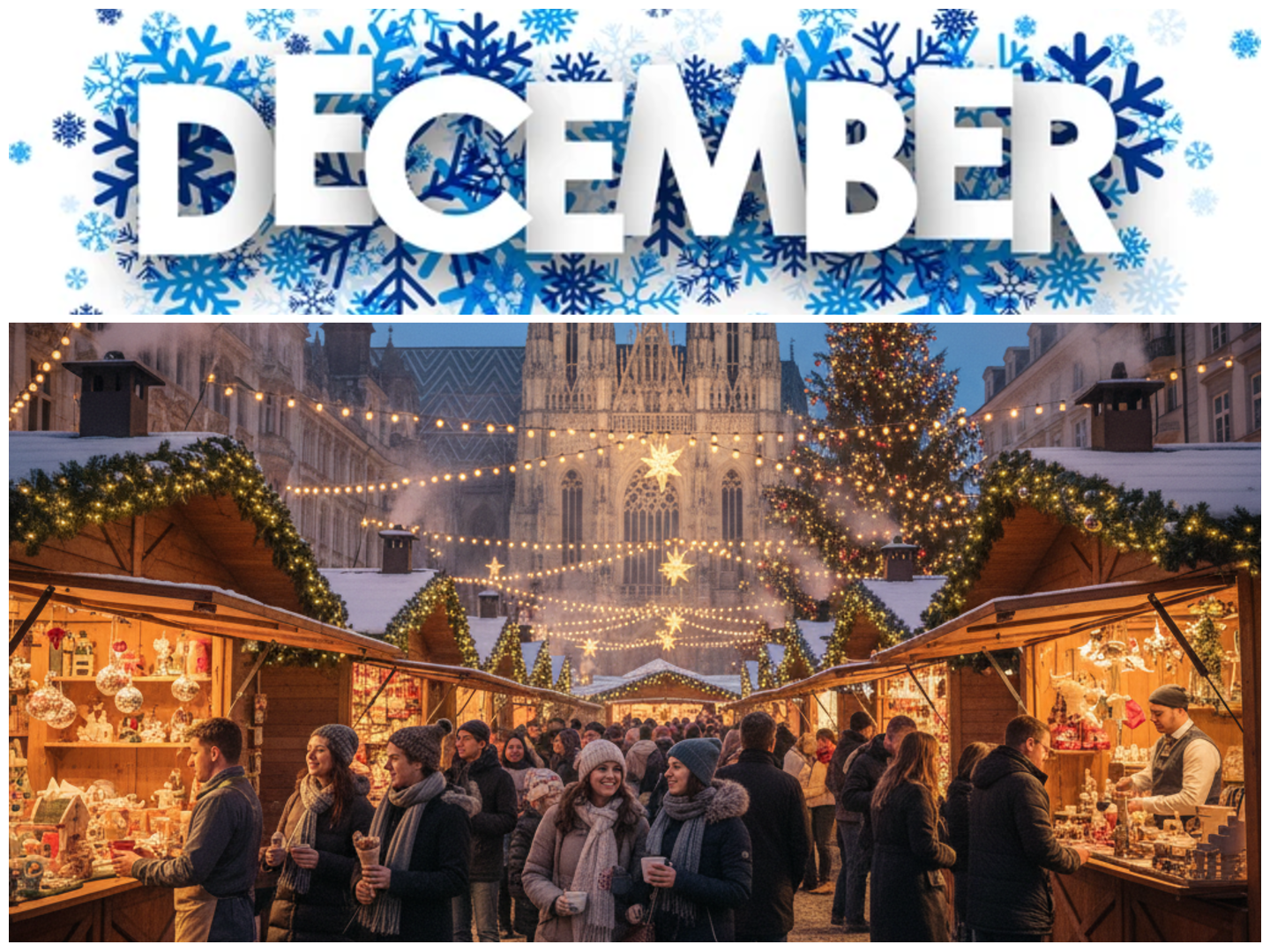
Europe’s Top Fairytale Destinations for a December Getaway
If you still haven’t decided where to go, check out our latest guide to find out which December travel destination
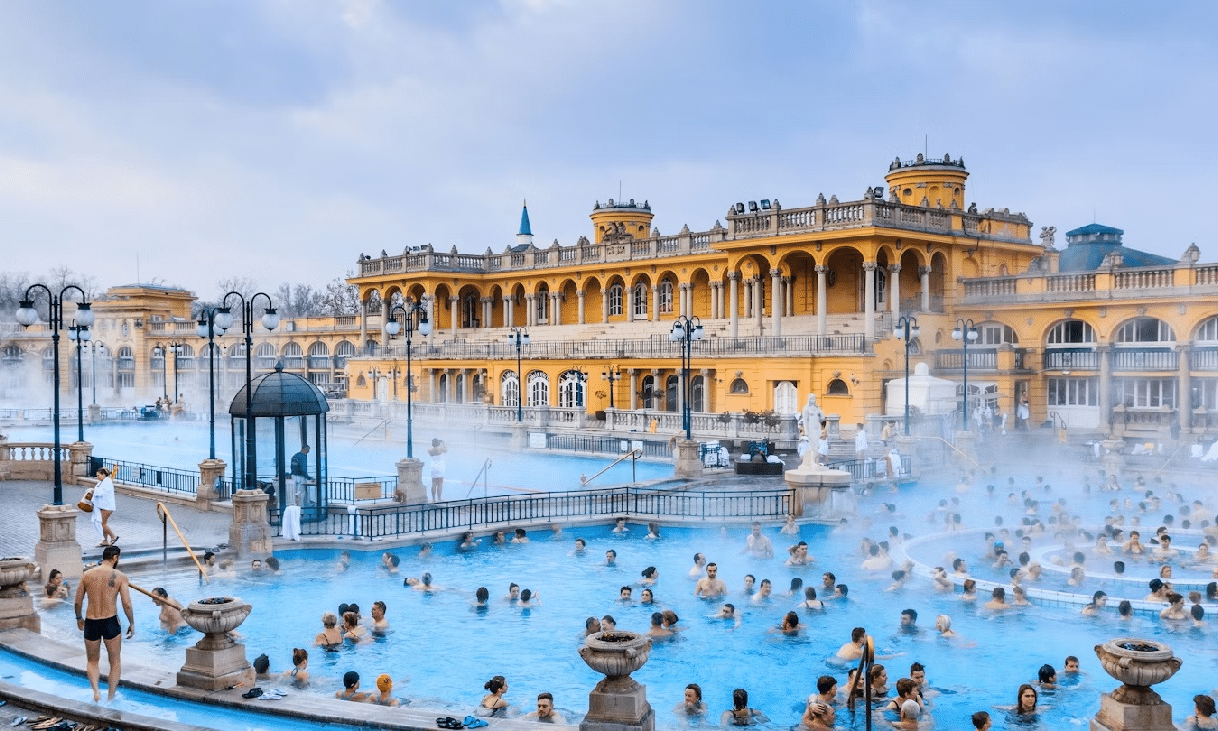
The Best Budapest Spa Bathauses
Hungary boasts more than 1,300 thermal springs, including 123 fonts in Budapest alone, earning it the nickname “City of Spas.”
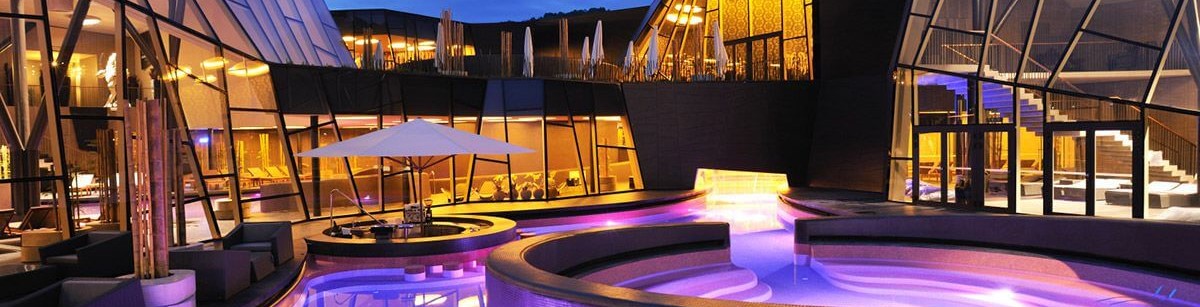
Discover the fantastic thermal spa resort Olimia
In this post, we will discover this fantastic thermal spa resort, Olimia, which has been the leading spa resort in

References and sources:
Photo credits:
Feature Photo credits: ©ShutterStock