
Europe in 2026 is moving beyond traditional tourism to a landscape defined by “Cultural Gravity”—a series of once-in-a-decade milestones that are physically transforming urban centers into global hubs of energy. We’ve moved past generic “best-of” metrics to identify the destinations where history, infrastructure, and queer culture are colliding in real-time. By filtering every recommendation through a lens of lived queer safety and the massive European Rail Revival, we have mapped out the cities that offer a profound, time-sensitive reason to visit this year.
The travel landscape in Europe 2026 is being defined by a few major events that only happen once every ten years. These milestones are acting like magnets, drawing global attention to specific urban centers. As we look ahead, the central question remains: which European city should you visit in 2026 to be at the heart of this excitement? We have moved beyond generic checklists to identify the top European gay cities to visit that offer a profound, time-sensitive reason to arrive this year.
How We Call the Shots
We don’t believe in “checklist tourism.” To build the 2026 leaderboard, we analyzed the intersection of cultural momentum and queer safety through three specific lenses. First, we look for Cultural Gravity, identifying one-off global milestones that physically change a city, such as Frankfurt’s takeover as World Design Capital and Amsterdam’s 25th-anniversary celebration of marriage equality. We also track the “TikTok Pulse” because static reviews are dead; we analyze real-time, short-form video data to verify queer safety through a real-world lens. Finally, we look for the Value Swap, identifying cities where the local economy allows you to “trade up” by booking a high-design boutique experience for a fraction of the cost. This methodology favors the Rail Revival, prioritizing cities newly connected by the 2026 expansion of the European Sleeper and Nightjet routes.
Key Events for Your 2026 Calendar
If you plan your year around milestones, these are the non-negotiable dates. These events define the top European gay cities to visit and serve as the primary drivers of global energy:
1. Amsterdam, Netherlands: The Jubilee of Equality
2026 marks exactly 25 years since the world’s first same-sex marriage took place here. To celebrate, Amsterdam is hosting a “triple-crown” event: WorldPride, EuroPride, and the 750th Anniversary of the City. The entire UNESCO-listed canal belt will become a floating stage for the largest Canal Parade in history. For the queer traveler, this isn’t just a party; it’s a pilgrimage to the birthplace of modern equality, with high-concept takeovers at the Van Gogh Museum and De Balie defining the cultural program.
2. Valencia, Spain: The Green Olympic Spirit
Valencia is hosting the XII Gay Games from June 27 to July 4, but the city itself is the star following the completion of the “Turia Transformation,” which turned a former riverbed into a massive urban forest. Beyond the sports, 2026 sees a rare Total Solar Eclipse passing directly over the city in August. It is an unmissable alignment of athletic celebration and astronomical wonder in one of Europe’s most progressive hubs, offering a perfect blend of beach life and high-tech urbanism.
3. Frankfurt, Germany: The World’s Design Lab
Named World Design Capital 2026, Frankfurt is rethinking “Design for Democracy” with over 2,000 events and public art trails designed for social inclusion. Frankfurt in 2026 feels less like a financial center and more like a futuristic laboratory for urban queer life. We recommend exploring the Osthafen district, where industrial harbors have been revitalized into creative playgrounds of galleries and alternative club spaces.
4. Milan, Italy: The Winter Metamorphosis
The 2026 Winter Olympics & Paralympics arrive in Milan with a focus on sustainable “urban reuse.” The Porta Romana district has been reborn as a social plaza, providing a new heartbeat for the city. Meanwhile, the queer heart of the city in Porta Venezia remains more high-octane than ever, with Via Lecco serving as the epicenter of Italian fashion and nightlife.
5. Oulu, Finland: Arctic Cultural Change
As the European Capital of Culture 2026, this northern Finnish city is hosting over 1,000 events, featuring Sámi Opera performed under the Aurora and “Arctic Food Labs.” It offers the ultimate “Coolcation” experience—an escape from Mediterranean heatwaves where art meets science. It’s a destination for those seeking a mental hard reset in a landscape where the midnight sun meets cutting-edge Nordic design.
6. Seville, Spain: The Walkable Renaissance
Seville is leading Europe’s “Active Transit” movement, and by 2026, its historic center will be one of the largest pedestrian-only zones on the continent. This makes exploring the Alameda de Hércules—the soul of the queer scene—an effortless joy. Experience authentic Flamenco overlapping with avant-garde drag in a city that is successfully blending its traditional Moorish heritage with a radically inclusive future.
7. Wroclaw, Poland: The Alternative Hub
Often called the “Polish Berlin,” Wroclaw offers an incredible “Value Swap” where your travel budget goes three times further. The local queer community centers its energy around the Neon Side Gallery, a courtyard filled with vintage Soviet-era signs. It is an edgy, artsy destination that provides a raw, authentic alternative to the crowded tourist tracks of Western Europe.
8. Athens, Greece: The Neighborhood Revival
Athens is moving past its ancient ruins to focus on community-led revivals in neighborhoods like Kypseli and Pangrati. The Kypseli Agora has become a social entrepreneurship hotspot, and for queer travelers, Athens currently offers the most radical and diverse drag and inclusive art scene in the Balkans, rooted in authentic local coffee culture and late-night social activism.
9. London, United Kingdom: The Jet-Setting Center
2026 is a massive year for British film, and London is at the center of the “set-jetting” trend. While Soho holds the historic legacy, the queer energy has shifted East to Hackney and Dalston. Here, the community is focused on “High-Concept Cabaret” and experimental performance art, offering a gritty, high-fashion experience that feels entirely distinct from the West End.
10. Lisbon, Portugal: The Eclipse Apex
On August 12, 2026, Lisbon will be a premier urban vantage point for the Total Solar Eclipse. Beyond the astronomy, the Príncipe Real district has solidified itself as one of the most sophisticated queer enclaves in Europe. It’s a city that manages to feel both nostalgic and revolutionary, blending 19th-century mansions with hidden garden bars and cutting-edge boutique shopping.
How to get in
We recommend entering Europe through Frankfurt or Amsterdam to take advantage of their massive rail connectivity. We suggest checking that your ETIAS authorization is processed at least 4 days before you fly. Please be aware that the Entry/Exit System (EES) is fully active as of April 2026, meaning biometric scans are now mandatory at the border, and physical stamps are obsolete.
How to move around
We are fully committed to the Rail Revival and suggest using the expanded European Sleeper network which now connects Amsterdam to Milan directly. Once inside the cities, we recommend using local bike-share systems which are integrated into digital wallets for ease of use. Most 2026 hotspots have expanded their “Green Zones,” so we find that walking and cycling are the fastest ways to navigate these newly pedestrianized capitals.
Take a look at

Our Ultimate Valencia Food Guide
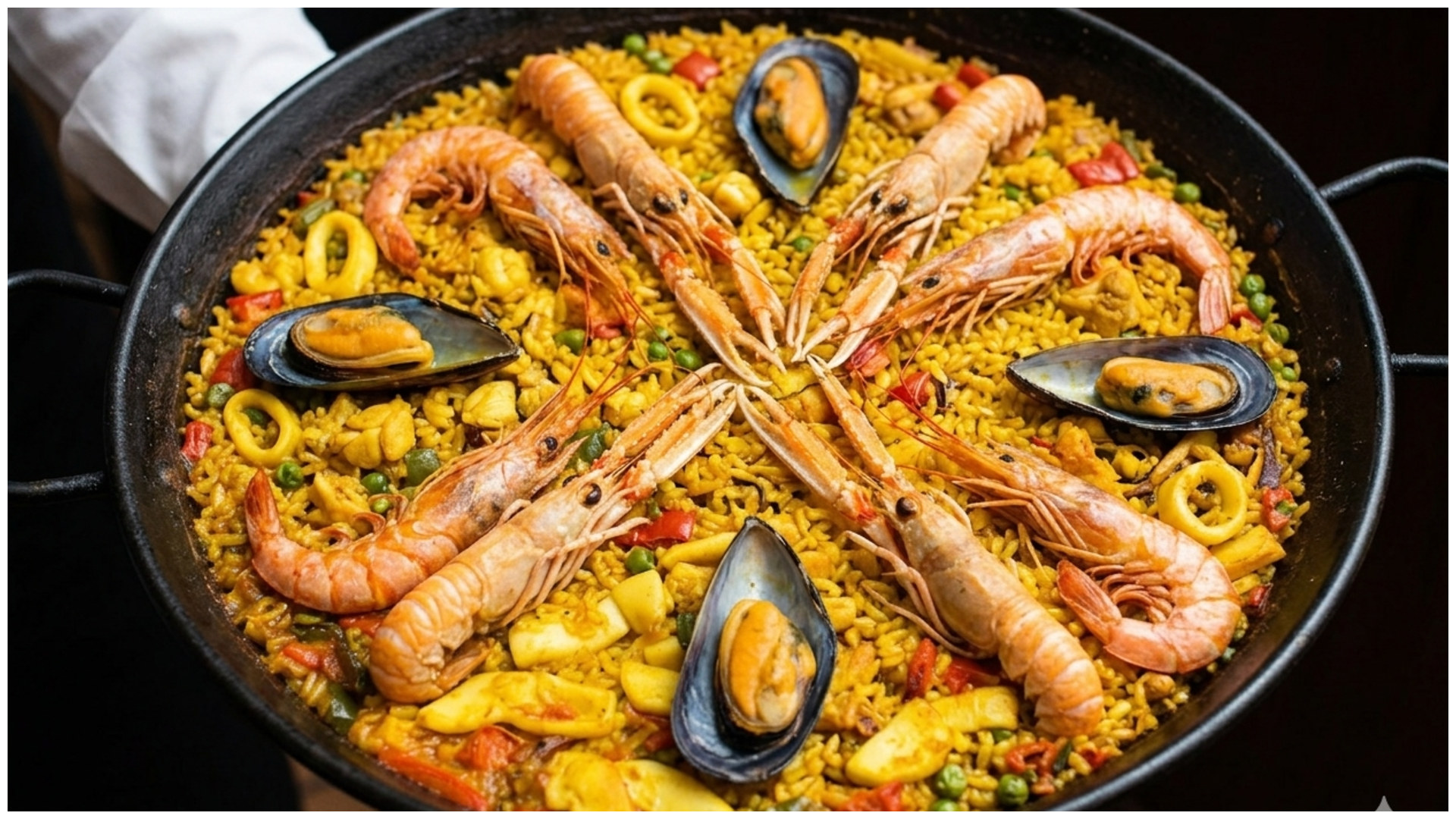
Discover the top spots for authentic Paella Valenciana and the best food in Valencia with our comprehensive food guide. Includes queer-friendly bars, local secrets like Fideuà, and must-know tips on siesta hours and budget travel.

Gay Valencia: The Mediterranean’s Boldest Queer Secret
Experience Spain’s third-largest city. From the creative pulse of Ruzafa to the futuristic Turia Gardens, explore the best of gay Valencia with our 2026 guide.
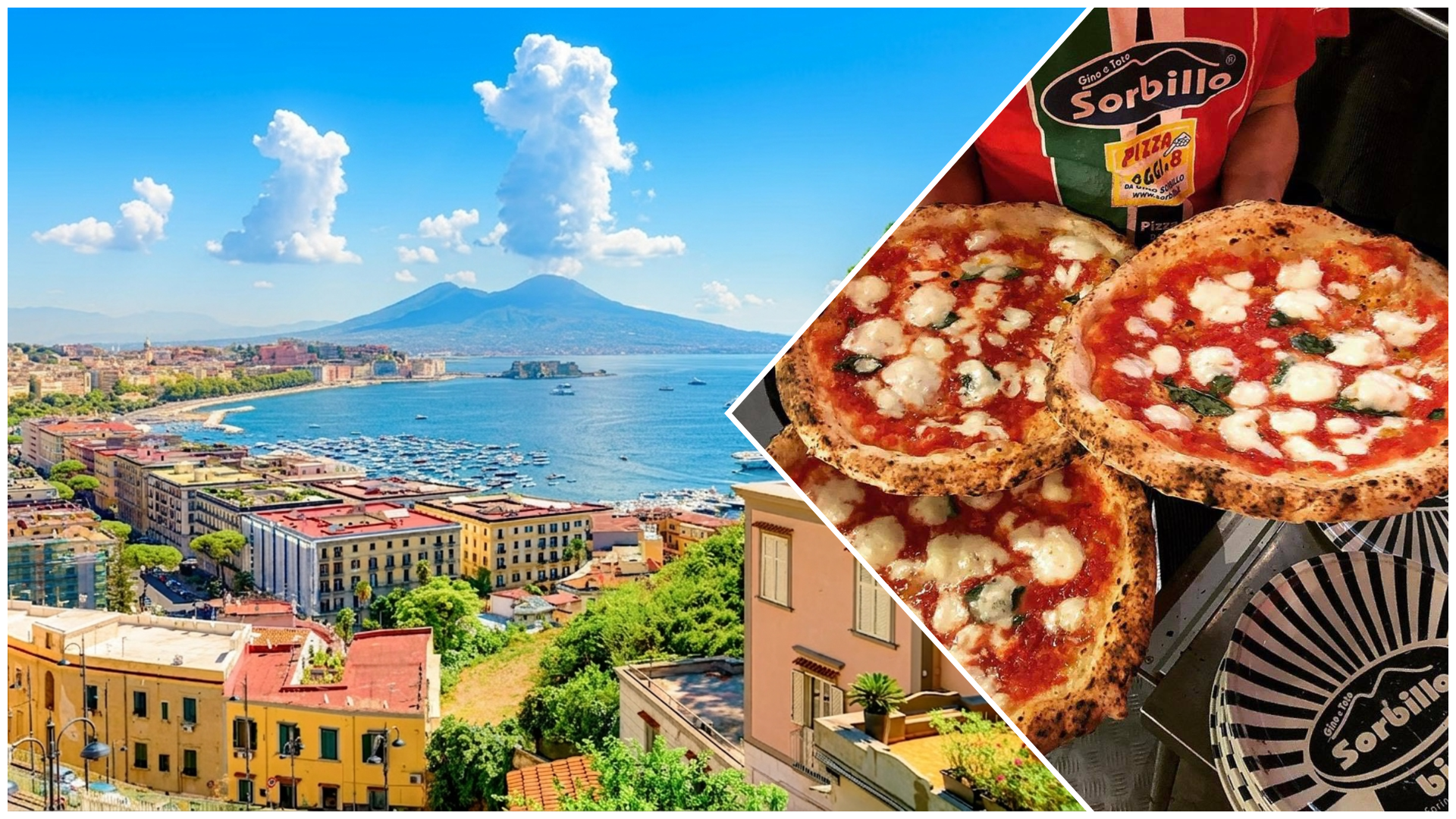
Queer-Friendly Naples Food Guide 2026: From Legendary Pizza to the Best Street Food Secrets
Discover the soul of Naples with our queer-friendly Naples food guide. Journey from the iconic history of Sorbillo’s pizza, through the the vibrant, inclusive spirit of Piazza Bellini. This is your authentic, LGBT-friendly guide to experiencing Italy’s most vibrant city through its unforgettable street food and culture.