

We use affiliate links, including Amazon Associates. This means if you book a stay or buy a piece of gear through our links, we may earn a small commission at no extra cost to you. This helps us keep our guides free and independent. We only recommend what we truly value.
The Quick Stats: Valencia at a Glance
- Queer-Friendly Scale: 9.5/10 (Exceptionally inclusive and visible for all LGBTQ+ folks).
- Daily Budget: €70–€140 (Significant value compared to northern cities).
- Best Time to Visit: Late June for Valencia Pride—a joyful, community-centered celebration—or mid-March for the explosive Las Fallas festival.
- Top 3 Must-Dos: A sunset bike ride through the Turia Gardens, Sunday vermouth in Ruzafa, and What to See & Do: Beyond the Plate
Must-sees and must-dos in Valencia
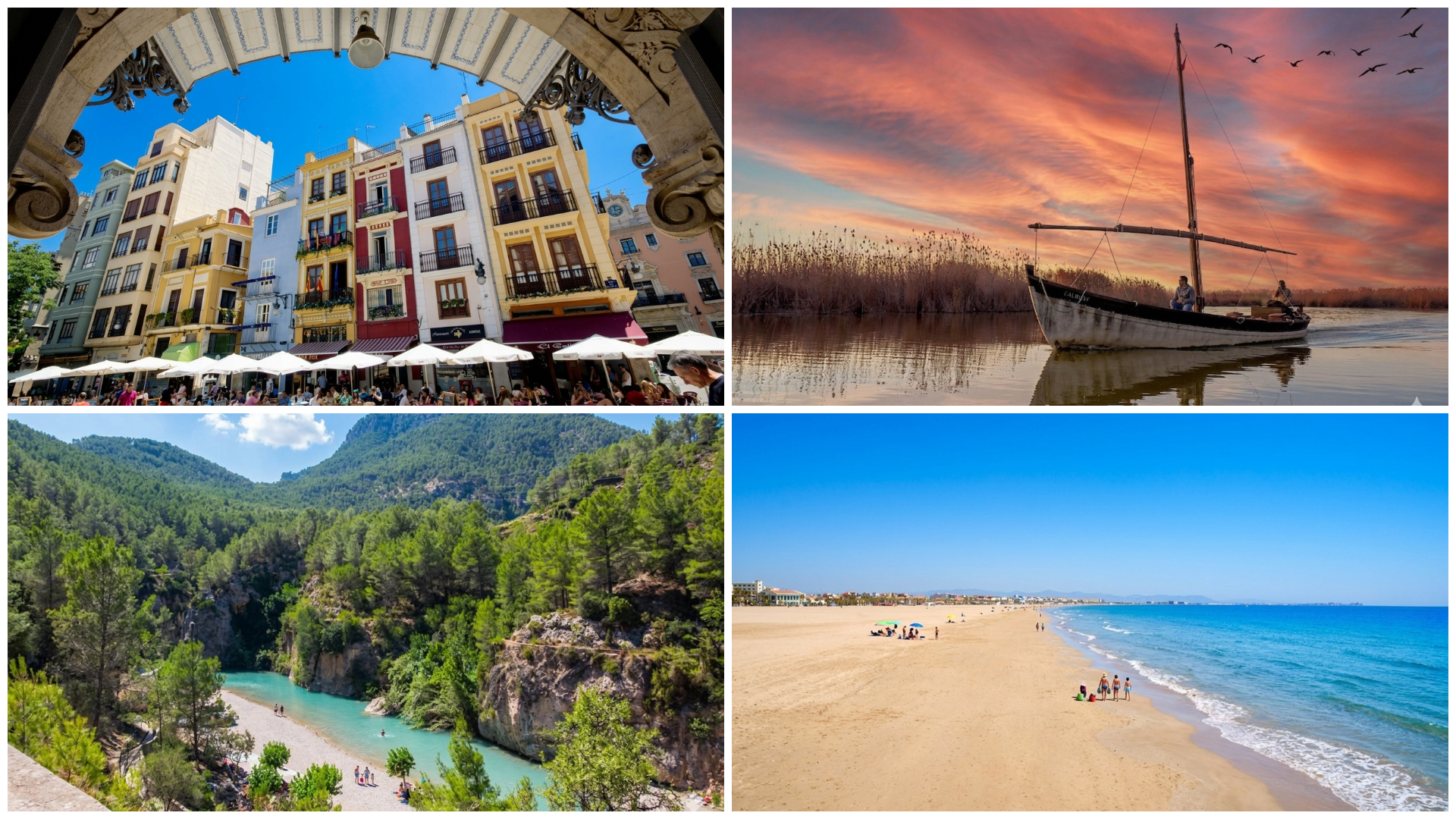
- The City of Arts and Sciences: This futuristic complex is an absolute must-see. Designed by Santiago Calatrava, walking among the white, skeletal structures and shimmering turquoise pools feels like stepping onto a sci-fi movie set. It’s a spectacular spot for inclusive, creative photoshoots, especially during the “golden hour” just before sunset.
- The Central Market (Mercado Central): A modernist masterpiece of iron, glass, and colorful tiles. Under its giant dome, you’ll find the freshest ingredients in the city. We love coming here to grab local cheeses, cured hams, and fresh fruit for a picnic—it’s a sensory explosion that represents the heart of Valencian life.
- El Carmen District: The old town is a vibrant maze of street art, historic gates like the Torres de Serranos, and hidden plazas. We love getting lost here; every corner tells a story, the vibe is bohemian and free, and it is home to many of the city’s most welcoming, queer-friendly cafes.
- The Beach (La Malvarrosa): Just a short tram ride from the center, this wide, sandy stretch of paradise is perfect for a sunset stroll. The promenade is lined with restaurants where you can hear the waves crashing while you dine, offering a perfect coastal escape without leaving the city limits.
Best Day Trips
- L’Albufera National Park: Just 10km south of the city, the landscape shifts from urban sprawl to the vast, shimmering expanse of the L’Albufera National Park. This freshwater lagoon is the lifeblood of the region, providing the perfect conditions for the famous paella rice to flourish. We find that pedaling from Valencia to the park is the most immersive way to experience the transition. The route is remarkably flat and follows a dedicated path that winds through the Saler pine forests. Cycling allows us to feel the Mediterranean breeze and smell the salt air long before we reach the water’s edge.
- Xàtiva: Hop on a local train to see one of Spain’s most impressive castles. It stretches dramatically across a mountain ridge, offering breathtaking views of the surrounding valley. It’s a bit of a climb to the top, but the layers of Roman, Moorish, and Christian history are palpable at every step.
- Montanejos Hot Springs: If you’re looking for a bit of adventure, we suggest using BlaBlaCar to reach these natural thermal pools tucked away in the mountains. The water stays a constant, refreshing 25°C year-round. Swimming in the turquoise river, surrounded by towering limestone cliffs, feels like visiting a natural high-end spa and exploring the futuristic City of Arts and Sciences.
Health, Safety, and Queer Friendliness in Valencia
Queer Safety and Local Attitudes
- Solo vs. Couple Safety: Couples of all genders will find a wealth of “Travel Proud” hotels and inclusive dining. Solo travelers—including trans and non-binary folks—will find Valencia remarkably easy to navigate thanks to its flat landscape and the open, social nature of the Valencianos. The queer scene isn’t hidden away; it’s the beating heart of the vibrant Ruzafa district.
- Safety Climate: Violent crime is rare, and the local police are approachable and well-trained in anti-discrimination protocols. Allies are visible throughout the city, and support for LGBTQ+ rights is strong among locals.
“While Valencia is incredibly welcoming, staying updated on local regulations ensures our trip remains stress-free. From beach conduct to alcohol laws, make sure you’re familiar with the new Spain tourist rules for 2026 to avoid heavy fines and travel like a local.”
Pickpockets and Common Scams
- Common Scams: For everyone in our community, it’s important to be vigilant around “street performers” who attract large crowds, as these moments are prime for pickpockets. Another well-known trick is the “bird poop” scam—someone distracts you by squirting a liquid on your clothes and offers to help clean it, while an accomplice tries to take your wallet.
- Theft Prevention: To keep your trip smooth and empowering for everyone, always keep your belongings in sight at the Central Market and on the Metro. At the beach, don’t leave your bag unattended while you swim—instead, take turns with your friends or chosen family, or use a waterproof pouch to keep your essentials safe. These steps help ensure that all queer travelers can fully enjoy Valencia’s welcoming vibe.
Logistics & Essence
How to Get In:
How to Move Around:
- Bikes & Nature: For longer distances, the Valenbisi bike-share system is a top choice. We suggest cycling through the Turia Gardens, a scenic, traffic-free park in a converted riverbed that offers a beautiful route across the city. It’s a great way to connect with the local community in a lush, green setting.
- Ride-Sharing & Taxis: If you prefer the comfort of a car, Uber and Bolt are both active here. You should also download Cabify, which is incredibly popular in Spain and often provides a very professional service. Of course, the white city taxis are everywhere and can be easily hailed on the street.
- Budget Travel for the Youth: If you are a younger traveler (typically under 30 or 31, depending on the current regional promotion), look into the “Abono Jove.” The Valencian government frequently offers free or heavily discounted public transport passes for young people, making it even easier to save your Euros for more tapas!
- Regional Connections: For day trips to the beach or nearby mountain villages, we always encourage using BlaBlaCar. It’s a staple of Spanish travel—economical, easy to use, and a fantastic way to meet locals from all walks of life who can share their own hidden gems of the city.
Ready to book your transport?
For all trains, buses, and general flight bookings, we recommend using Omio ➡️ [Book Transport on Omio].
For the best flight price comparison across every major airline, be sure to use Skyscanner ➡️ [Compare Flights on Skyscanner].
If you are focused on island hopping and finding specialist ferry prices, check out Ferryscanner ➡️ [Find Ferries on Ferryscanner].
Where to Stay in Valencia
- Ruzafa (The Creative Heart): This is our top pick for LGBTQ+ travelers and allies. It’s the “SoHo” of Valencia—vibrant, artistic, and the epicenter of queer life. Expect vintage stores, brunch spots, and the city’s most popular queer bars, where everyone is welcome.
- El Carmen (The Old Town): A maze of cobblestone streets and medieval history, El Carmen is beautiful and romantic—a favorite for couples and solo travelers alike. However, be prepared for crowds and stay alert for the occasional pickpocket in busy plazas.
- Poblats Marítims (The Beachfront): Former fishing quarters like Cabañal have become trendy, welcoming hubs for all travelers. It’s perfect if you want to wake up by the Mediterranean with your partner, friends, or chosen family—just note it’s a short tram ride to the main queer nightlife.
Recommended accommodation
1. L’Hôtel Particulier (Ciutat Vella)
- Why stay here: You are steps away from the Central Market and the best tapas bars in El Carmen.
2. MYR Palacio Vallier (Ciutat Vella)
- Why stay here: It’s located right near the Cathedral and the historic Horchatería Santa Catalina.
3. YourS Socarrat (Ruzafa)
- Why stay here: Ruzafa is the “SoHo” of Valencia, packed with art galleries, vintage shops, and the best LGBTQ+ nightlife in the city.
4. Caro Hotel (Ciutat Vella)
- Why stay here: It’s home to a Michelin-starred restaurant, making it a dream for anyone following a Valencia food guide.
The Pulse of Queer Valencia: A Guide to Gay Life
Practical Advice and Money-Saving Tips
- Dining: Always look for the Menu del Día at lunch. For around €12–€15, we get a three-course meal that is far better than a quick sandwich.
- The “Couvert” Rule: Like in Porto, bread and olives brought to the table aren’t free. If you don’t want them, just say “no thank you.”
- Free Culture: Many of the city’s museums, like the MuVIM, have free entry on Sundays.
FAQs: Everything You Need to Know
Is Valencia safe for LGBTQ+ travelers?
When is Valencia Pride?
It usually takes place in late June. It’s a warm, community-driven festival that ends with a massive party in the Plaza del Ayuntamiento.
Where are the best queer bars and clubs in Valencia?
Most are in the Ruzafa district, but El Carmen and Poblats Marítims also have welcoming spots for all identities.
What should I eat?
Are there queer-friendly beaches in Valencia?
Yes—several city beaches and nearby coastal spots are known for their welcoming atmosphere and clothing-optional areas.
How do I get to the gay beach?
“Hungry for more? Discover the best tapas bars, hidden culinary gems, and authentic markets in our complete food guide to Valencia.
Take a look at
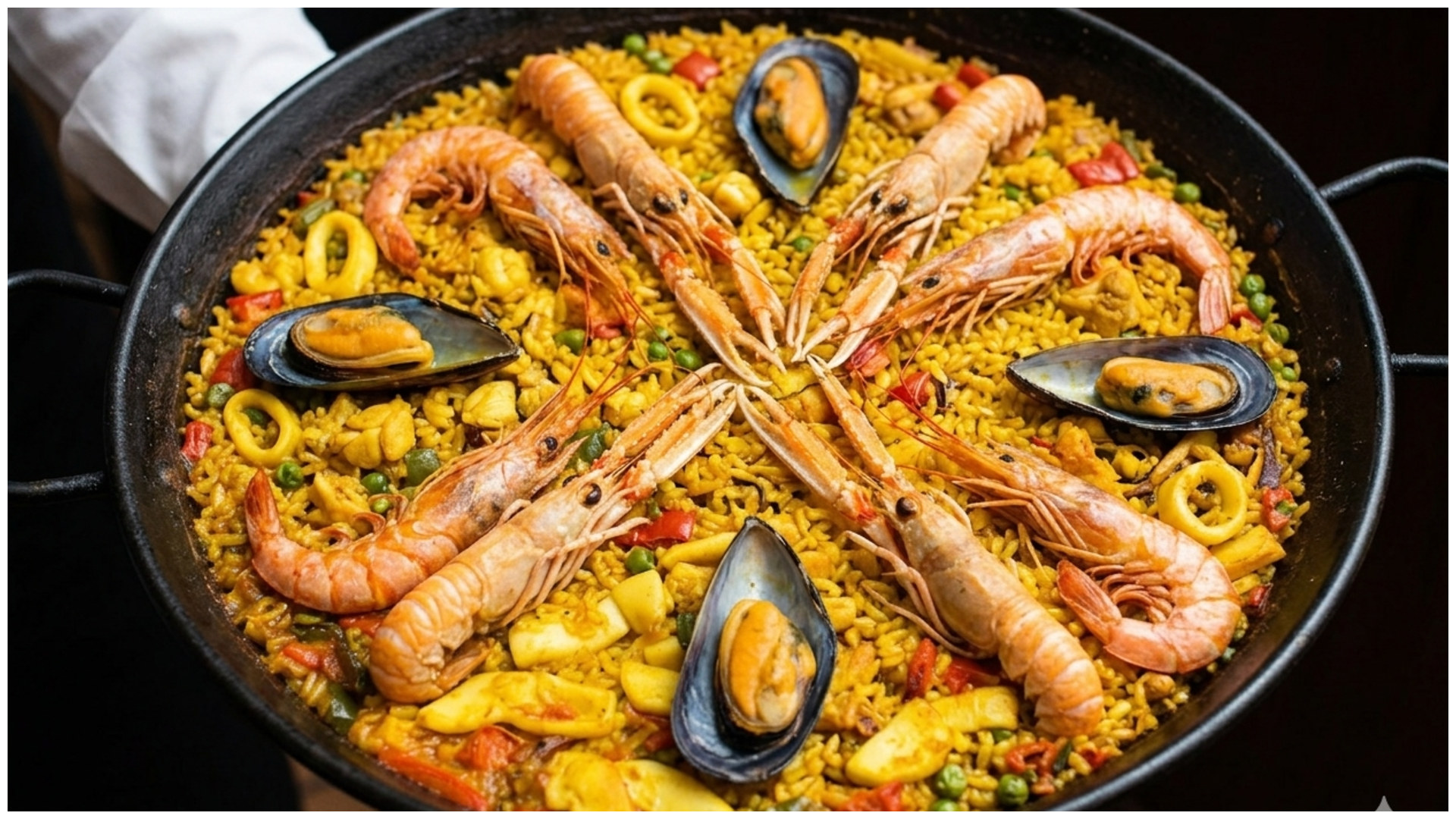
Our Ultimate Valencia Food Guide
Discover the top spots for authentic Paella Valenciana and the best food in Valencia with our comprehensive food guide. Includes queer-friendly bars, local secrets like Fideuà, and must-know tips on siesta hours and budget travel.

New Spain Tourist Rules in 2026: 5 New Laws Every Tourist Should Know
Avoid heavy fines with our guide to Spain’s 2026 tourist regulations. Discover the 5 new laws on beach conduct, alcohol limits, and driving etiquette from Madrid to the Canary Islands.
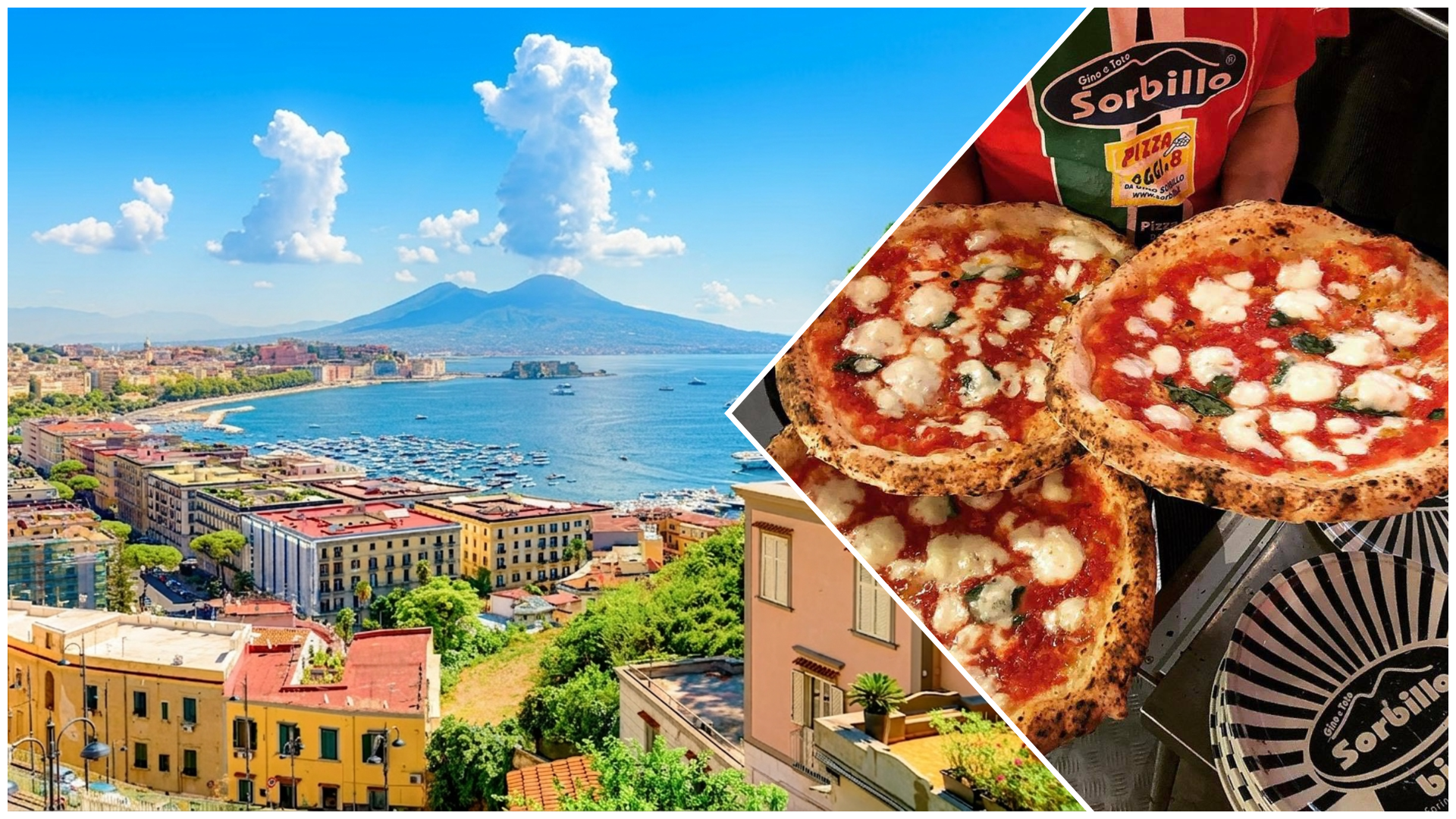
Queer-Friendly Naples Food Guide 2026: From Legendary Pizza to the Best Street Food Secrets
Discover the soul of Naples with our queer-friendly Naples food guide. Journey from the iconic history of Sorbillo’s pizza, through the the vibrant, inclusive spirit of Piazza Bellini. This is your authentic, LGBT-friendly guide to experiencing Italy’s most vibrant city through its unforgettable street food and culture.
References and sources:
Photo credits:
Featured photos: Google Gemini