In this Berlin guide, we will immerse ourselves in the city’s vibrant soul and history. More importantly, we will show you what to do and see there, plus many insightful tips. So, if you want to learn more, please stay with us.

©Getty
Our website includes affiliate links. So, remember that we may receive commissions when you click our links and make purchases. Please read our legal disclaimer document for more information about our Affiliate disclaimer and other disclaimers like the Fair-Use disclaimer.
Why should you visit Berlin?
Berlin (Germany) is a city of remarkable history, vibrant culture, and an energetic, creative spirit. Unlike some other European capitals known for their pristine, old-world charm, Berlin has a gritty, authentic feel that is a direct result of its turbulent past. Berlin is a hub for artists, musicians, and performers from around the globe, giving it a diverse and cutting-edge cultural scene. Berlin’s history is visible on every corner, particularly its role in the 20th century. This makes it an essential destination for anyone interested in World War II and the Cold War. Berlin’s club scene is famous worldwide, particularly for its techno music and liberal, uninhibited atmosphere. The city’s legendary clubs, such as Berghain, are known for their immersive, multi-day parties and “come as you are” attitude. Whether you’re into techno, jazz, or live music, you’ll find a venue that suits your taste. Berlin is a sprawling city, but it feels like a collection of distinct villages, each with its own character. Berlin’s multicultural population means its food scene is incredibly diverse and affordable. From the ubiquitous currywurst to Turkish döner kebabs and Vietnamese pho, you can eat well on the go.
How to get to Berlin?
By Air
The new Berlin Brandenburg Airport (BER) is the main international airport, located about 27 km from the city center. There are direct and connecting flights from various airlines and destinations worldwide. The old airports, Tegel (TXL) and Schönefeld (SXF), are also mentioned, but the new airport is the primary gateway. The most common way to get to Berlin from outside Europe is by flying into Berlin Brandenburg Airport (BER), located about 27 km from the city center. Many international airlines offer direct and connecting flights to Berlin from various destinations around the world. Once you arrive, you can take a train, bus, or taxi to the city. Flying is a popular option, especially with many low-cost carriers offering direct flights to Berlin from major European cities. Airlines like EasyJet and Eurowings operate frequent flights, with tickets often being very affordable.
By Train (From Europe)
Berlin Hauptbahnhof (main train station) is the central hub for rail traffic. The search results list direct daytime international services from many European cities like Amsterdam, Prague, Budapest, Vienna, and Warsaw. There are also overnight trains from Paris, Zurich, and Moscow. For example, a trip from London to Berlin takes about 9 hours with a few changes. Berlin is well-connected by train to the rest of Europe. The main train station, Berlin Hauptbahnhof, is a central hub. You can find direct daytime services from cities such as Amsterdam, Prague, Budapest, and Vienna. There are also overnight trains from Paris and Zurich. A train journey from London to Berlin, for example, typically takes around 9 hours with a few changes.
By Bus (From Europe)
Long-distance bus lines arrive at the Zentraler Omnibusbahnhof Berlin (ZOB) in western Berlin. Buses are described as a popular, cheap, and comfortable option, though often the slowest. Long-distance buses are a budget-friendly option. They arrive at the Zentraler Omnibusbahnhof Berlin (ZOB) in the Charlottenburg district. From there, you can use Berlin’s public transport system (S-Bahn and U-Bahn) to reach the city center.
By Car (From Europe)
Berlin is well-connected by motorways. It’s noted that a special environmental badge is required to drive in the city center’s low-emission zone. Berlin is easily accessible by car, with a comprehensive network of motorways connecting it to other European countries. If you plan to drive, be aware that you will need an environmental badge to enter the city center’s low-emission zone.
How to come from Berlin Airport to a city?
Here are the best ways to get from Berlin Brandenburg Airport (BER) to the city of Berlin:
Public Transportation (Recommended)
This is the most popular and affordable way to travel. The train station for long-distance, regional, and S-Bahn trains is located directly under Terminal 1. A single ticket for zones ABC is required.
- Airport Express (FEX) & Regional Trains: The fastest way to the city center, taking about 30 minutes to Berlin Central Station (Hauptbahnhof). FEX runs every 30 minutes and is supplemented by regional trains (RE8 and RB23) to provide frequent service.
- S-Bahn: Lines S9 and S45 also connect the airport to the city. The S9 goes through major stations like Berlin Central Station and takes about 50 minutes to reach Hauptbahnhof. Both lines run every 20 minutes.
- Buses: Express buses like the X7 and X71 connect the airport to the Rudow U-Bahn (subway) station, which is the last stop on the U7 line. This can be a good option if your destination is on that U-Bahn line.
Taxi & Ride-Sharing
Firstly, taxis are available 24/7 at designated ranks outside Terminal 1. The journey to the city center takes around 30-45 minutes, depending on traffic. The estimated cost is between €55 €65. Ride-sharing services like SIXT ride, Blacklane, and others are also available to book in advance.
Private Car
If you prefer to drive, you can rent a car from one of the major car rental companies located at the airport. The drive to the city center is about 25 km (15.5 miles) and can take around 30 minutes, depending on traffic.
Ticket Information
You will need a ticket for fare zones ABC to travel from the airport to the city center by public transport. The cost is approximately €4.70. You can buy tickets from machines at the train station.
How to get around Berlin?
Getting around Berlin is very easy, thanks to its excellent and integrated public transportation system. The city’s various modes of transport are all part of a single fare system, the VBB (Verkehrsverbund Berlin-Brandenburg), which means one ticket works for all.
Public Transportation
Berlin’s public transport network is extensive, efficient, and reliable. It operates 24/7 on weekends and has night bus services on weekdays.
- U-Bahn (Subway): The subway system is the fastest way to travel short to medium distances, particularly within the city center. U-Bahn lines are marked with a blue “U” symbol.
- S-Bahn (Suburban Train): These trains are marked with a green and white “S“ symbol. They connect the city center to the suburbs and surrounding areas. The S-Bahn ring line (S41/S42) is a popular route that circles the city center.
- Trams (Straßenbahn): Trams mainly serve the eastern parts of Berlin and are a great way to see the city from above ground.
- Buses: The bus network fills in the gaps left by the train and tram lines, reaching almost every corner of the city. Look for special “MetroBus“ lines (M) which run more frequently.
- Ferries: Berlin even has ferries that are part of the public transport system and are included in your ticket.
Tickets & Fares:
- Fare Zones: Berlin is divided into three fare zones: A (city center up to the S-Bahn ring), B (outside the ring to the city limits), and C (surrounding area including Potsdam and Berlin Airport, BER). Most tourist attractions are in zones A and B.
- Ticket Types: You can buy single-trip tickets, 4-trip tickets, or day passes. If you are staying for a few days, a 24-hour ticket or a 7-day ticket for zones AB is often the most convenient and cost-effective choice. There are also special tourist passes like the Berlin WelcomeCard and CityTourCard that include unlimited public transport and discounts at attractions.
- Necessary: You must validate your ticket before you travel. You will find small stamping machines on train platforms and inside buses and trams. Failure to validate your ticket can result in a fine of €60 if you are caught by a plain-clothed inspector.
Other Ways to Get Around
Bicycle Sharing
Berlin is a very bike-friendly city, with numerous bike lanes. Services like Nextbike and Lime allow you to rent bikes using an app. You can locate, unlock, and pay for the bike directly from your smartphone.
Scooter and Moped Sharing
E-scooters and mopeds from companies like TIER, Lime, and Voi are widely available, especially in central areas. These are a great way to cover short distances quickly.
Taxis & Ride-Sharing
Taxis are readily available at designated taxi ranks or by calling a dispatch service. Ride-sharing apps like Free Now, Uber, and Bolt are also very popular. In Berlin, Uber partners with licensed taxi drivers so that you will get a traditional taxi.
Jelbi App
The BVG (Berlin’s public transport company) offers a comprehensive app called “Jelbi.” This app allows you to buy public transport tickets and book rides with various car, scooter, and bike-sharing services all in one place, providing a seamless mobility experience.
Parking in Berlin
Parking in Berlin requires careful planning, especially in the city center. The area within the S-Bahn ring has a low-emission zone. To drive here, your vehicle needs a green environmental badge (Umweltplakette). This badge costs between €5 and €15 and can be bought online or at vehicle inspection centers. You must show your vehicle registration documents to get the badge, which is valid for as long as you own the vehicle. If you drive in the zone without this badge, you may face an €80 fine.
Finding street parking in the city center can be challenging. Most central areas have paid parking zones. Prices usually range from €0.25 to €0.75 per 15 minutes or €1 to €4 per hour. You can pay at parking meters or use apps like Park Now and EasyPark. If you use an app, consider leaving a note on your dashboard about which service you used. In outer districts, you might find free parking. Look for signs that don’t mention paid parking. It’s common for visitors to park for free in these areas and use public transport to reach the city center. In some places, free parking has time limits, so you may need to display a parking disc showing your arrival time.
Parking garages are a secure option, especially for more extended visits. They are located near busy areas, such as major train stations, shopping centers, and tourist spots. Garages charge more than street parking, but they can offer better deals for extended stays, with daily rates around €18. You can often reserve a spot online through services like Parclick or Q-Park. If you’re driving from outside the city, consider using the Park & Ride system. You can park at designated lots on the city outskirts and take public transport into the center. These lots are usually free or very cheap and help you avoid the hassle of city driving and parking costs.
The best things to do and see in Berlin.
Berlin is a city with a rich and complex history, a vibrant arts scene, and a unique atmosphere. Your experience will vary depending on your interests, but here are some of the best things to do and see, categorized for easy planning.

©bundestag.de/Getty
Historical Landmarks
Berlin is a city that wears its history on its sleeve, with countless landmarks and memorials that tell the story of its tumultuous past, from the Prussian era to the Cold War. Here are some of the most significant historical landmarks and sites to visit.
Berlin’s history, particularly from the 20th century, is visible everywhere you go.
Brandenburg Gate (Brandenburger Tor)
Berlin’s most iconic landmark. This neoclassical gate once symbolized the division of Germany and now stands as a powerful symbol of unity and peace. It’s a must-see for any visitor.
The Reichstag Building
Home to the German Parliament, this historic building with its modern glass dome offers a stunning 360-degree view of the city. Entry to the dome is free, but you must register online in advance.
The Berlin Wall Memorial and East Side Gallery
Visit the official Berlin Wall Memorial at Bernauer Strasse to get a solemn and detailed look at the Wall’s history. For a more artistic and colorful view, walk along the East Side Gallery, a 1.3 km stretch of the Wall covered in powerful murals.
Memorial to the Murdered Jews of Europe
This somber and thought-provoking memorial, also known as the Holocaust Memorial, is a field of 2,711 concrete slabs. You can walk through the undulating pathways to experience a sense of disorientation and reflection.
Topography of Terror
Located on the former site of the Gestapo and SS headquarters, this museum provides a chilling and detailed history of Nazi terror. It is an essential, though heavy, experience.
Checkpoint Charlie
The most famous crossing point between East and West Berlin during the Cold War. While the recreated guardhouse is a popular photo op, the nearby Wall Museum (Mauermuseum) tells the powerful stories of people who tried to escape to the West.
Museums & Culture
Berlin is a paradise for museum lovers, with a world-class collection of museums and art galleries.
Museum Island (Museumsinsel)
This small island in the River Spree is a UNESCO World Heritage Site. It has five famous museums. These include the Pergamon Museum, which is currently being renovated, the Neues Museum, where you can see the famous bust of Nefertiti, and the Alte Nationalgalerie.
DDR Museum
An interactive museum that gives you a glimpse into everyday life in East Germany (GDR). You can sit in a Trabant car and open drawers to see artifacts from the communist era.
Jewish Museum Berlin
Housed in a striking building by architect Daniel Libeskind, this museum explores the social, political, and cultural history of Jews in Germany.
Urban Nation Museum for Urban Contemporary Art
A great place for fans of street art and graffiti. This museum and the surrounding neighborhood showcase works from international artists.
Unique Experiences & Fun Activities
- Explore the Neighborhoods: Berlin has many different neighborhoods, each with its unique character. Kreuzberg is known for its alternative, bohemian atmosphere and diverse food options. Friedrichshain is popular for nightlife and the East Side Gallery. Prenzlauer Berg features beautiful pre-war buildings, tree-lined streets, and family-friendly cafes. Mitte is the spot for sightseeing, shopping, and historical sites.
- Walk or Bike Through Tiergarten: This massive urban Park is Berlin’s green lung. It’s perfect for a relaxing stroll, a bike ride, or a picnic.
- Visit Tempelhofer Feld: This former airport has been transformed into a massive public park. You can walk, bike, or rollerblade down the old runways, or relax on the grass.
- Mauerpark Flea Market: If you’re in Berlin on a Sunday, head to Mauerpark for one of the city’s most famous flea markets. It’s a great place to find vintage items and listen to the famous open-air karaoke session.
- Ride the U-Bahn: Berlin’s subway system is not just for transport; it’s a great way to see the city. The U1 line offers views of the city as it travels over the famous Oberbaum Bridge.
Visit the Berlin TV Tower (Fernsehturm): Located at Alexanderplatz, the TV Tower is the tallest building in Germany. You can take an elevator to the observation deck for a spectacular panoramic view of the city.
Partying in Berlin
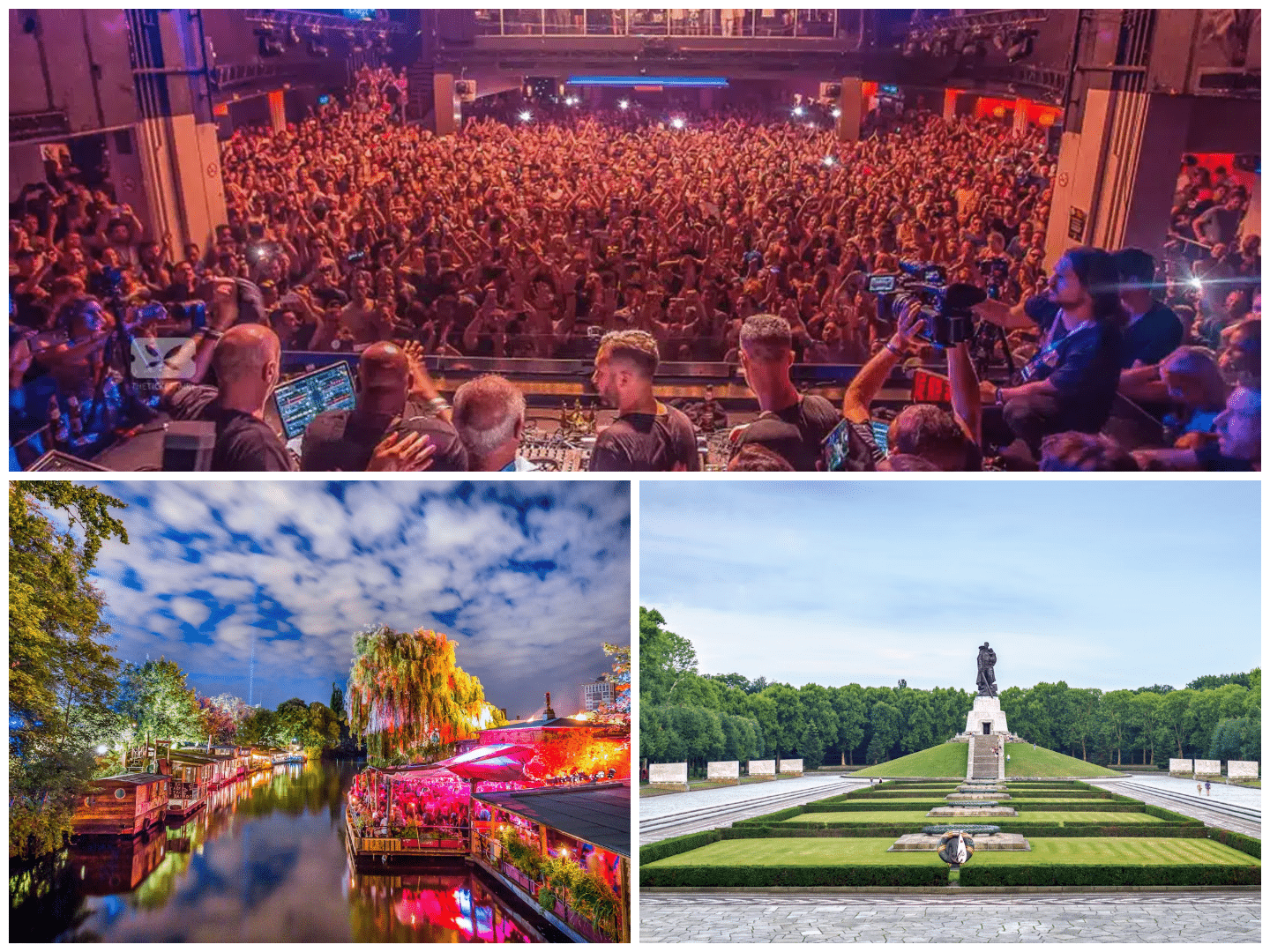
Berlin’s club scene is world-famous, particularly for its techno music, marathon parties, and a general ethos of freedom and self-expression. To have the best experience, it helps to know which neighborhoods to go to, what clubs to check out, and the unwritten rules of clubbing.
©Shutterstock
Top Clubbing Neighborhoods
The heart of Berlin’s nightlife is concentrated in two central districts, with others offering unique vibes.
Friedrichshain
This is the undisputed “Mecca of techno.“ Located in former East Berlin, this area is home to some of the most famous clubs in the world. Look for venues near the Spree River and the RAW-Gelände, a former train repair yard turned into a hub of clubs, bars, and art spaces.
Kreuzberg
Bordering Friedrichshain, this gritty and bohemian neighborhood is known for its wide selection of clubs, from massive warehouses to smaller, more intimate venues. Oranienstrasse is an excellent street for bar hopping before heading to a club.
Prenzlauer Berg
Known for its more relaxed, bohemian feel, this area is better for bar-hopping and cozy lounges. You’ll find a younger professional crowd here, with a few smaller clubs playing nu-disco and house music.
Famous Clubs to Check Out
Berlin’s clubs are often located in repurposed industrial buildings, adding to their unique, underground feel.
- Berghain: Arguably the most famous techno club in the world. Housed in a former power plant, it is known for its intense sound system, dark, cathartic atmosphere, and a notoriously strict door policy. It often runs from Friday night until Monday morning. There are two floors: Berghain for hard techno and Panorama Bar for house and more melodic beats.
- Tresor: A historic institution in Berlin’s techno scene, Tresor was founded in 1991 and helped bridge the gap between East and West Berlin’s youth. The club is located in a disused power plant, with a raw, bunker-like atmosphere and an uncompromising dedication to techno.
- Watergate: A riverside club with a more modern, sleek aesthetic. It’s famous for its two dance floors with impressive LED lighting and a floating deck on the Spree River, offering beautiful views of the Oberbaum Bridge.
- Sisyphos: Located a bit further out, this club in a former dog biscuit factory feels like a mini-festival. It features vast indoor and outdoor areas, including a “lake“ and different dance floors, and is known for its long weekend-long parties.
- KitKatClub: A legendary sex and techno club known for its sexually liberal and uninhibited atmosphere. It has a fetish dress code on many nights, so it’s essential to check the theme before you go.
Essential Clubbing Etiquette & Tips
- The Door Policy is Strict: Don’t take rejection personally. Bouncers often turn people away for reasons that seem arbitrary. Go in small groups (2-3 people), don’t be loud or drunk in the queue, and don’t use your phone. It also helps to have an idea of who is DJing that night.
- Dress Code: Less is More: Forget fancy outfits. Berlin clubbing culture values individuality and comfort. The most common attire is all-black, casual, and practical for dancing for hours. Jeans and a t-shirt are often acceptable, but avoid anything that looks too “dressy“ or “touristy.”
- No Photos or Phones: Most clubs have a strict “no photos“ policy. Many will place a sticker over your phone’s camera. The goal is to create a safe space where people can be free without worrying about being recorded. Respect this rule, and keep your phone in your pocket or bag.
- Go Late (Very Late): The party in Berlin starts very late. It’s not uncommon for people to show up at a club at 2 or 3 a.m. Weekends are the best time to go, with many clubs opening on Friday night and not closing until Monday morning.
- Bring Cash: Many clubs in Berlin are cash-only, and even those that accept cards might have a minimum spend. Bring enough cash for your entry fee, drinks, and the coat check.
- Pace Yourself: The parties can last for days. Stay hydrated, take breaks, and listen to your body.
Best day trips from Berlin
Berlin’s central location makes it an excellent base for exploring the surrounding state of Brandenburg and other fascinating cities in Germany. From grand palaces to solemn historical sites and unique natural landscapes, here are some of the best day trips you can take from Berlin.

©Handelsblatt/urlaubsguru.de
Potsdam
Potsdam is a short trip from Berlin. It is known for its beautiful palaces and gardens, which were summer homes for the Prussian kings. People often call it the “Versailles of Germany.“ The main attraction is the Sanssouci Palace, the former summer residence of Frederick the Great. The palace and its extensive terraced vineyards and gardens are part of a UNESCO World Heritage site.
You can also visit the New Palace, the historic Dutch Quarter with its cute red-brick houses, and Filmpark Babelsberg. You can easily get to Potsdam from Berlin using public transport. Take the S-Bahn (S7) or a regional train from Berlin Central Station (Hauptbahnhof). The trip takes about 25 to 45 minutes. Make sure to buy a ticket for zones ABC.
Sachsenhausen Concentration Camp Memorial
Visiting the former Nazi concentration camp in Oranienburg is an essential experience for anyone interested in World War II. The site serves as a memorial and museum. You can explore the remains of the camp, including the barracks, the infirmary, and the execution site. The museum has exhibits that tell the stories of the prisoners and the terrible things that happened there.
To reach Oranienburg, take the S-Bahn (S1) or the regional train (RE5) from Berlin. The trip takes about 45 minutes. From Oranienburg station, it’s a 30-minute walk to the memorial, or you can take a local bus. Guided tours are also available from Berlin.
Spreewald
The Spreewald (Spree Forest) is a UNESCO biosphere reserve just an hour south of Berlin, featuring beautiful canals, forests, and villages. Popular activities include punting tours on traditional wooden boats guided by locals, as well as kayaking or canoeing independently. Be sure to try the local specialty, Spreewald pickles. The main town for tours and rentals is Lübbenau, accessible via a direct regional train from Berlin Central Station (Hauptbahnhof), taking a little over an hour.
Dresden
Dresden, known as “Florence on the Elbe,“ is famous for its beautiful Baroque buildings and art collections. The city was heavily damaged in World War II, but has been carefully rebuilt.
One highlight is the Frauenkirche (Church of Our Lady), a stunning architectural gem. You can also visit the Zwinger Palace, the Semperoper (opera house), and the Dresden Royal Palace, which holds the impressive Green Vault collection.
Dresden is easy to reach by a direct train from Berlin Central Station. The trip takes just under two hours, making it an excellent option for a day trip.
Hamburg
Hamburg offers a unique urban experience with its rich maritime history, modern buildings, and busy port. You can explore Speicherstadt, the historic Warehouse District, which is a UNESCO World Heritage site. Don’t miss the Elbphilharmonie, a beautiful concert hall by the water, or take a tour of the harbor. Although Hamburg is a bit farther away, it is still a good option for a day trip. You can catch a direct high-speed train from Berlin Central Station and reach Hamburg in just over two hours.
When to go to Berlin?
The best time to visit Berlin largely depends on your priorities, as each season offers a different experience. However, most travelers and locals agree that the late spring to early autumn months are the most pleasant.
Summer (June – August): The Peak Season
This is the most popular time to visit, and for good reason. The weather is warm and sunny, with average temperatures in the 20s °C (70s °F), sometimes getting hotter. Extended daylight hours, a vibrant outdoor culture with countless beer gardens, parks, and lakes filled with people. The city is lively with open-air concerts, street festivals, and a thriving nightlife scene with many open-air clubs. This is the high season, so tourist crowds are at their peak, and prices for flights and accommodation are at their highest. Attractions will have longer lines.
Spring (March – May) & Autumn (September – October): The Shoulder Seasons
These months offer an outstanding balance of pleasant weather and fewer crowds, making them an excellent choice for a visit. The weather is mild and comfortable for walking and sightseeing. In spring, the city’s parks and gardens bloom with flowers. In autumn, the foliage is beautiful, and the city’s cultural calendar is packed. Prices are generally more affordable than in summer.
The weather can be unpredictable, with a chance of rain, especially in March and April. The days are shorter than in summer.
Key Events:
- Spring: Berlin Half Marathon (April), Carnival of Cultures (late May).
- Autumn: Berlin Marathon (September), Festival of Lights (October), which illuminates many of the city’s landmarks.
Winter (November – February): The Low Season
Berlin’s winters are cold, with temperatures often hovering around freezing, and days are short. However, this season has its own unique charm. This is the cheapest time to visit, with the lowest prices for flights and hotels. Tourist crowds are minimal (except for the Christmas season), so you’ll have museums and indoor attractions to yourself. The city has a cozy, authentic feel.
The weather is cold, gray, and often wet. Many outdoor activities are not possible, and some attractions may have limited hours.
Key Events:
- December: Berlin’s famous Christmas Markets (Weihnachtsmärkte) are a significant draw. The city is decorated with festive lights and offers a magical atmosphere.
- February: The Berlinale International Film Festival attracts cinephiles from all over the world.
How long should you stay in Berlin?
The ideal length of a stay in Berlin depends on your interests and travel pace. The city is sprawling and packed with history, culture, and unique neighborhoods, so a quick visit will only scratch the surface.
Here’s a breakdown to help you decide how long to stay:
3 Days: The Classic City Break
Three days is the minimum recommended time to see Berlin’s most important landmarks and get a feel for the city’s vibe. This is enough time for a fast-paced overview.
- Day 1: Focus on historical Berlin in the central Mitte district. See the Brandenburg Gate, the Reichstag Building, the Holocaust Memorial, and the Berlin Wall Memorial at Bernauer Strasse.
- Day 2: Dive into Cold War history and East Berlin culture. Visit Checkpoint Charlie, the Topography of Terror, and the East Side Gallery. Then, explore a creative neighborhood like Kreuzberg or Friedrichshain.
- Day 3: Explore the city’s rich arts scene on Museum Island and visit the beautiful Berlin Cathedral. You can also venture into a different part of the city, like the elegant Charlottenburg Palace or a park like Tiergarten.
4 to 5 Days: The In-Depth Exploration
With a few more days, you can slow down, dive deeper into the city’s history, and explore more of its diverse neighborhoods. This is often considered the “sweet spot“ for a first-time visit.
- Day 4: Take a day trip. The most popular options are Potsdam, with its stunning Sanssouci Palace and gardens, or the powerful Sachsenhausen Concentration Camp Memorial.
- Day 5: Dedicate a day to one of Berlin’s unique districts, like the hipster-friendly Prenzlauer Berg with its beautiful streets and local markets, or the urban sprawl of Tempelhofer Feld, a former airport-turned-park.
7 Days or More: The Full Immersion
If you have a week or more, you can experience Berlin like a local and add multiple day trips. This allows you to visit more niche museums, explore all the different neighborhoods, and enjoy the city’s laid-back atmosphere.
- You can include both the Potsdam and Sachsenhausen day trips.
- You’ll have time to explore the city’s extensive parks like Tiergarten or Volkspark Friedrichshain.
- You can dedicate a day to one of the nearby cities like Dresden or Hamburg, which are easily accessible by train.
- You can also explore more specific interests, such as the city’s vibrant nightlife, culinary scene, or lesser-known museums.
The best areas to stay in Berlin
Berlin is a sprawling city with a distinct character in each of its neighborhoods. The best area to stay depends on your travel style, budget, and what you want to experience. Here’s a breakdown of the most popular places to help you decide.
Mitte
Best for First-Time Visitors and Sightseeing Mitte, which means “middle,” is the heart of Berlin, both historically and geographically. It is the best neighborhood for sightseeing because many major landmarks are within walking distance. Mitte has a mix of modern and historical features. The area is polished, cosmopolitan, and more upscale than other neighborhoods. Key sites include Brandenburg Gate, Museum Island, the Reichstag Building, and Alexanderplatz with its TV Tower. It also has excellent restaurants, shops, and transport connections. However, it can be more expensive and lacks the gritty, “alternative” feel that many people associate with Berlin.
Friedrichshain
Best for Nightlife and Young Travelers. Friedrichshain, located in former East Berlin, has a youthful and artistic vibe. It is known for being the center of Berlin’s famous club scene.
The area is vibrant and alternative, making it a great place to see street art and explore the creative side of Berlin. You can visit the East Side Gallery, which is the longest remaining part of the Berlin Wall, and the RAW-Gelände, a former train yard filled with clubs, bars, and art. The famous Berghain nightclub is also here.
Be aware that it can be noisy due to nightlife, and some parts may seem rough. Friedrichshain is farther from the main historical sites in Mitte, but it is well-connected by public transport.
Kreuzberg
Best for Culture, Food, and a “Local“ Feel. Kreuzberg is known for its diversity and vibrant atmosphere. It has a lot of street art and an alternative scene. This area is popular for those who want to experience Berlin’s multicultural life.
Kreuzberg is bohemian, diverse, and lively. You can find quirky cafes, independent shops, and a bustling food scene with many international cuisines.
Visit the Turkish Market (Tuesdays and Fridays), Markthalle Neun (a well-known street food market), and many bars, clubs, and beer gardens. Kreuzberg is also home to Tempelhofer Feld, a park that used to be an airport.
The neighborhood can be crowded and chaotic. Although there is good public transport, it is not as central as Mitte.
Prenzlauer Berg
Best for Families and a Relaxed Vibe. Prenzlauer Berg used to be a bohemian artists’ area, but now it is a family-friendly neighborhood that has changed a lot. It is quiet, charming, and relaxed. The streets are lined with trees and renovated pre-war buildings. You can find playgrounds and organic cafes here.
Kollwitzplatz and Helmholtzplatz squares are full of cafes and shops. Mauerpark is popular for its Sunday flea market and outdoor karaoke.
But this neighborhood is a bit farther from the main tourist spots. A younger, more alternative crowd might think it’s too quiet or too upscale.
Charlottenburg
Best for Luxury, Shopping, and Elegance. Charlottenburg is an upscale residential area located in former West Berlin. Moreover, it offers a more traditional and quieter atmosphere compared to the trendy eastern neighborhoods.
The area is sophisticated, calm, and well-kept. Key attractions include Charlottenburg Palace (the largest palace in Berlin), the Kurfürstendamm (a major shopping street), and the Berlin Zoo. Charlottenburg also features many high-end hotels, boutiques, and art galleries.
It is not as central for sightseeing as Mitte, and some people may find its more formal atmosphere feels less “authentically Berlin.”
How can I find good budget accommodation in Berlin?
To find good budget accommodation in Berlin, I recommend looking at hostels and budget hotels, particularly in neighborhoods known for being more affordable. Based on our search, here are some options:
Hostels and Hotels
- MEININGER Hotel Berlin Alexanderplatz: This hotel offers a mix of hotel comfort and hostel vibes, with bright rooms and dorms, a shared kitchen, and a cafe/bar. Nightly prices are around €34.
- Sunflower Hostel Berlin: A trendy hostel in the Friedrichshain neighborhood with bright dorms and private rooms, a bar with a foosball table, and nightly prices around €35.
- a&o Hostel Berlin Mitte: This is an unfussy hostel in the Mitte area with complimentary Wi-Fi and common areas, with prices starting from €32 per night.
- Industriepalast Hostel: Located in the lively Friedrichshain area, this hostel offers simple dorms and private rooms, a laid-back bar, and a terrace. Nightly prices are around €35.
- Three Little Pigs Hostel Berlin: This is a relaxed hostel with free Wi-Fi, pool tables, and bike rentals, with nightly prices around €36.
Neighborhoods to Consider
When searching for budget-friendly accommodation, consider these neighborhoods:
- Friedrichshain: Known for its vibrant nightlife and youthful energy, this area is an excellent option for budget-conscious travelers.
- Neukölln: A diverse urban setting that offers a good blend of budget options.
- Mitte: While central, you can still find budget-friendly hostels and hotels in this neighborhood, putting you within walking distance of many major attractions.
General Tips for Booking
- Book a hostel: Hostels are generally cheaper than hotels and often have dorms as well as private rooms, making them a good option for travelers on a tight budget.
- Travel during the off-season: According to my research, January is the cheapest month for hostels, while prices are highest in August. Sunday is often the cheapest day of the week to book a hotel.
- Use hotel comparison websites: Websites like Kayak and Hotels.com are great for comparing prices from multiple sites to ensure you get the best deal.
- Look for special deals: Some hotel chains, like a&o Hostels and MEININGER Hotels, offer discounts for joining their free clubs or for families.
Which is more interesting, West Berlin or East Berlin
When deciding between former East and West Berlin, it’s not a matter of one being “better“ but instead of what kind of experience you’re looking for. The two halves of the city have distinct vibes, historical landmarks, and cultural scenes that still reflect their different pasts.
Here’s a breakdown to help you decide which side appeals to you more.
Former East Berlin
East Berlin is now seen as the more interesting half of the city for many tourists. It has a lively and creative atmosphere that reflects the true spirit of Berlin. You can see the history of the GDR and communism here, with famous places like the TV Tower and the socialist-style buildings on Karl-Marx-Allee.
East Berlin holds the East Side Gallery, which is the longest remaining section of the Berlin Wall, along with the DDR Museum and the former Stasi prison at Hohenschönhausen Memorial. This area is known for its artistic, liberal, and alternative vibe. It is at the heart of Berlin’s famous techno scene, housing renowned clubs like Berghain. The neighborhoods of Friedrichshain, Kreuzberg, and Prenzlauer Berg are well-known for their nightlife, street art, and bohemian feel.
Overall, East Berlin feels gritty, creative, and authentic, showcasing a mix of history, art, and a thriving subculture.
Former West Berlin
West Berlin showcases Western capitalism and has a more upscale, commercial, and refined character today.
East Berlin has the Wall, but West Berlin features its own vital sites. The Kaiser Wilhelm Memorial Church is a preserved ruin from WWII and serves as a strong anti-war memorial. The Topography of Terror museum, located at the former Gestapo and SS headquarters, is a key historical site. The Brandenburg Gate and the Reichstag Building sit near the former border, symbolizing both division and reunification.
West Berlin is home to elegant neighborhoods like Charlottenburg, where you’ll find the beautiful Charlottenburg Palace and gardens. It is also the main shopping area, known for the famous Kurfürstendamm boulevard and the luxurious KaDeWe department store. The city offers a traditional arts and culture scene, including the Berlin Zoo and the Philharmonie.
Vibe: Posh, cosmopolitan, and commercial. The infrastructure is well-maintained, the streets are cleaner, and the overall atmosphere is more polished and formal.
Conclusion
For a first-time visitor, East Berlin is generally more interesting. It’s home to the most visible remnants of the Wall, the most iconic historical sites, and the creative spirit that has made Berlin a global hub for art and nightlife.
However, a great way to experience the city is to explore both sides. The two former halves are now a single, unified city, and many key sites like the Brandenburg Gate are right on the former border, bridging the two distinct worlds.
Note: If you liked this guide, you might also enjoy our guide about Hamburg.
Niche itineraries in Berlin
Beyond the mainstream landmarks, Berlin offers a wealth of niche itineraries that cater to specific interests, from underground art to a unique music history. Here are some of the best ways to experience the city’s alternative side.
The Alternative & Street Art Itinerary
This itinerary focuses on the counter-culture and urban creativity that defines modern Berlin.
- Friedrichshain and Kreuzberg: Start your tour in these two iconic districts, which are canvases for some of the world’s best street art. You can join a guided tour (many are run by local artists) to see everything from massive murals to hidden paste-ups and stencils.
- The East Side Gallery: While famous, it’s the perfect starting point to understand the historical context of Berlin’s street art scene.
- Urban Nation Museum for Urban Contemporary Art: Dive deeper into the world of urban art at this dedicated museum.
- Explore Unique Spots: Discover hidden gems like Holzmarkt 25, an outdoor creative hub and Market on the banks of the Spree River, or the Teufelsberg, a former US listening station on an artificial hill that’s now covered in graffiti. Don’t miss the Teledisko, a tiny disco inside an old phone booth, for a fun, quirky experience.
The Music & Subculture Itinerary
This route is for fans of electronic music, punk, and the artists who were shaped by Berlin’s unique vibe.
- The Hansa Studios: Take a tour of these legendary studios where artists like David Bowie, U2, and Depeche Mode recorded. Many tours focus specifically on David Bowie’s time in 1970s West Berlin, visiting his former home and the clubs he frequented.
- Club Culture: Explore the city’s world-famous nightlife. A walking tour can take you past legendary clubs and dive bars in Prenzlauer Berg and Mitte, showing you the locations of former squats and punk haunts.
- The Ramones Museum: A must-visit for punk rock fans. This museum houses an impressive collection of memorabilia from the iconic band, celebrating their influence on Berlin’s music scene.
- Attend a Free Lunchtime Concert: For a more classical experience, the Berlin Philharmonic holds free weekly chamber concerts on Tuesdays at 1 p.m. (outside of the summer months).
The Culinary & Drink Itinerary
Beyond bratwurst and beer, Berlin has a diverse and dynamic food scene that reflects its multicultural population.
- Markthalle Neun: A historic market hall in Kreuzberg that’s a foodie paradise. Go on a Thursday for “Street Food Thursday,“ where you can sample a wide variety of cuisines from local vendors.
- Craft Beer Scene: Berlin is a haven for craft beer lovers. Take a guided craft beer tour in neighborhoods like Kreuzberg to taste local brews and explore independent microbreweries.
- Turkish Food in Kreuzberg: For a taste of “Little Istanbul,“ explore the area around Maybachufer for some of the best Turkish food in the city, including authentic kebabs, baklava, and street food.
- Vegan Adventure: Berlin is a leader in vegan cuisine. Take a dedicated vegan food tour to discover local favorites and hidden plant-based gems.
Health and safety in Berlin
Berlin is considered a very safe city, with a generally low risk for tourists. However, like any central metropolitan area, it is essential to be aware of your surroundings and take some basic precautions.
General Safety Tips
Pickpocketing: This is the most common crime affecting tourists. Be particularly vigilant in crowded areas such as public transportation (U-Bahn, S-Bahn), major train stations, and popular tourist spots like Alexanderplatz and Kurfürstendamm. Keep valuables in a secure, inside pocket or a cross-body bag.
Scams: Be cautious of common scams. “Shell games“ are known to operate in tourist-heavy areas. Also, be aware of fake police officers who may approach you to “inspect“ your money or credit cards. Always ask for official ID and never hand over your wallet.
At Night: While Berlin is generally safe at night, it’s wise to stay alert. Avoid walking alone in dark, isolated parks. The public transport system runs 24/7 on weekends, but if you are exhausted, a taxi is the safest option.
Bike Theft: If you rent a bicycle, be sure to use a high-quality lock. Bike theft is common.
No-Go Areas: Berlin does not have “no-go zones“ for tourists. However, some neighborhoods may have a higher rate of petty crime, so it’s always smart to be cautious, especially at night.
Health and Healthcare
Germany has an excellent healthcare system. As a tourist, you can access medical services, but it’s crucial to understand how it works and have travel insurance.
- Healthcare: The German healthcare system is excellent. Before your trip, make sure you have health insurance that covers costs abroad.
- Emergency numbers: In Germany, the emergency numbers are 112 (ambulance, fire department) and 110 (police).
- Drinking water: Tap water is safe to drink.
- Menus and allergies: Most restaurants indicate allergens, but it’s always good to point out any allergies you may have.
- Sun protection: Regardless of the season, using sunscreen is advisable, especially if you are outdoors for extended periods.
- Emergency Numbers: Police: 110, Medical Emergencies & Fire: 112 (This is the standard emergency number across Europe and can be used on any phone, including international mobile phones).
Pharmacies (Apotheken): Pharmacies are marked with a large, red “A.“ They sell both over-the-counter and prescription medications. Note that some medications that are over-the-counter in other countries, such as antibiotics, require a prescription in Germany. Pharmacies have a rotating “emergency“ service, so there is always at least one open 24/7 in each area. You can find the nearest one posted in the window of any pharmacy.
Healthcare for Tourists:
- EU Citizens: If you are a citizen of an EU country, you can use your European Health Insurance Card (EHIC) to receive medical treatment in the public healthcare system for free or at a low cost.
- Non-EU Citizens: You will likely need to pay for your treatment upfront and then be reimbursed by your travel insurance. It is highly recommended to have comprehensive travel insurance that covers medical costs.
- Non-Emergency Care: For non-life-threatening issues, you can call 116 117 to find a doctor on duty who can assist you.
General Tips for Traveling to Berlin as a Solo Traveler and LGBT Traveler
Berlin is considered one of the safest cities in Europe, especially for women and LGBT travelers. Nevertheless, it’s always advisable to follow basic safety tips, as you would in any other large city.
Safety Tips for All Solo Travelers:
- Be aware of your surroundings: As in any major city, be mindful of pickpockets, especially in busy locations such as public transport, tourist attractions, and major stations.
- Public transport: Berlin’s public transport is very efficient and safe, even late at night. However, be cautious in empty carriages or poorly lit stations.
- Locals: Berliners are generally open and friendly, but they tend to have a more reserved demeanor. Do not interpret their reservedness as unfriendliness.
- Trust your instinct: If you don’t feel safe somewhere, remove yourself from the situation.
- Stay in safe neighborhoods: Although Berlin is generally safe, for a more relaxed trip, choose accommodation in more established tourist-friendly neighborhoods such as Mitte, Prenzlauer Berg, Friedrichshain, or Charlottenburg.
Tips for LGBT Travelers:
- Safety and Acceptance: Berlin is one of the most tolerant and open capitals in the world. General acceptance is high, and discrimination is rare. However, as anywhere, incidents can occur, so be cautious in less touristy and remote areas of the city.
- LGBT-friendly neighborhoods: Neighborhoods like Schöneberg, Kreuzberg, and Neukölln are historically known for their vibrant LGBT+ scene. You will feel particularly welcome in these areas.
- Public Displays of Affection (PDA): In tourist areas and LGBT-friendly neighborhoods, public displays of affection between same-sex couples are completely standard and accepted.
- Nightlife: Berlin is famous for its nightlife, which is highly open to everyone. There are many bars, clubs, and events specifically catering to the LGBT community.
Note: If you want to learn more about The Gay Berlin, we recommend reading our related article.
Take a look at
Our Paris Guide
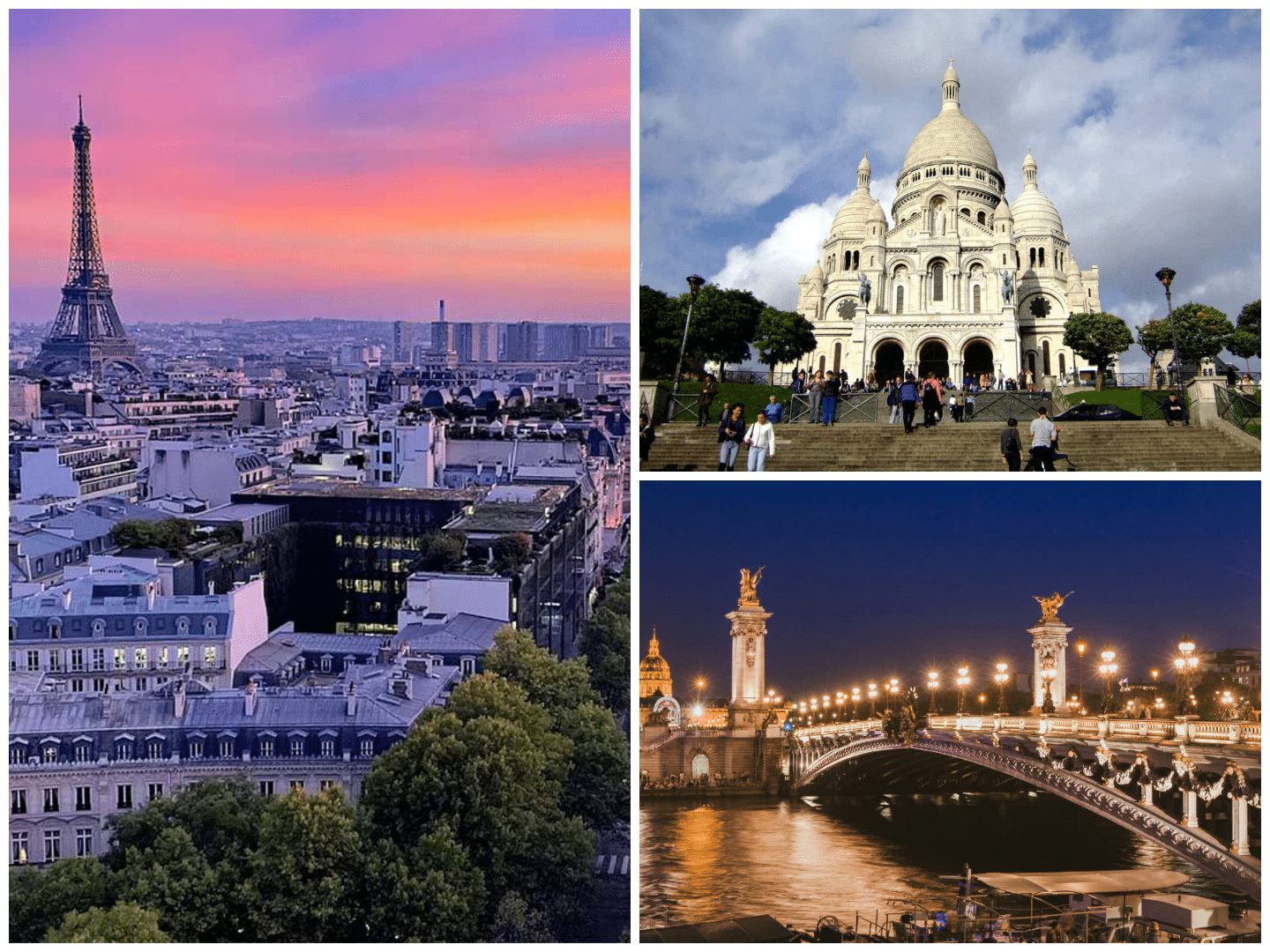
In this Paris guide, we will show you how to plan your trip to this magnificent city, what to do
Our Vienna Guide
Have you ever wondered why you should visit Vienna, the Austrian capital, and what is so special about it? If

The Definitive Gay Budapest Guide 2026: Saunas, Bars & Local Secrets
Covering Budapest gay nightlife, top bars, and where to stay for gay travelers with our Definitive Gay Budapest Guide – plan your perfect LGBTQ+ trip now!
References and sources:
Photo credits:
Feature photo credits: ©Getty